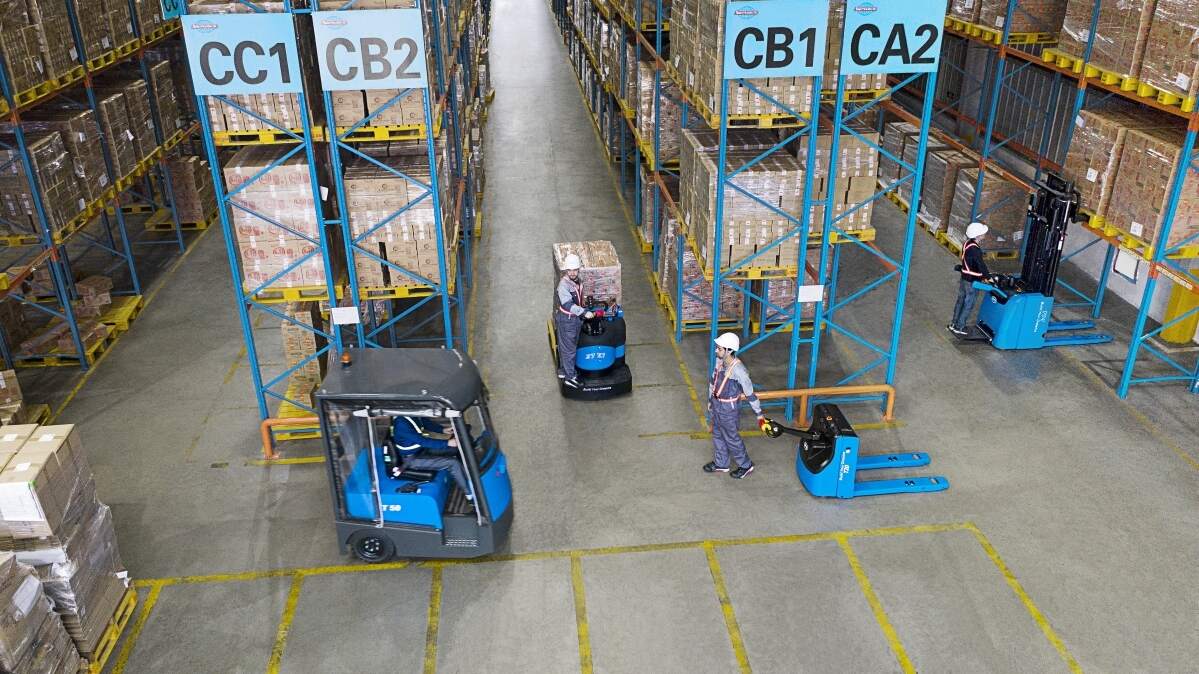
For businesses involved in logistics, warehousing, or material handling, choosing the right electric forklift is a critical decision that directly impacts operational efficiency and long-term cost management. With a diverse range of brands available in the market, understanding the key characteristics of different brand categories can help enterprises align their choices with specific operational needs, budget constraints, and sustainability goals.
One category of electric forklift brands focuses on cost-effectiveness without compromising basic functionality. These brands typically offer models designed for light to medium-duty applications, such as small-scale warehousing or retail inventory management. Their offerings often come with standard safety features like anti-slip platforms and emergency stop systems, along with reliable lead-acid battery performance that meets daily operational demands. For businesses with limited budgets or occasional material handling requirements, these brands provide a practical, no-frills solution that balances affordability and utility.
Another set of brands prioritizes high-performance capabilities, catering to heavy-duty operations like large-scale manufacturing facilities, port logistics, or construction sites. These models are engineered with robust steel frames, powerful motors, and extended-range lithium-ion batteries to handle heavy loads and continuous shift operations. They may also integrate smart technologies such as telematics for real-time fleet monitoring, load weight sensors, and automated navigation features, which can optimize workflow efficiency and reduce long-term maintenance costs through predictive diagnostics.
Brands focusing on sustainability and energy efficiency are gaining traction among businesses aiming to reduce their carbon footprint and adhere to green operation standards. These electric forklifts are equipped with cutting-edge battery technologies that minimize energy consumption and reduce charging time significantly. Some models also use recyclable materials in their construction and offer regenerative braking systems that convert kinetic energy back into battery power, further enhancing energy efficiency. For enterprises with strong corporate social responsibility goals, these brands align their material handling operations with environmental objectives.
Additionally, there are brands that distinguish themselves through comprehensive after-sales service and support. This includes timely on-site maintenance, readily available replacement parts, and professional training programs for forklift operators. For businesses that rely heavily on continuous material handling operations, reliable service can minimize unplanned downtime and ensure consistent productivity. These brands often prioritize customer retention, offering customized support packages tailored to specific business sizes and operational frequencies.
By objectively evaluating these different brand categories based on operational requirements, budget, sustainability targets, and service needs, businesses can make a well-informed decision when selecting an electric forklift partner. It is essential to conduct thorough research, request product demonstrations, and consider long-term operational costs rather than just upfront purchase prices to ensure the chosen brand meets all specific business needs.