Forklifts are indispensable tools in modern warehouses, streamlining material handling operations and boosting efficiency. However, their widespread use also brings inherent risks, with forklift accidents leading to injuries, property damage, and operational disruptions. Understanding the root causes of these incidents is the first step toward creating a safer workplace.
One of the primary triggers of warehouse forklift accidents is inadequate operator training. Many operators only receive basic instruction on how to operate the vehicle, lacking comprehensive knowledge of safety protocols, load balancing, and emergency response procedures. Without proper training, operators may misjudge load capacities, fail to navigate narrow spaces safely, or react incorrectly to unexpected obstacles, increasing the likelihood of collisions or tip-overs.
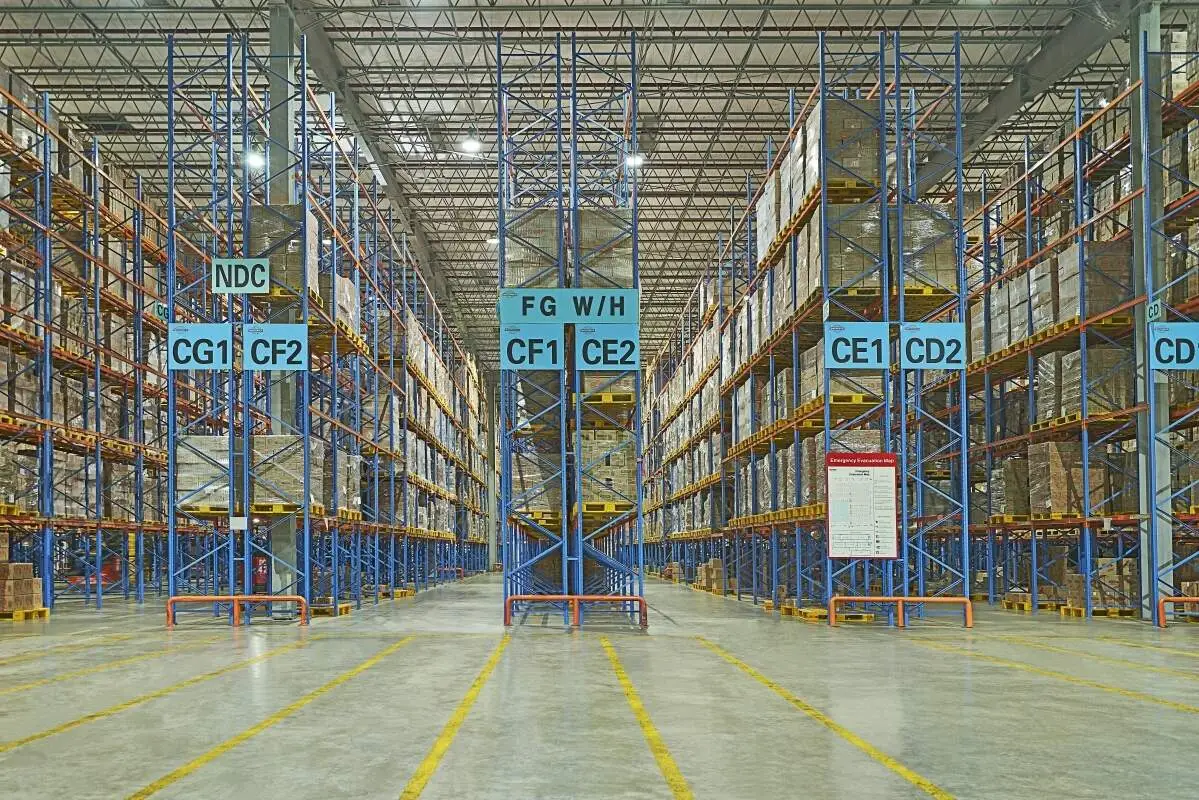
Poor warehouse environment conditions also contribute significantly to forklift accidents. Cluttered aisles, obstructed visibility due to stacked goods, and insufficient lighting create hazardous operating environments. Narrow passageways force operators to maneuver in tight spaces, raising the risk of collisions with racks, other vehicles, or pedestrians. Additionally, uneven floor surfaces or wet areas can cause forklifts to skid, leading to loss of control.
Neglected equipment maintenance is another key factor. Forklifts undergo frequent use, which can wear down critical components like brakes, tires, and steering systems. Failure to conduct regular inspections and maintenance means potential issues go unaddressed, increasing the chance of mechanical failures during operation. A faulty brake system, for example, can prevent an operator from stopping in time to avoid an accident.
Lack of effective management oversight further exacerbates these risks. When warehouses prioritize speed over safety, operators may be pressured to work at unsafe speeds or handle oversized loads. Inconsistent enforcement of safety rules, such as pedestrian-forklift separation policies, also creates confusion and increases accident potential.
To address these triggers, several practical improvement ideas can be implemented. First, enhance comprehensive operator training programs that cover not only basic operation but also safety regulations, load handling best practices, and emergency drills. Regular refresher courses can ensure operators stay updated on the latest safety standards.
Optimizing the warehouse layout is equally important. Widening aisles, installing clear signage, and ensuring proper lighting can improve visibility and maneuverability. Designating separate pedestrian zones and using warning systems to alert workers of approaching forklifts can reduce collision risks.
Implementing rigorous equipment maintenance protocols is crucial as well. Establish a schedule for daily pre-operation checks and regular professional inspections. Keeping detailed maintenance records can help track wear and tear, allowing for timely repairs before issues escalate.
Finally, strengthen management oversight by developing clear safety policies and enforcing them consistently. Encourage a culture of safety where employees feel comfortable reporting hazards or near-miss incidents. Providing adequate rest breaks can also prevent operator fatigue, which is a common contributor to accidents.
By addressing these key triggers and implementing targeted improvement strategies, warehouses can significantly reduce the occurrence of forklift accidents, protecting both employees and assets while maintaining operational efficiency.