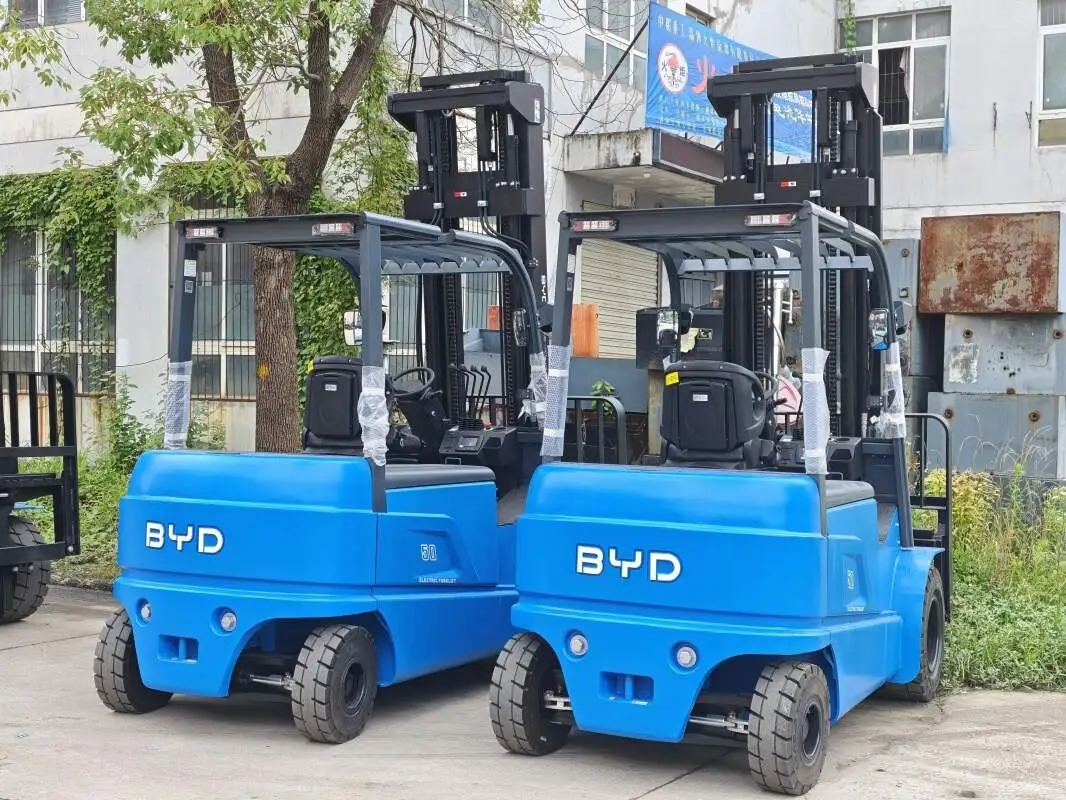
forklift battery quick fill systems play a key role in reducing downtime for material handling operations by accelerating battery charging cycles. However, improper operation can lead to safety risks, battery damage, or shortened service life. Following standardized operation guidelines is essential to ensure the safe and efficient performance of both the system and the forklift battery.
Pre-Operation Safety Checks
Before starting any charging procedure, complete thorough pre-operation checks to mitigate potential hazards. First, inspect the forklift battery for visible damage, such as cracks, electrolyte leaks, or swollen casings. If any anomalies are detected, do not use the quick fill system and address the issue before proceeding. Next, examine the quick fill system’s components, including charging connectors, hoses, and control panels. Ensure all parts are intact, free from corrosion, and securely fastened. Additionally, confirm the charging area is well-ventilated to dissipate hydrogen gas emitted during charging, as this gas is flammable. Remove any flammable materials like oil rags or fuel cans from the immediate vicinity to prevent fire risks.
Step-by-Step Operation Procedures
1. Prepare the Forklift: Park the forklift in a designated charging zone, engage the parking brake, and turn off all electrical systems to avoid short circuits. Disconnect the forklift’s battery from its power circuit as per standard safety protocols.
2. Connect the System: Align the quick fill system’s connector with the battery’s charging port, ensuring a secure, tight fit. Do not force the connector, as this can damage the port or connector pins. Once connected, activate the system via the control panel, selecting the appropriate charging mode based on the battery’s state of charge.
3. Monitor the Process: Throughout the charging cycle, periodically check the system’s display for real-time data, including charging current, voltage, and battery temperature. If the system alerts for abnormal conditions such as overheating or overvoltage, stop charging immediately and investigate the cause. Avoid leaving the system unattended for extended periods, especially during initial charging cycles.
4. Complete Charging: When the system indicates the battery is fully charged, deactivate the system first, then disconnect the connector from the battery port. Store the connector properly to prevent damage or contamination. Reconnect the battery to the forklift’s power circuit and perform a quick functional check to confirm normal operation.
Post-Operation Maintenance Tips
Regular maintenance extends the service life of both the quick fill system and the battery. After each use, clean the charging connector and battery port with a dry cloth to remove dust, dirt, or residual electrolyte. Inspect the system’s hoses and cables for signs of wear or fraying, replacing any damaged parts promptly. Maintain a log of charging cycles, including start/end times, battery temperature, and any observed anomalies. This log helps identify potential issues early and ensures consistent charging practices.
Emergency Response Guidelines
In case of emergencies, follow these protocols to minimize risks. If electrolyte leaks occur, wear protective gloves and goggles, then neutralize the spill with an acid-absorbent material. Avoid direct contact with electrolyte, as it can cause skin or eye irritation. If the system or battery overheats, turn off the system immediately and disconnect the connector. Allow the battery to cool completely before inspecting for damage. For battery fires, use a Class D fire extinguisher specifically designed for such hazards, as water can worsen the situation.