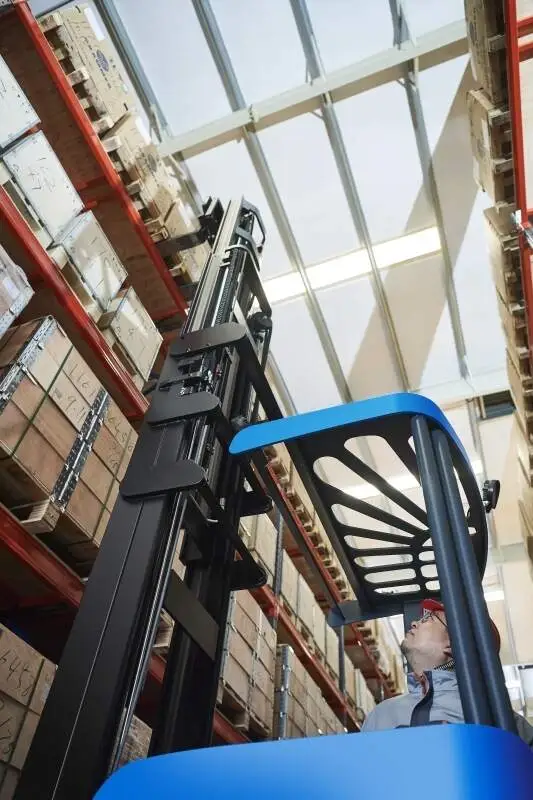
Multi direction forklifts are invaluable tools in warehouses, distribution centers, and manufacturing facilities, designed to navigate narrow aisles and handle long, bulky loads that standard forklifts cannot manage. However, their unique maneuverability also brings specific safety challenges that operators must address to ensure a secure work environment. Below are critical operation safety points to follow when using these specialized forklifts.
Before starting any task, operators must conduct a thorough pre-operation inspection to identify potential issues that could lead to accidents. Begin by examining the forklift’s exterior: check for damaged tires, loose bolts, or cracks in the mast. Inspect fluid levels, including fuel, oil, and hydraulic fluid, ensuring they meet manufacturer-recommended levels without leaks. Test the brakes, steering, horn, and lights to confirm they function properly. Never operate a multi direction forklift if any component is faulty; report issues to maintenance immediately and use a designated backup unit if available.
Proper load handling is a cornerstone of multi direction forklift safety. First, ensure the load is stable, evenly distributed, and secured with straps or bindings to prevent shifting during transport. When picking up a load, adjust the forks to match the width of the pallet or load base, and lower them to a height of 4 to 6 inches off the ground once lifted to minimize instability. Avoid overloading the forklift; always refer to the load capacity plate located on the vehicle, which specifies maximum weight limits for different load centers. When transporting long loads, be mindful of blind spots and use spotters if needed to navigate through tight spaces safely.
The multi direction forklift’s ability to move forward, backward, and sideways requires extra caution during navigation. Always travel at a speed appropriate for the environment—reduce speed in narrow aisles, wet or slippery surfaces, and areas with high foot traffic. Use the horn to alert pedestrians and other equipment operators when turning, merging, or approaching blind corners. When changing directions, ensure the forklift is completely stopped before engaging the multi-directional mode to avoid sudden shifts that could cause the load to tip or the vehicle to lose control. Maintain a safe distance from racks, walls, and other obstacles to prevent collisions that could damage the forklift, load, or facility infrastructure.
After completing tasks, follow proper post-operation procedures to keep the forklift in good condition and ensure safety for the next user. Park the forklift in a designated area, engage the parking brake, lower the forks to the ground, and turn off the engine. Remove any debris or loose materials from the forklift’s forks and body. Conduct a quick post-use inspection to note any new issues that may have arisen during operation and report them to the maintenance team. Never leave the forklift unattended with the engine running or forks raised, as this poses a risk to unauthorized personnel.
Regular training is essential for all multi direction forklift operators. Even experienced operators should participate in refreshers to stay updated on safety regulations and best practices. Employers should ensure operators receive certification specific to multi direction forklifts, as their operation differs significantly from standard models. Additionally, scheduled maintenance by qualified technicians is critical to keep the forklift in optimal working condition. Follow the manufacturer’s maintenance schedule for oil changes, part replacements, and system inspections to prevent mechanical failures that could lead to accidents.
By adhering to these operation safety points, operators can minimize the risk of accidents, protect themselves and coworkers, and extend the lifespan of the multi direction forklift. Safety should always be the top priority in any workplace using heavy equipment, and consistent compliance with these guidelines is key to maintaining a secure and efficient environment.