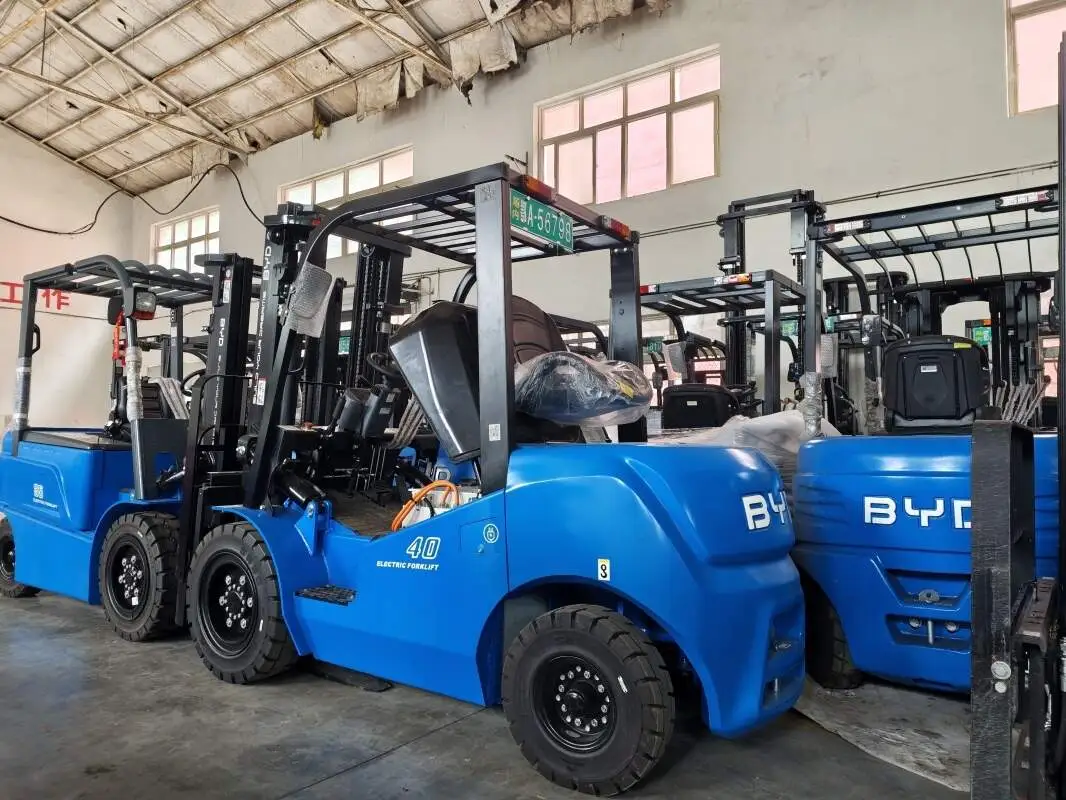
electric forklifts rely heavily on their batteries to deliver consistent performance in warehouse and industrial settings. A well-maintained battery not only ensures reliable operation but also reduces long-term costs by extending its lifespan. Understanding and implementing proper maintenance practices is key to maximizing battery efficiency and durability.
Proper charging procedures are foundational to battery health. Avoid overcharging, as this can lead to electrolyte loss and accelerated plate degradation. Most batteries require a full charge cycle without interruptions; partial charging over time can cause memory effect, reducing the battery’s overall capacity. It’s also important to use chargers matched to the battery’s voltage and type, as incompatible chargers can damage internal components. Allow the battery to cool down after heavy use before initiating a charge, as charging a hot battery can increase internal resistance and shorten lifespan.
Regular cleaning and visual inspections help prevent issues before they escalate. Batteries should be kept free of dirt, debris, and corrosion, as these can cause electrical shorts or reduce conductivity. Use a mild solution of baking soda and water to clean terminals and connectors, ensuring they are dry before reconnecting. During inspections, check for signs of damage such as cracked casings, leaking electrolyte, or swollen plates. Any abnormalities should be addressed promptly to avoid further damage. Additionally, ensure battery cables are tight and free of fraying, as loose connections can lead to voltage drops and inefficient charging.
Temperature plays a critical role in battery performance and longevity. Extreme hot or cold conditions can negatively impact battery chemistry. Batteries should be stored and operated in environments between 50°F (10°C) and 85°F (29°C). In cold temperatures, battery capacity decreases, requiring more frequent charging, while excessive heat increases internal corrosion and electrolyte evaporation. If operating in extreme climates, consider installing temperature-controlled storage areas or using insulation to protect the battery.
Establishing a routine maintenance schedule is essential. This includes daily checks for visual damage and charging status, weekly cleaning of terminals, and monthly inspections of electrolyte levels (for flooded batteries). For sealed batteries, focus on monitoring charging cycles and temperature. It’s also advisable to conduct professional capacity tests annually to assess the battery’s remaining life and identify potential issues. Keeping detailed records of maintenance activities, charging cycles, and any repairs can help track battery performance and plan for replacements when necessary.
By following these maintenance practices, you can significantly extend the lifespan of your electric forklift battery. Proper charging, regular cleaning, temperature control, and routine inspections not only enhance performance but also reduce downtime and replacement costs. Investing time in battery maintenance is a cost-effective strategy that ensures your electric forklifts remain reliable and efficient for years to come.