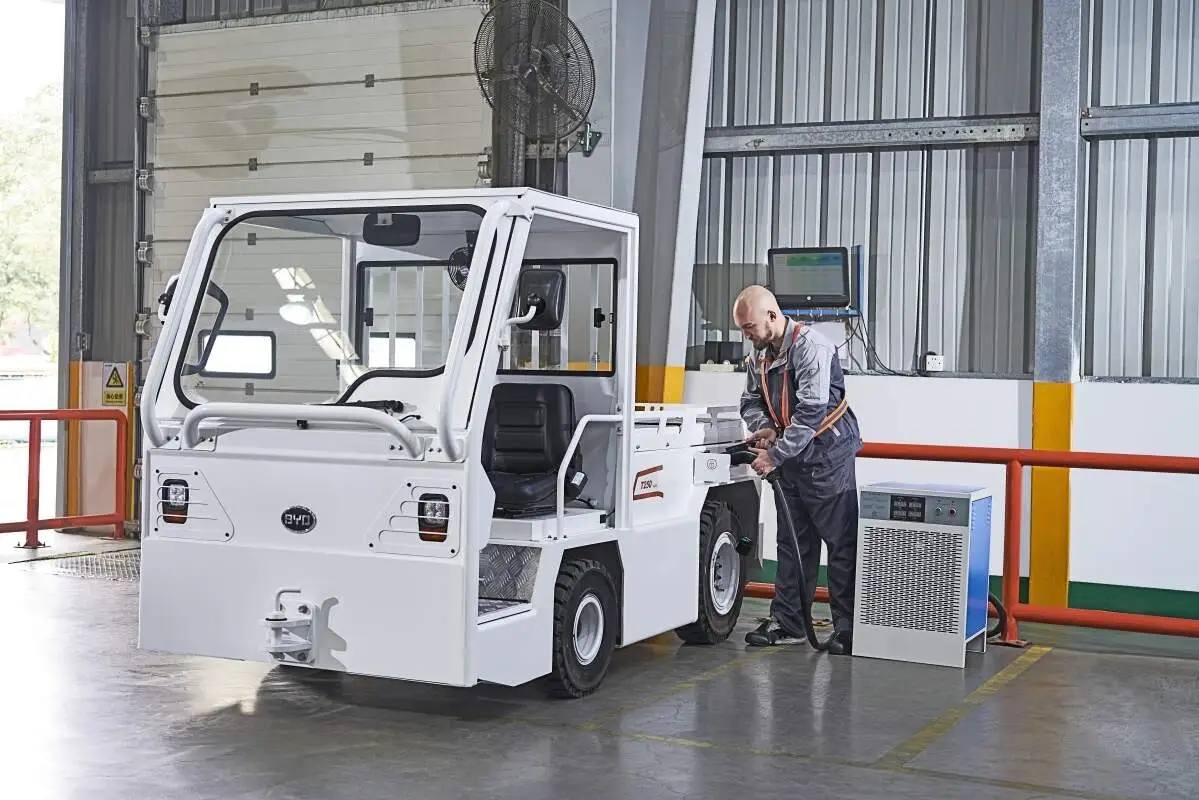
Working in low-light workplace conditions, such as dim warehouses during night shifts or poorly lit outdoor loading docks, presents unique challenges for electric forklift operators. Reduced visibility increases the risk of collisions, property damage, and personal injury, making it critical to follow tailored operation guidelines to maintain safety and efficiency.
Before starting any task in low-light settings, a thorough pre-operation check is non-negotiable. Begin by verifying all lighting systems are functioning correctly—this includes headlights, taillights, warning beacons, and overhead work lights. Ensure each light is clean and free of debris that could obstruct illumination. Additionally, inspect the forklift’s proximity sensors and backup alarms; these tools are vital for detecting obstacles and alerting nearby workers when visibility is limited. If any component fails the check, do not operate the forklift until repairs are completed.
Operators should take proactive steps to make themselves visible to others. Wear high-visibility safety gear, such as reflective vests or jackets, that stand out against dim backgrounds. For extended tasks in extremely low light, consider using personal headlamps to supplement the forklift’s lighting, allowing for clearer visibility of the immediate work area. Avoid wearing dark-colored clothing that blends into the environment, as this increases the risk of being overlooked by co-workers or other equipment operators.
In low-light conditions, slow down your operating speed to give yourself more time to react to unexpected obstacles. Maintain a greater following distance from other vehicles or stationary objects than you would in well-lit areas. Use the forklift’s horn frequently to alert others of your presence, especially when turning corners or navigating narrow aisles where visibility is further restricted. When lifting or lowering loads, take extra care to ensure the load is stable and positioned correctly—reduced visibility can make it harder to judge distances and load alignment.
Prior to starting operations, take a few minutes to walk through the work area and identify potential hazards. Note any uneven floors, loose materials, or low-hanging objects that may be harder to see in dim light. Mark these hazards with reflective tape or portable warning signs to make them more noticeable. If possible, work with facility management to improve ambient lighting temporarily, such as setting up portable floodlights in high-traffic areas, to enhance overall visibility during critical tasks.
Consistent maintenance of the forklift’s lighting and safety systems is essential for reliable performance in low-light conditions. Schedule regular inspections to replace burnt-out bulbs and clean sensors to ensure they function properly. Additionally, operators should receive specialized training on low-light operation, covering hazard identification, equipment use, and emergency procedures. This training helps operators develop the skills needed to navigate challenging dim-light environments safely and confidently.
By following these operation suggestions, electric forklift operators can mitigate the risks associated with low-light workplace conditions, ensuring both their own safety and the efficient completion of tasks. Remember, prioritizing visibility, cautious operation, and proactive maintenance are key to minimizing accidents and maintaining a secure work environment even when lighting is limited.