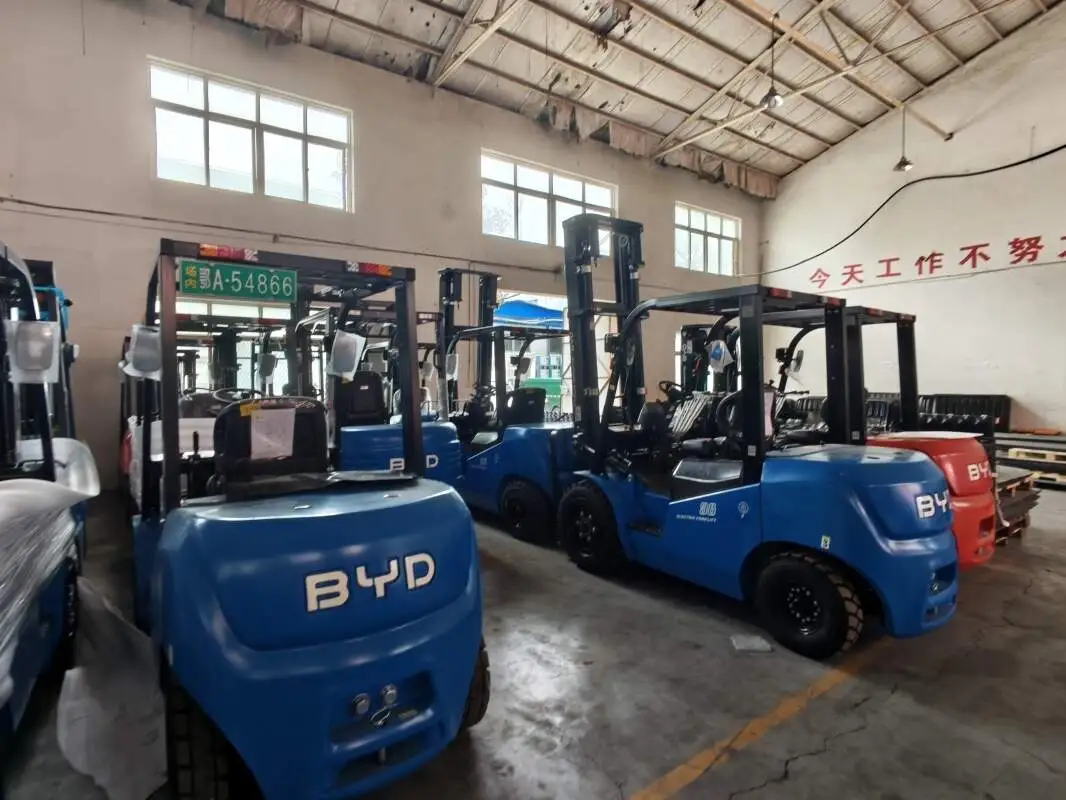
Manual 2-ton hydraulic forklifts are essential tools in warehouses, construction sites, and logistics centers for lifting and transporting heavy loads within limited spaces. Proper operation and regular maintenance not only extend the equipment’s service life but also minimize safety risks for operators and surrounding personnel.
Before starting any operation, conduct a pre-shift inspection to ensure the forklift is in good working condition. Check the tire pressure for uniformity and look for signs of wear or damage. Verify the hydraulic oil level against standard operational ranges; insufficient oil can lead to slow lifting or system failure. Test the brake system by applying gentle pressure to confirm it responds promptly and stops the forklift smoothly.
When operating the forklift in a working area, maintain a slow and steady speed, especially in crowded spaces or around obstacles. Keep both hands on the steering wheel and focus on the path ahead. For turns, reduce speed to avoid tipping, and ensure the load is balanced to prevent shifting. When navigating ramps, travel straight up or down; never turn on a slope. If carrying a load uphill, keep the load facing uphill to maintain stability.
During loading and unloading operations, align the fork tines evenly with the pallet openings before inserting them fully into the pallet. Raise the load just high enough to clear the ground (typically 10-15 centimeters) to ensure stability during transport. Avoid sudden starts, stops, or sharp turns while carrying a load, as these actions can cause the load to shift or the forklift to tip. Once the load is placed, lower the forks completely to the ground before moving the forklift away.
Daily maintenance is crucial to keep the forklift running reliably. After each shift, clean the forklift to remove dirt, debris, and spilled materials that can accumulate on components like the hydraulic system or brake parts. Check the hydraulic system for signs of leaks, such as oil spots on the ground or around hoses and connections. Tighten any loose fittings immediately to prevent further leakage and system damage.
Perform regular maintenance tasks on a weekly or monthly basis depending on usage frequency. Lubricate the fork chains and pivot points with appropriate grease to reduce friction and wear. Inspect the chain tension; loose chains can cause uneven lifting or load instability. Check the tire tread depth and replace tires that show excessive wear or damage to ensure proper traction on different surfaces.
Every few months, conduct a comprehensive inspection of the hydraulic system. Test the lifting and lowering functions to ensure they operate smoothly without delays or unusual noises. Replace the hydraulic oil according to recommended schedules to maintain system efficiency. Additionally, inspect the brake pads for wear and replace them if they are thinner than the specified minimum thickness to ensure reliable stopping power.
All operators must receive proper training on forklift operation and safety protocols before using the equipment. Never exceed the forklift’s maximum load capacity of 2 tons, as overloading can lead to structural damage or tipping. Avoid operating the forklift on uneven or slippery surfaces, and never leave the forklift unattended with the load raised. Always park the forklift on a flat surface, lower the forks to the ground, and engage the parking brake when not in use.