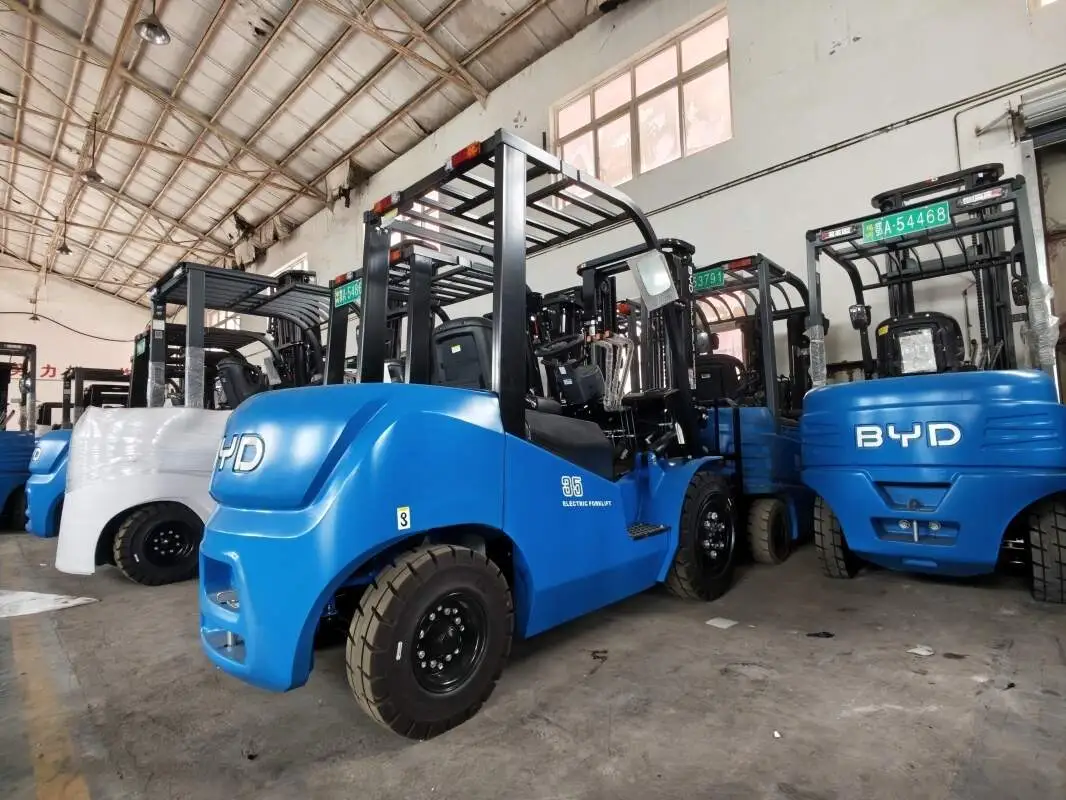
Forklifts are indispensable tools in industrial premises, streamlining material handling and boosting operational efficiency. However, their heavy-duty nature and maneuverability pose significant safety risks if not operated correctly. Adhering to strict operational safety rules is crucial to protect operators, pedestrians, and valuable assets, while minimizing workplace accidents.
Before initiating any forklift operation, a thorough pre-operation inspection is non-negotiable. Operators must check critical components such as brakes, steering systems, tires, and hydraulic mechanisms to ensure they are in proper working condition. Lighting and horn functions should also be verified to enhance visibility and communication in busy industrial environments. Additionally, operators should survey the surrounding area for potential obstacles, uneven surfaces, or pedestrian traffic that could interfere with safe movement. Any defects or hazards identified during the inspection must be reported immediately, and the forklift should not be used until issues are resolved.
During operation, several key practices must be followed to maintain safety. First, operators should always adhere to designated speed limits, which are often lower in pedestrian-heavy zones or narrow aisles. Maintaining a clear line of sight is essential; if a load obstructs visibility, operators should travel in reverse or use a spotter to guide them. Proper load handling is another critical aspect: loads must be evenly distributed, secured, and lifted to the minimum height necessary to avoid instability. Sudden starts, stops, or sharp turns should be avoided, as these can cause the forklift to tip over or loads to shift. Operators should also never carry passengers on forklifts, as these vehicles are designed solely for material transport.
Operator training is a foundational element of forklift safety in industrial settings. Only trained and certified individuals should be allowed to operate forklifts. Training programs should cover not only basic operation skills but also hazard recognition, emergency procedures, and compliance with workplace safety regulations. Regular refresher courses are recommended to keep operators updated on new safety protocols and reinforce good practices. Employers should also ensure that operators understand the specific characteristics and limitations of the forklifts they use, as different models may have unique operational requirements.
Regular maintenance is vital to keep forklifts safe and reliable. Daily routine checks should complement formal scheduled maintenance performed by qualified technicians. Maintenance tasks include replacing worn parts, inspecting fluid levels, and ensuring all safety features are functional. Keeping detailed records of maintenance activities helps track the forklift’s condition and identify recurring issues early. Neglecting maintenance can lead to unexpected breakdowns and increase the risk of accidents, making it a critical component of any comprehensive forklift safety program.
In conclusion, following operational safety rules for forklift usage in industrial premises is essential for creating a safe work environment. By prioritizing pre-operation inspections, safe operational practices, proper training, and regular maintenance, employers and operators can significantly reduce the risk of accidents and ensure the smooth, safe operation of forklifts in industrial settings.