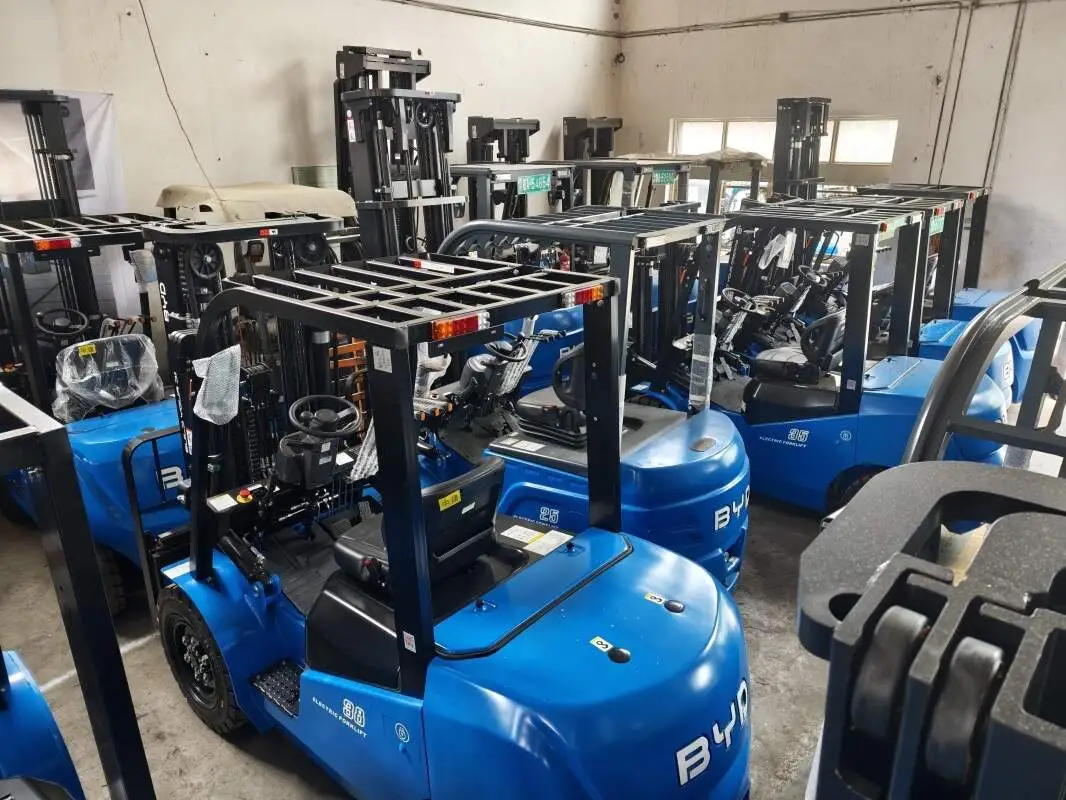
Sideloader forklifts play a crucial role in optimizing narrow aisle transport within warehouses, distribution centers, and manufacturing facilities, where space efficiency is a top priority. Understanding the price range and key influencing factors helps businesses make informed decisions when investing in this specialized equipment.
Load capacity is a primary driver of sideloader forklift pricing. Models designed to handle lighter loads (1 to 3 tons) are more budget-friendly, suitable for small-scale operations with moderate-weight palletized goods. As load capacity increases to 5 tons or more, prices rise significantly due to reinforced structures, robust hydraulic systems, and enhanced stability features required to manage heavy loads safely in tight spaces.
For narrow aisle applications, electric sideloader forklifts are the go-to choice for their zero emissions, low noise levels, and maneuverability. Entry-level electric models with lead-acid batteries have a lower upfront cost, though they may incur higher long-term maintenance expenses related to battery replacement. Lithium-ion electric sideloaders, while more expensive initially, offer longer battery life, faster charging, and reduced maintenance, making them a cost-effective option for high-intensity, continuous operations.
Mast height and reach also impact pricing. Basic models with shorter mast heights (up to 4 meters) are priced lower, ideal for warehouses with standard racking. Forklifts with extended mast heights (6 meters or more) and advanced reach capabilities require stronger mast structures and precise control systems, leading to a higher price point. These models are essential for facilities with tall storage racks where vertical space utilization is critical.
Optional features can add to the overall cost. Features like automated load positioning, ergonomic operator cabins with climate control, collision avoidance sensors, and customizable attachments (side-shifters or fork positioners) enhance efficiency and safety but increase the price. Businesses should evaluate their specific needs to avoid unnecessary expenses.
Based on these factors, electric sideloader forklift prices for narrow aisle transport vary widely. Entry-level models start from $25,000 to $35,000. Mid-range models with higher load capacity, longer mast heights, and standard features cost between $40,000 and $60,000. High-end models with lithium-ion batteries, advanced safety systems, and customizable options range from $70,000 to over $100,000. These estimates can vary based on regional market conditions, supplier offerings, and service packages like installation, training, and warranty coverage.
When considering a sideloader forklift, businesses should prioritize operational requirements, budget constraints, and long-term maintenance costs. Thorough research, comparing quotes from multiple suppliers, and testing equipment in actual working conditions help ensure the investment aligns with immediate and future needs.