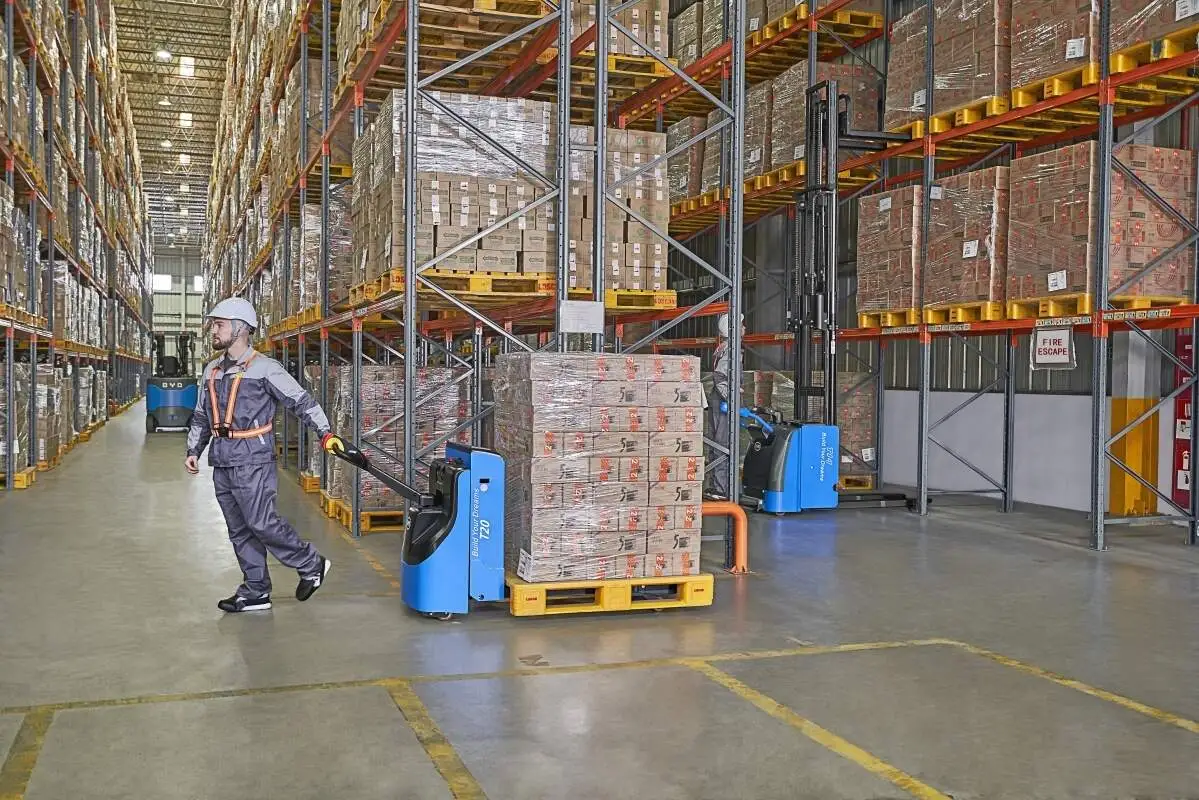
Operating a forklift in industrial or warehouse environments carries inherent risks, making robust safety protocols non-negotiable. Among these critical protocols, operator apparel and supporting forklift accessories play a pivotal role in minimizing hazards, protecting operators from injury, and elevating overall operational efficiency. Investing in the right gear not only aligns with workplace safety standards but also underscores a commitment to employee well-being.
High-visibility apparel stands as a foundational pillar of forklift operator safety. In busy settings with moving machinery and pedestrian traffic, bright, reflective garments—including vests, jackets, and coveralls—help operators stand out, reducing collision risks. Crafted from durable, lightweight materials, these garments balance visibility in both daylight and low-light conditions with unrestricted movement, ensuring operators can perform tasks without hindrance.
Protective footwear is another essential component. Forklift operators require shoes or boots with slip-resistant soles to maintain stability on slick surfaces, paired with steel toes to shield feet from falling objects or accidental crushing by the forklift. Comfort is equally important; well-designed footwear prevents fatigue during long shifts, allowing operators to stay focused on their duties.
Gloves, often underestimated, serve multiple purposes. They safeguard hands from cuts, abrasions, and chemical exposure, depending on the work environment. For forklift operators, gloves with a firm grip enhance control of the vehicle’s controls, reducing the chance of accidental movements that could lead to incidents. Hard hats are mandatory in most industrial spaces, protecting operators from falling debris, low-hanging structures, or impacts during collisions. A well-fitted hard hat with a chin strap ensures it stays secure during sudden jolts.
Beyond apparel, supporting accessories are vital for enhancing forklift safety and functionality. Seat belts are a primary accessory that prevents operator ejection in the event of a tip-over. While many modern forklifts include seat belt reminders, consistent use is key to maximizing their effectiveness. Backup alarms and warning lights alert pedestrians and workers to the forklift’s presence; backup alarms emit a distinct sound during reverse, while strobe lights or rotating beacons boost visibility in crowded or low-light areas.
Visibility aids like mirrors and camera systems significantly expand an operator’s field of view. Forklifts have inherent blind spots that can obscure pedestrians or obstacles, especially when carrying large loads. Wide-angle mirrors and rearview cameras help operators monitor these blind spots, enabling safer maneuvering. Load stabilizers and attachment accessories secure loads during transport, preventing shifting or falling items that could cause tip-overs or damage. Options like side shifters, fork positioners, or clamp attachments keep loads in place and simplify handling.
In conclusion, operator apparel and supporting forklift accessories are not optional add-ons—they are integral to building a safe, efficient workplace. Prioritizing high-quality protective gear and functional accessories helps reduce accident risks, improve operator performance, and ensure compliance with safety regulations. Regular inspections, maintenance, and operator training further enhance their effectiveness, fostering a culture of safety that benefits everyone in the industrial environment.