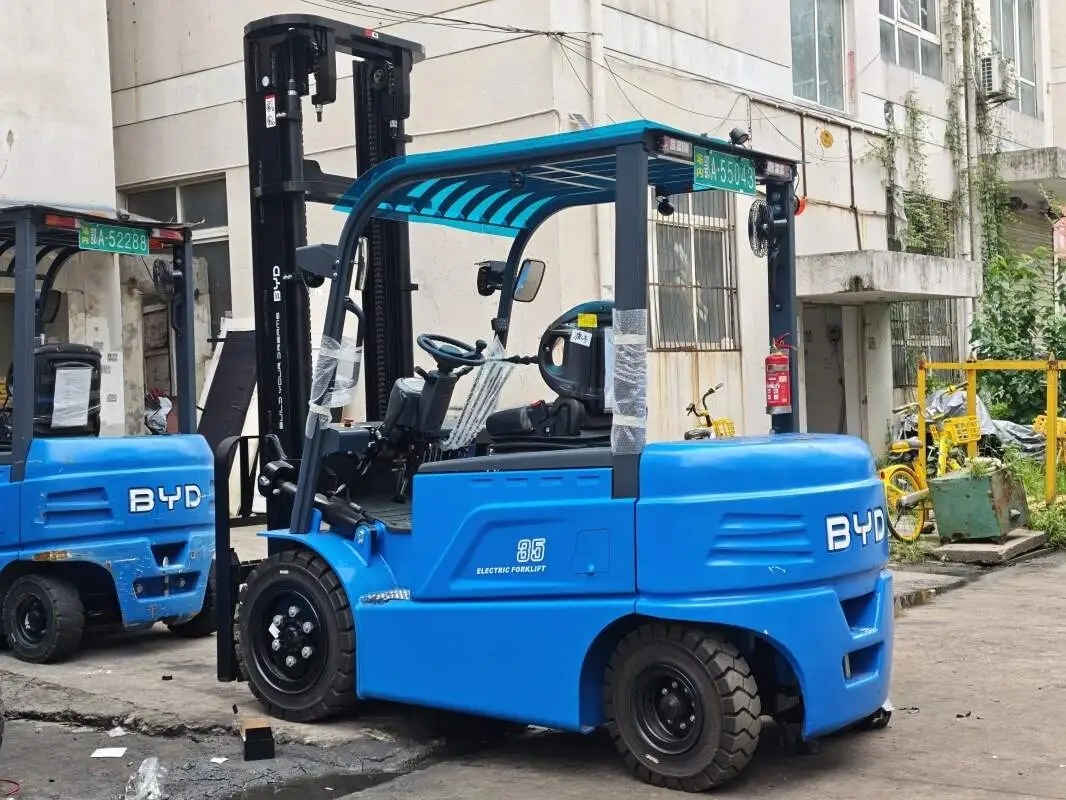
If you’ve noticed a pungent rotten egg smell coming from your propane forklift’s exhaust, you’re not alone. This sulfurous odor is a common issue that can signal underlying problems with fuel quality, engine components, or maintenance routines. Left unaddressed, it may create an unpleasant work environment and indicate potential long-term engine damage. Below, we break down practical, compliant solutions to diagnose, fix, and prevent this troublesome odor.
One of the most frequent causes of rotten egg exhaust odor is contaminated propane fuel. Sulfur compounds can enter propane during production or storage, and when burned, these compounds release hydrogen sulfide—the gas responsible for the distinct rotten egg smell. To resolve this, start by verifying your propane supply’s quality. If contamination is suspected, drain the existing tank and refill it with fresh, certified propane. Additionally, inspect the fuel tank for corrosion or sediment buildup, which can trap contaminants and worsen the odor over time.
Propane forklifts rely on catalytic converters to reduce harmful emissions, including sulfur compounds. A damaged or clogged converter may fail to process these compounds effectively, leading to hydrogen sulfide release. Inspect the converter for physical damage like cracks or dents, and check for clogs caused by carbon buildup. If the converter is faulty, replacing it with a properly functioning unit can eliminate the odor and restore emission control efficiency. Regular cleaning, as recommended in your forklift’s maintenance manual, can also prevent clogs and extend its lifespan.
Worn or malfunctioning engine components can also contribute to the odor. For example, a faulty oxygen sensor may disrupt the air-fuel ratio, causing incomplete propane combustion. This inefficient burning leads to increased sulfur emissions. Inspect the oxygen sensor for wear or damage, and replace it if necessary. Additionally, check spark plugs and the ignition system—worn spark plugs can cause incomplete combustion, amplifying the sulfur smell. Replacing spark plugs at recommended intervals ensures proper ignition and complete fuel burning.
Preventive maintenance is key to avoiding the odor long-term. Establish a regular schedule that includes changing air filters, inspecting fuel lines for leaks or blockages, and checking overall engine performance. Dirty or clogged air filters restrict airflow, leading to incomplete combustion and elevated emissions. Fuel lines should be inspected for cracks or loose connections, which can introduce contaminants into the system. By adhering to consistent maintenance, you can catch potential issues early and keep your propane forklift operating efficiently without unpleasant odors.
Dealing with a rotten egg exhaust odor doesn’t have to be daunting. By identifying the root cause—whether contaminated fuel, a faulty catalytic converter, or worn engine parts—and implementing appropriate solutions, you can eliminate the odor and ensure safe, efficient operation. Always follow manufacturer guidelines and safety protocols during maintenance or repairs, and consult a qualified technician if unsure about any steps. With proper care, you can keep your workplace comfortable and your propane forklift in top condition.