In the forklift industry, standardized terminology and abbreviations play a critical role in streamlining communication between regulators, employers, and operators. These shorthand terms help quickly convey key information about certification types, equipment categories, and compliance requirements, reducing confusion and ensuring clear expectations across all stakeholders. Among the many abbreviations used in forklift licensing, "LF" is a common yet often misunderstood term that carries significant weight for both operators seeking employment and businesses maintaining safety standards.
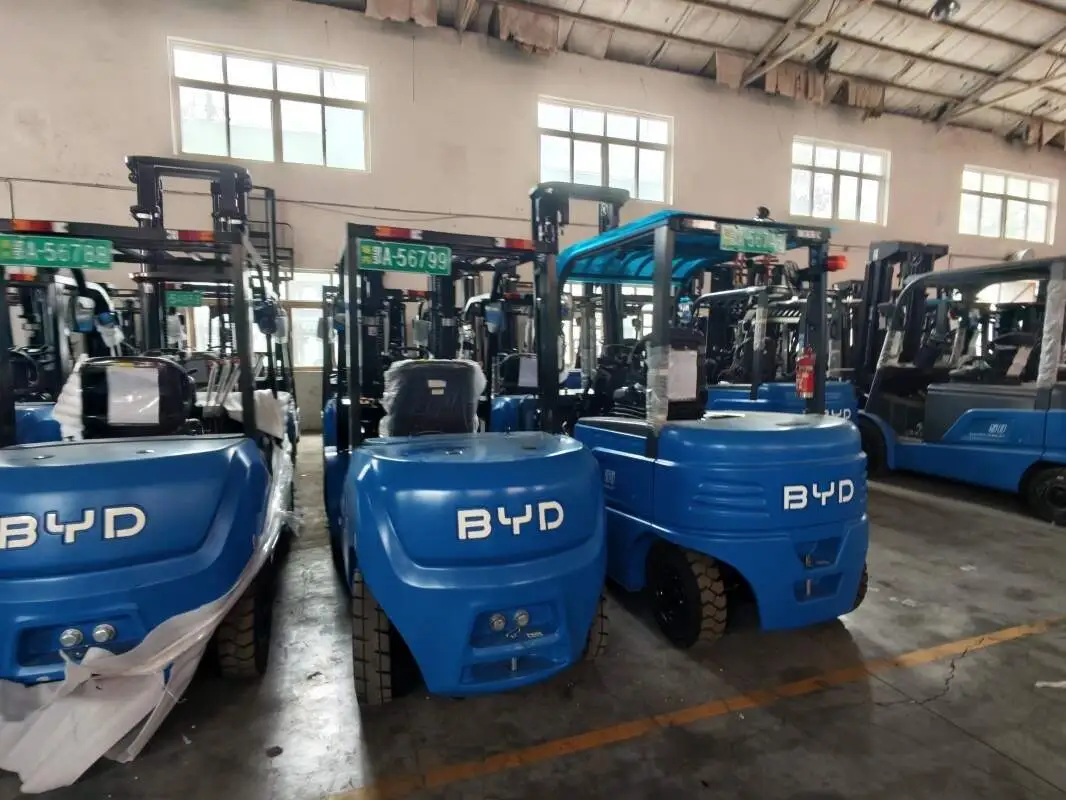
In official forklift license terminology, the abbreviation "LF" typically stands for "Light Duty Forklift" certification. This certification is specifically tailored for operators who will handle smaller, lighter-weight forklift models designed for low-load tasks. Light duty forklifts are commonly used in indoor settings such as small warehouses, retail stockrooms, and manufacturing facilities with narrow aisles, where they maneuver compactly to transport loads that typically weigh less than 2 tons. Unlike heavy-duty forklifts used for outdoor construction sites or port operations, light duty models have simpler operational controls and require a focused set of skills to operate safely within confined spaces.
Obtaining an LF certification involves targeted training that aligns with the unique demands of light duty forklift operation. Training programs cover core safety principles such as load balancing, aisle navigation, pedestrian awareness, and basic equipment maintenance. Unlike certifications for heavy-duty forklifts, LF training does not include modules on handling oversized loads, navigating rough terrain, or operating specialized attachments like telescoping forks. The certification exam combines a written component to test knowledge of safety regulations and a practical assessment where candidates demonstrate their ability to operate a light duty forklift in a controlled environment.
The LF abbreviation appears in various key contexts within the forklift industry. Job postings often specify "LF certification required" to signal that the role involves operating light duty equipment, helping applicants quickly determine if their credentials match the position's requirements. Regulators also use the term in official certification documents, printing "LF" on operator licenses to clearly indicate the scope of their authorized equipment. For businesses, verifying an operator's LF certification ensures that they are qualified to handle the specific forklift models used on-site, reducing the risk of accidents caused by untrained personnel operating equipment beyond their skill set.
Understanding the meaning of LF is essential for maintaining compliance and safety in the workplace. Misinterpreting the abbreviation could lead to operators using equipment outside their certified scope, which violates occupational safety regulations and increases the likelihood of collisions, load drops, or equipment damage. For employers, failing to recognize the distinction between LF and other forklift certifications could result in hiring unqualified staff, leading to fines, workplace injuries, and disruptions to daily operations. By clarifying the definition of LF in forklift license terms, industry professionals can ensure that all parties have a clear understanding of certification requirements and operational boundaries.