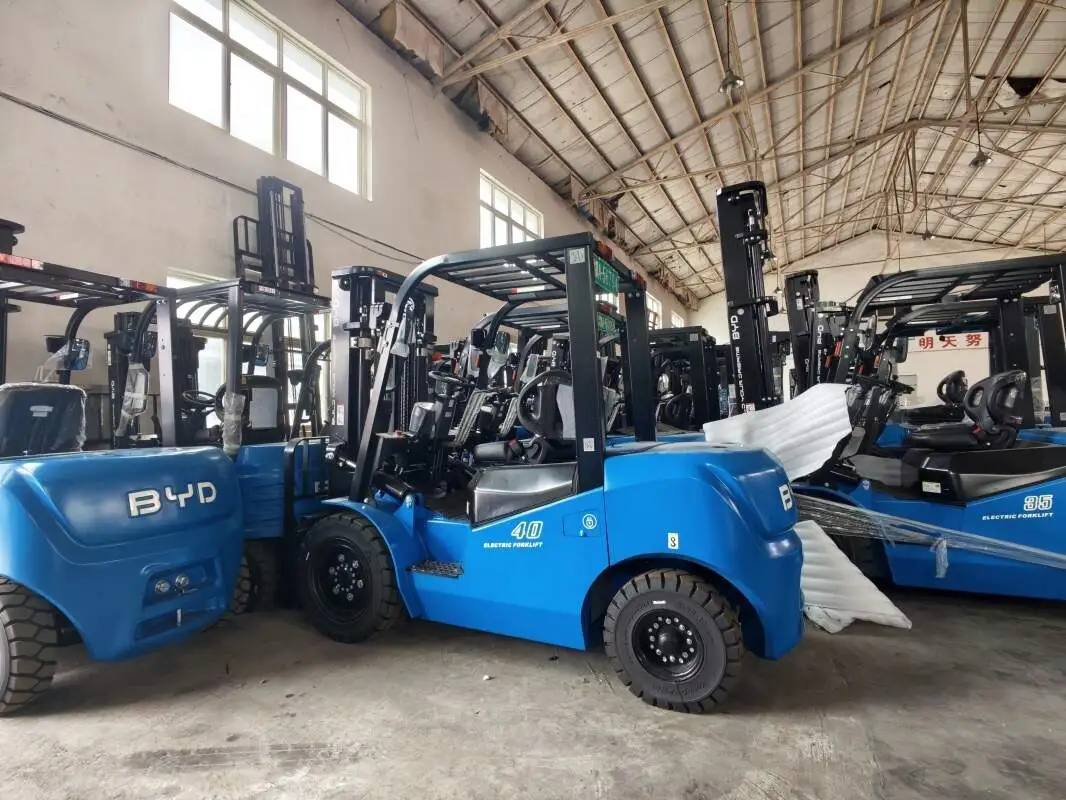
When operating a Maximal forklift, encountering error codes is a standard signal that the equipment requires attention. These codes are engineered to alert operators to underlying issues, ranging from minor electrical glitches to critical system failures. Mastering how to interpret and troubleshoot these codes can minimize downtime, cut repair costs, and uphold safe daily operations.
Begin with battery-related error codes, which often signal low voltage or poor connections. If a low-battery error appears, power off the forklift first and inspect the battery terminals for corrosion or loose wiring. Clean any buildup with a wire brush and ensure connections are securely tightened. Use a multimeter to check the battery’s charge level; if it falls below the recommended range, connect it to a charger and monitor the charging process. Persistent low-battery errors may indicate a failing battery that needs replacement.
Next, address motor and drive system error codes. Overheating motor alerts typically stem from excessive load, blocked ventilation, or worn components. Start by reducing the forklift’s load and allowing the motor to cool down. Inspect the motor’s ventilation grilles for dust or debris, and clear any obstructions to improve airflow. If the error recurs, check the motor’s bearings and wiring for signs of wear or damage. A professional inspection may be necessary if internal motor components are compromised.
Hydraulic system error codes often relate to low fluid levels, clogged filters, or leaky lines. Begin by checking the hydraulic fluid reservoir; if the level is low, top it up with the recommended fluid type. Inspect the hydraulic filter for dirt or debris, and replace it if clogged. Carefully examine all hydraulic lines and connections for leaks, tightening loose fittings or replacing damaged lines as needed. Air trapped in the system can also cause errors, so bleed the hydraulic lines following standard guidelines to remove air pockets.
Brake system error codes are critical for safety and require immediate attention. Common issues include worn brake pads, faulty sensors, or low brake fluid. Inspect the brake pads for thickness; if they’re worn beyond the recommended limit, replace them. Check the brake fluid level and top it up if necessary, ensuring no leaks exist in the brake lines. Test the brake sensors to confirm they function correctly, replacing any faulty sensors that send incorrect signals.
Regular preventive maintenance is key to reducing error code frequency. Schedule routine checks of battery health, motor ventilation, hydraulic fluid levels, and brake components. Keep all electrical connections clean and tight, and follow standard recommended service intervals. By staying proactive with maintenance and following this troubleshooting guide, you can keep your Maximal forklift operating reliably and safely for extended periods.