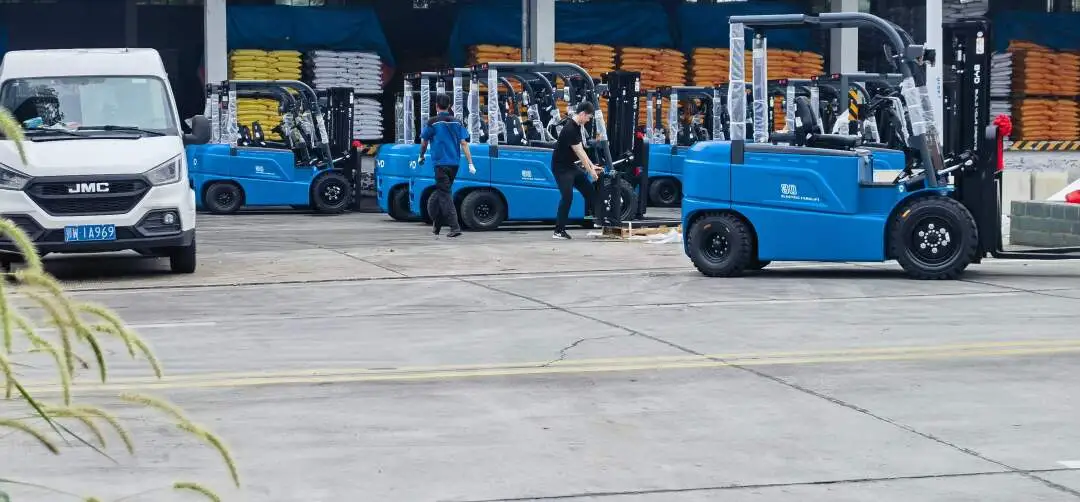
Forklifts are indispensable tools in warehouses, manufacturing facilities, and distribution centers, streamlining material handling operations. However, their utility comes with inherent risks, as evidenced by OSHA (Occupational Safety and Health Administration) forklift accident reports. These reports serve as critical resources for identifying recurring hazards and implementing targeted safety measures to protect workers and reduce operational disruptions.
One of the most prevalent causes highlighted in OSHA reports is inadequate operator training. Many incidents occur when operators lack formal instruction on safe maneuvering, load handling, and emergency protocols. For example, untrained operators may make sharp turns at high speeds, fail to account for blind spots, or misjudge load stability, leading to collisions, tip-overs, or dropped loads.
Next, improper load management is a frequent contributor to forklift accidents. Overloading the vehicle beyond its rated capacity strains the forklift’s structural integrity and impairs its balance, increasing the risk of tip-overs. Additionally, unevenly distributed loads or unsecured materials can shift during transit, causing the forklift to become unstable or resulting in falling objects that injure nearby workers.
Workplace environment hazards also play a significant role in OSHA-documented accidents. Cluttered aisles, wet or slippery floors, poor lighting, and obstructed visibility create dangerous conditions. Operators may struggle to navigate narrow spaces safely, lose traction on slippery surfaces, or fail to notice obstacles in dimly lit areas, leading to collisions with racks, equipment, or pedestrians.
Inadequate equipment maintenance is another key factor identified in OSHA reports. Faulty brakes, worn tires, malfunctioning steering systems, or damaged forks can compromise the forklift’s performance. Without regular inspections and timely repairs, these issues can escalate into serious accidents, such as sudden brake failure during descent or tire blowouts while carrying heavy loads.
To mitigate these risks, organizations should prioritize OSHA-compliant operator training programs. Training should cover all aspects of forklift operation, including load calculations, safe driving practices, emergency response, and proper communication with other workers. Regular refresher courses ensure operators stay updated on safety protocols and adapt to new equipment or workplace changes.
Implementing strict load management procedures is equally important. Before operating a forklift, operators should verify the load weight against the vehicle’s rated capacity, ensure loads are evenly distributed and securely fastened, and adjust the forklift’s mast and forks accordingly. Supervisors should conduct periodic audits to enforce these practices and address any non-compliance promptly.
Optimizing the workplace environment is essential for reducing accident risks. Facilities should maintain clear, well-marked aisles, repair wet or damaged floors promptly, install adequate lighting in all work areas, and implement pedestrian safety measures such as designated walkways and warning signs. Regular housekeeping routines help eliminate clutter and obstacles that could impede forklift operations.
Finally, establishing a comprehensive equipment maintenance schedule is critical. Forklifts should undergo daily pre-operation inspections by operators, as well as periodic professional servicing. Maintenance records should be kept to track repairs, replacements, and compliance with OSHA standards. Addressing minor issues early prevents them from developing into major safety hazards.
By understanding the typical causes outlined in OSHA forklift accident reports and implementing these preventive suggestions, organizations can create a safer work environment, reduce the likelihood of accidents, and ensure compliance with OSHA regulations. Protecting workers from forklift-related injuries not only upholds ethical responsibilities but also improves operational efficiency by minimizing downtime and associated costs.