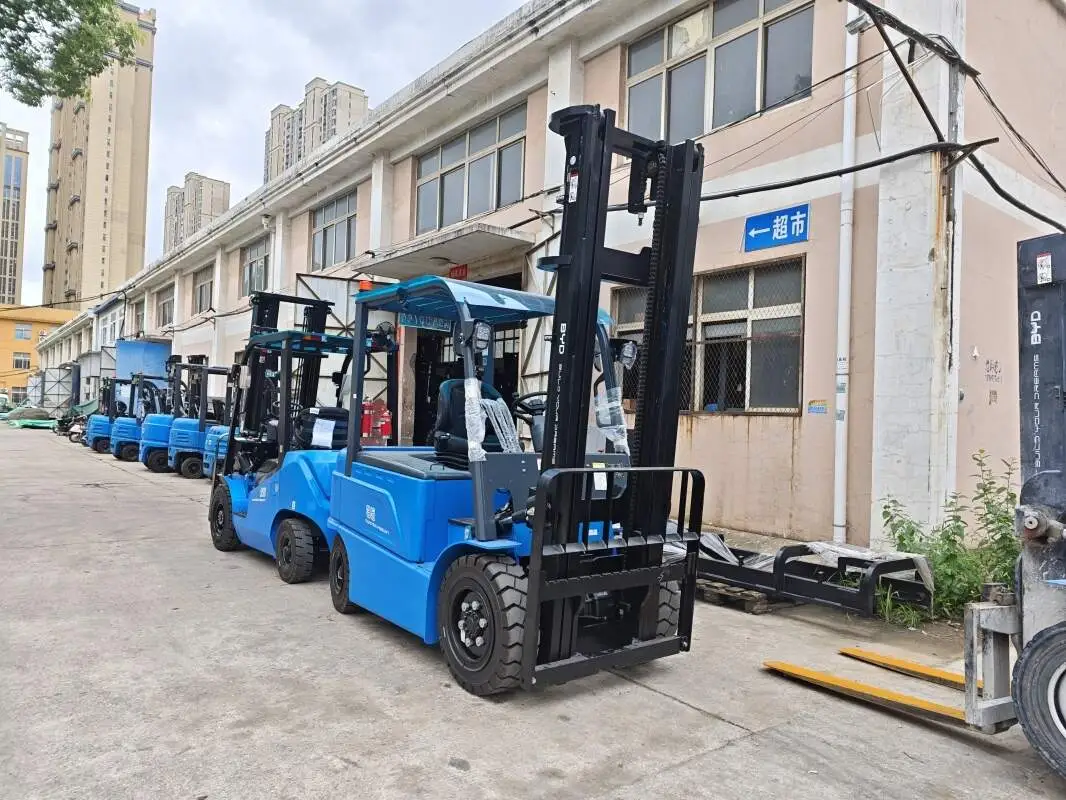
forklift attachments, from side shifters to clamp devices, play a critical role in enhancing material handling efficiency across warehouses, construction sites, and industrial facilities. However, using these attachments without adhering to Occupational Safety and Health Administration (OSHA) regulations can lead to workplace accidents, fines, and operational disruptions. Understanding and implementing OSHA’s compliance essentials for forklift attachments is not just a legal obligation—it’s a fundamental step to protect workers and maintain safe operations.
First, OSHA mandates that any modification or addition of an attachment to a forklift must be approved by the forklift’s original manufacturer or a qualified engineering professional. This approval ensures that the attachment does not compromise the forklift’s structural integrity, stability, or load-bearing capacity. Unauthorized modifications can alter the forklift’s center of gravity, increasing the risk of tip-overs, which are a leading cause of forklift-related injuries. Before installing an attachment, businesses must obtain written confirmation that the forklift is compatible with the device and that its performance parameters remain within safe limits.
Next, load rating compliance is a non-negotiable OSHA requirement. Every forklift attachment comes with a specified load capacity, and the combined weight of the attachment and the load must not exceed the forklift’s adjusted rated capacity. OSHA requires that the adjusted capacity be clearly posted on the forklift once an attachment is installed. Operators must be trained to recognize these load limits and avoid overloading, as excess weight can lead to loss of control or structural failure. Regular assessments of load capacities, especially when switching between attachments, are essential to maintain compliance.
Operator training is another core component of OSHA’s rules for forklift attachments. OSHA standards state that forklift operators must receive specialized training for each type of attachment they use. This training should cover attachment-specific operating procedures, potential hazards such as reduced visibility with certain attachments, emergency stop protocols, and proper load handling techniques. Employers must document all training sessions, including the type of attachment covered, the date of training, and the operator’s proficiency demonstration. Refresher training is required whenever an operator uses a new attachment type, or following an accident or near-miss incident.
Regular inspection and maintenance of forklift attachments are also enforced by OSHA. Daily pre-operation inspections should include checking for signs of wear, damage, or loose components on the attachment. For example, hydraulic hoses on clamp attachments should be inspected for leaks, and pivot points should be checked for excessive play. Periodic comprehensive inspections, conducted by qualified personnel, should be scheduled according to the manufacturer’s guidelines. Any damaged or malfunctioning attachments must be removed from service immediately until repairs are completed and verified as safe.
Finally, proper labeling and documentation are key to OSHA compliance. Every attachment must display clear, durable labels that include its load capacity, manufacturer information, and installation instructions. The forklift itself must also have an updated label indicating its adjusted load capacity with the attachment installed. Employers must maintain records of attachment approvals, training, inspections, and maintenance to demonstrate compliance during OSHA audits.
By adhering to these OSHA rules for forklift attachments, businesses can create a safer work environment, reduce the risk of costly penalties, and ensure the long-term efficiency of their material handling operations. Prioritizing compliance not only meets legal requirements but also reflects a commitment to worker safety and operational excellence.