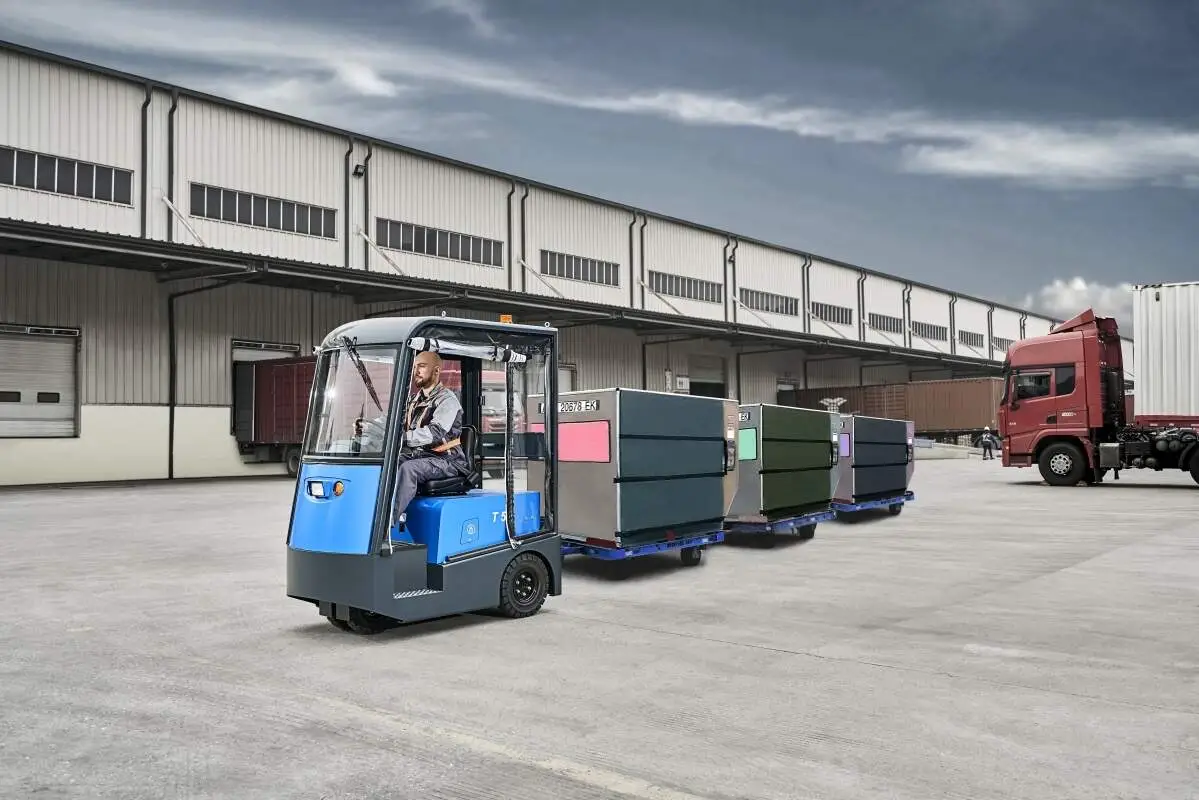
Steering a forklift is a core skill that directly impacts operational safety and efficiency, as these heavy-duty vehicles handle heavy loads and operate in diverse environments, from warehouses to construction sites. Mastering proper steering techniques helps prevent accidents, protect cargo, and ensure smooth workflows.
Before attempting to steer a forklift, always start with pre-operation checks to confirm the steering system is in good working order. Inspect the steering wheel for excessive play—if it turns more than 10 to 15 degrees without engaging the wheels, it may indicate a loose linkage or hydraulic issue. Check the hydraulic fluid level to ensure adequate pressure for responsive steering, and examine the tires for proper inflation and tread condition, as worn or underinflated tires can compromise steering control. These checks take only a few minutes but are critical for avoiding unexpected malfunctions during operation.
When operating the forklift, maintain a proper seated position with your back against the seat and both hands on the steering wheel, typically at the 9 and 3 o’clock positions. This posture gives you maximum control and allows you to respond quickly to changing conditions. For basic straight-line travel, keep the steering wheel centered and adjust gently if the forklift drifts. When turning, use smooth, gradual movements—avoid jerking the wheel, especially when carrying a load. Remember that forklifts have a rear-wheel steering system, meaning the rear wheels turn to direct the vehicle. This differs from standard cars, so you’ll need to adjust your approach: when turning left, the rear of the forklift will swing right, and vice versa. Always account for this tail swing to avoid hitting obstacles or personnel.
Navigating tight spaces, such as narrow warehouse aisles, requires precise steering techniques. The three-point turn is a valuable method for reversing direction in confined areas. To perform this, first drive forward until the front of the forklift clears the obstacle, then turn the steering wheel sharply in the desired direction and reverse slowly until the rear wheels align with the path, finally turning the wheel back to straighten out and drive forward. Always use your mirrors and scan the area continuously to monitor blind spots. If visibility is limited, ask a colleague to act as a spotter to guide you through tight sections.
When operating on uneven terrain, such as gravel or sloped surfaces, adjust your steering approach to maintain stability. Reduce your speed significantly before turning, as uneven ground can shift the forklift’s center of gravity. Keep the load as low as possible to minimize the risk of tipping, and avoid making sharp turns on slopes—instead, drive straight up or down, and turn only when you’re on level ground. If you encounter a bumpy surface, steer gently to keep the forklift moving in a straight line, as sudden turns can cause the load to shift unexpectedly.
Finally, always prioritize safety by adhering to workplace rules. Use the horn to alert others before turning or entering blind spots, and never operate the forklift while distracted by phones or other devices. Regularly schedule maintenance for the steering system to address wear and tear promptly, and refresh your training periodically to stay updated on best practices. By following these practical guidelines, you can steer a forklift confidently and safely in any operational setting.