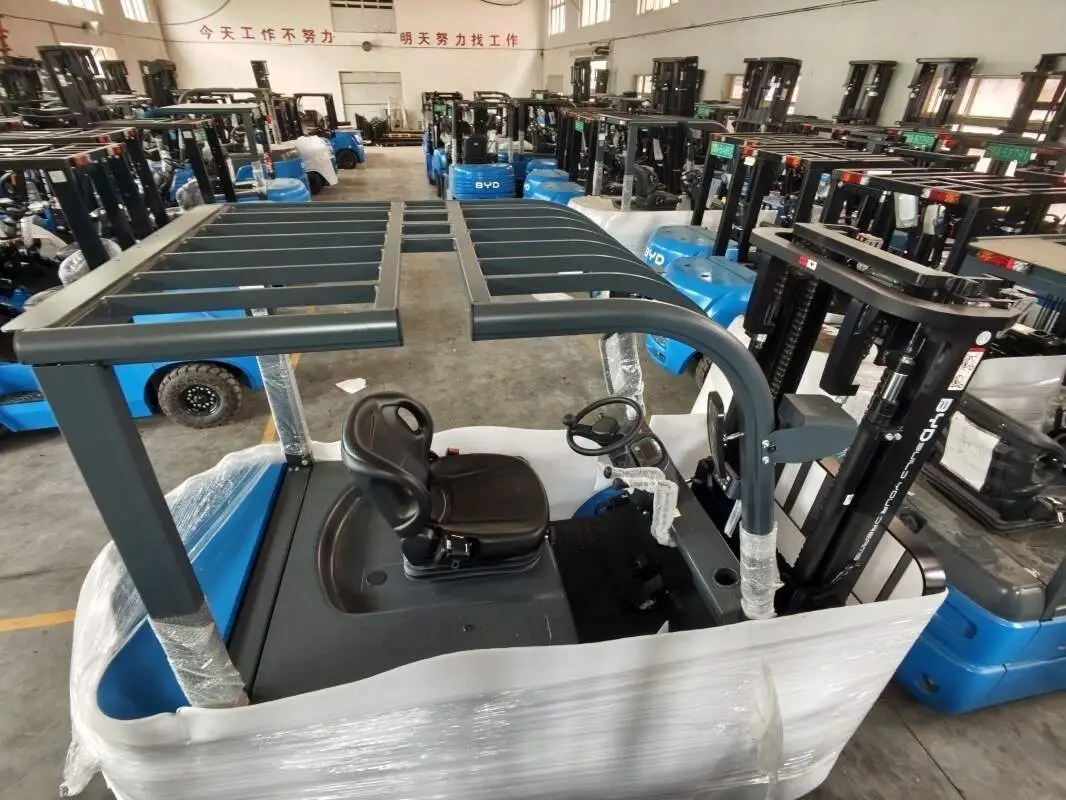
In modern material handling and industrial operations, high-reach tasks pose unique challenges that standard forklifts often cannot address effectively. Whether it’s stacking pallets on tall warehouse racks, lifting construction materials to upper building levels, or retrieving cargo from high-storage areas, businesses need equipment that combines flexibility, stability, and reach. This is where extendable forklifts step in, emerging as a practical and efficient solution for a wide range of high-reach applications.
An extendable forklift features telescopic forks that can extend outward to varying lengths, allowing operators to access loads at greater heights or distances without repositioning the entire vehicle. Unlike fixed-fork models, this adaptable design enables the forklift to handle both standard and extended-reach tasks, making it a versatile asset for diverse work environments.
One of the primary benefits of extendable forklifts is their ability to optimize space utilization. In warehouses with high-density racking systems, these forklifts can reach deep into storage bays or stack pallets at elevated heights, maximizing vertical storage capacity without requiring additional floor space. This is particularly valuable for logistics facilities where space is a premium, helping businesses store more inventory while maintaining organized operations.
In construction settings, extendable forklifts play a critical role in lifting heavy materials such as steel beams, concrete blocks, and roofing supplies to upper floors or scaffolding. Their telescopic forks can extend to reach areas that are inaccessible to standard forklifts, reducing the need for cranes or other specialized equipment and streamlining on-site workflows. This not only saves time but also lowers operational costs by minimizing the number of machines required for a single project.
Safety is another key advantage of extendable forklifts. When operated correctly, these vehicles maintain stable lifting performance even at maximum extension lengths. They are designed with robust frames, advanced hydraulic systems, and stability controls to prevent tipping or load shifting during high-reach operations. However, proper operator training is essential to ensure safe use, as operators must understand load capacity limits based on fork extension and follow best practices for balancing loads.
Regular maintenance is also crucial to keep extendable forklifts operating at peak performance. Routine inspections of telescopic mechanisms, hydraulic systems, and lifting components help identify potential issues early, reducing the risk of breakdowns and extending the lifespan of the equipment. Operators should check for wear and tear on fork extensions, lubricate moving parts, and ensure all safety features are functioning correctly before each use.
In conclusion, extendable forklifts offer an ideal solution for high-reach operations across industries. Their versatile design, space-saving capabilities, and safety features make them a valuable investment for businesses looking to improve efficiency and address the challenges of modern material handling. By following proper operational and maintenance protocols, businesses can enhance their productivity and ensure safe, reliable performance in even the most demanding high-reach tasks.