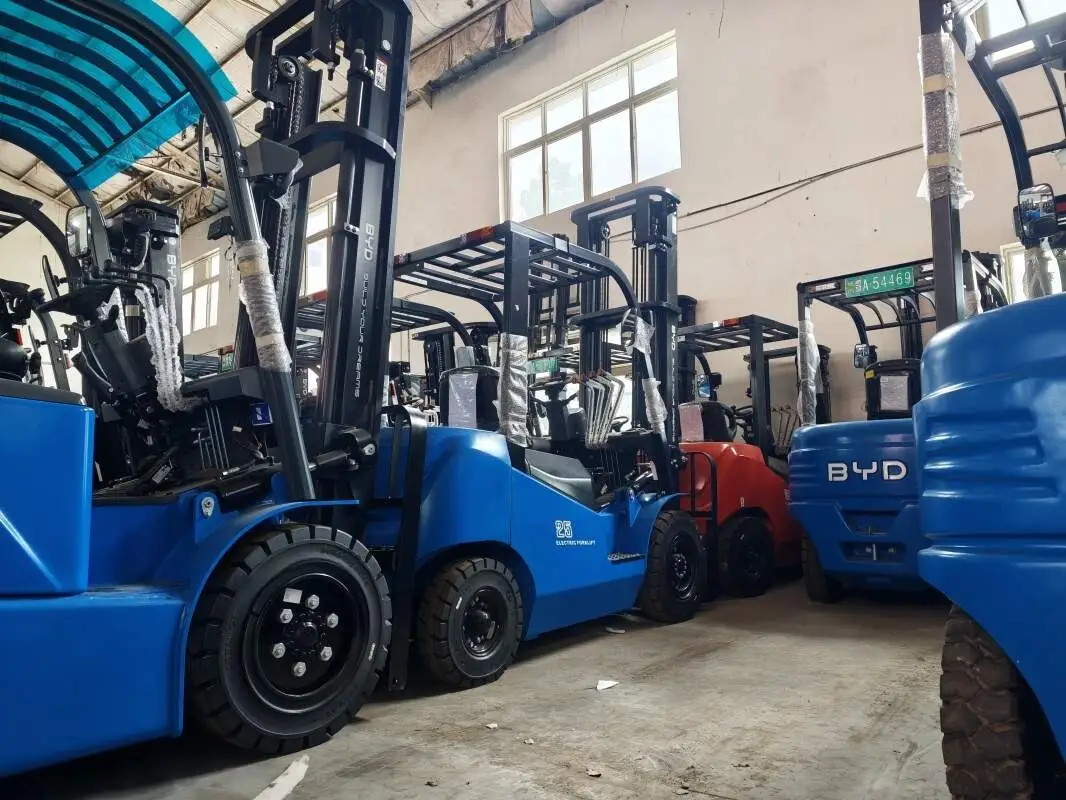
electric forklifts are indispensable tools for streamlining material handling across various site operations, from construction sites to warehouse facilities. However, their powerful capabilities carry inherent risks that demand strict adherence to safety guidelines to prevent accidents, protect personnel, and maintain operational efficiency. Below is a structured overview of practical safety measures tailored for daily site operations.
Before starting any shift, operators must conduct a thorough pre-operation inspection to identify potential issues that could compromise safety. This includes checking the battery’s charge level and connections to ensure stable power supply, inspecting tire condition for wear or damage that may affect maneuverability, and verifying the functionality of braking systems, horn, lights, and mirrors. Any defects found should be reported immediately, and the forklift should be taken out of service until repairs are completed. Operators should also wear appropriate personal protective equipment (PPE), including steel-toe boots, high-visibility vests, and safety glasses, to minimize injury risks.
Proper load handling is critical to preventing tip-overs and load-related accidents. Operators must assess the weight and dimensions of each load before lifting, ensuring it falls within the forklift’s rated capacity as specified in official guidelines. When lifting, the load should be positioned close to the mast to maintain stability, and the forks should be inserted fully under the load to distribute weight evenly. Avoid sudden acceleration, deceleration, or turns while carrying loads, as these actions can shift the center of gravity and cause instability. Additionally, loads should never be lifted higher than necessary for the task at hand, and operators should always keep a clear view of their path when moving with elevated loads.
Navigating site environments requires constant vigilance, as these areas often feature uneven terrain, pedestrian traffic, and other machinery. Operators should adhere to designated speed limits, which are typically lower in crowded or narrow spaces, and use horn signals to alert pedestrians and other workers of their presence. When crossing intersections or blind spots, operators should slow down, sound the horn, and check all directions before proceeding. It’s also essential to maintain a safe distance from other equipment and structures to avoid collisions. In outdoor operations, operators should be mindful of weather conditions such as rain or snow, which can reduce traction and visibility, and adjust their driving accordingly.
Regular training is a foundational component of forklift safety. All operators must complete a certified training program that covers both theoretical knowledge, such as load capacity calculations and safety regulations, and practical hands-on experience. Refresher training should be conducted periodically, especially when operators are assigned to new equipment or work environments, to reinforce safe practices. Beyond operator training, ongoing maintenance of forklifts is crucial. Scheduled inspections by qualified technicians should be performed to address mechanical issues before they escalate, and all maintenance records should be kept up to date to ensure compliance with safety standards.
By following these practical safety guidelines, site operations can significantly reduce the risk of forklift-related accidents, protect the well-being of workers, and maintain smooth, efficient material handling processes. Safety should always be the top priority, and every operator and site manager has a responsibility to uphold these standards to create a secure working environment for all.