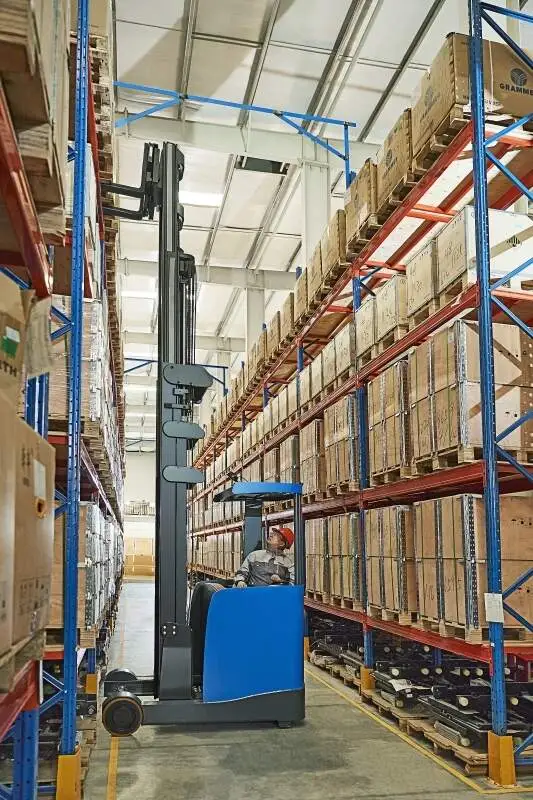
Investing in new forklift trucks is a critical decision for industrial operations, as these machines form the backbone of efficient material handling. To ensure you select a unit that aligns with your operational needs and delivers long-term value, several key points demand careful review before making a purchase.
First and foremost, evaluate the load capacity requirements of your daily operations. Do not solely rely on the nominal maximum load rating; consider the typical weight of the goods you handle, as well as the height to which you need to lift them. Forklift load capacity decreases as lift height increases, so verify the effective load capacity at your required maximum lift height. Additionally, account for irregularly shaped or oversized loads that may require specialized attachments, ensuring the forklift can accommodate these without compromising safety or performance.
Next, select the appropriate power source based on your work environment and operational demands. electric forklifts are ideal for indoor settings, as they produce zero emissions and operate with lower noise levels, making them suitable for enclosed warehouses or facilities with strict air quality standards. However, they require access to charging infrastructure and have limited continuous runtimes compared to fuel-powered alternatives. Diesel or liquefied petroleum gas (LPG) forklifts, on the other hand, are better suited for outdoor heavy-duty tasks, offering longer runtimes and higher torque for challenging loads. Consider factors like fuel availability, refueling or charging time, and environmental regulations when making this choice.
Maneuverability is another crucial factor, especially for operations with limited space. Measure the width of your warehouse aisles, turning radii, and overhead clearance to ensure the forklift can navigate these areas smoothly. Forklifts with smaller turning radii are better for narrow aisles, while units with higher ground clearance may be necessary for outdoor terrain with uneven surfaces. Poor maneuverability can lead to reduced efficiency, increased risk of collisions, and damage to both the forklift and warehouse infrastructure.
Beyond the initial purchase price, calculate the total cost of ownership (TCO) to make a financially sound decision. This includes ongoing maintenance costs, such as battery replacements for electric forklifts, fuel or oil expenses for fuel-powered units, and regular servicing. Look for forklifts with easily accessible components to reduce maintenance time and costs, and inquire about the availability of spare parts and warranty coverage from the supplier. A forklift with a lower upfront price may end up being more expensive over time if it requires frequent repairs or has high operational costs.
Safety features should never be overlooked. Ensure the forklift is equipped with essential safety components, including seatbelts, reverse warning alarms, anti-tip systems, and load stabilizers. Good operator visibility is also vital—opt for designs that minimize blind spots, especially around the mast and forks. Investing in a forklift with robust safety features not only protects your employees but also reduces the risk of costly accidents and downtime.
Finally, confirm that the forklift complies with all local industrial safety and environmental regulations. This includes adherence to equipment safety standards, emission limits for fuel-powered units, and any training requirements for operators. Non-compliant equipment can result in fines, operational disruptions, and increased liability in the event of an accident.
By thoroughly reviewing these points, you can make an informed decision that matches your operational needs, enhances efficiency, and ensures a safe and cost-effective material handling solution for your industrial facility.