In the realm of warehouse and industrial material handling, choosing the right equipment is critical to optimizing efficiency, safety, and operational costs. Two commonly used tools are pallet trucks and forklifts, each with distinct designs and functionalities tailored to specific tasks. Understanding their differences is key to selecting the most suitable option for your daily operations.
Pallet trucks, often called pallet jacks, are compact, manual or electric-powered devices designed primarily for moving palletized loads over short distances. Their streamlined structure allows them to navigate narrow aisles and tight spaces that larger equipment cannot access easily. Manual pallet trucks are ideal for light-duty tasks, such as moving small batches of goods within a single warehouse section, as they require no power source and have lower upfront costs. Electric pallet trucks, on the other hand, offer increased lifting capacity and reduce physical strain on operators, making them suitable for longer runs and heavier loads in medium-sized storage areas. They operate quietly and produce zero emissions, making them a practical choice for indoor environments with strict air quality requirements.
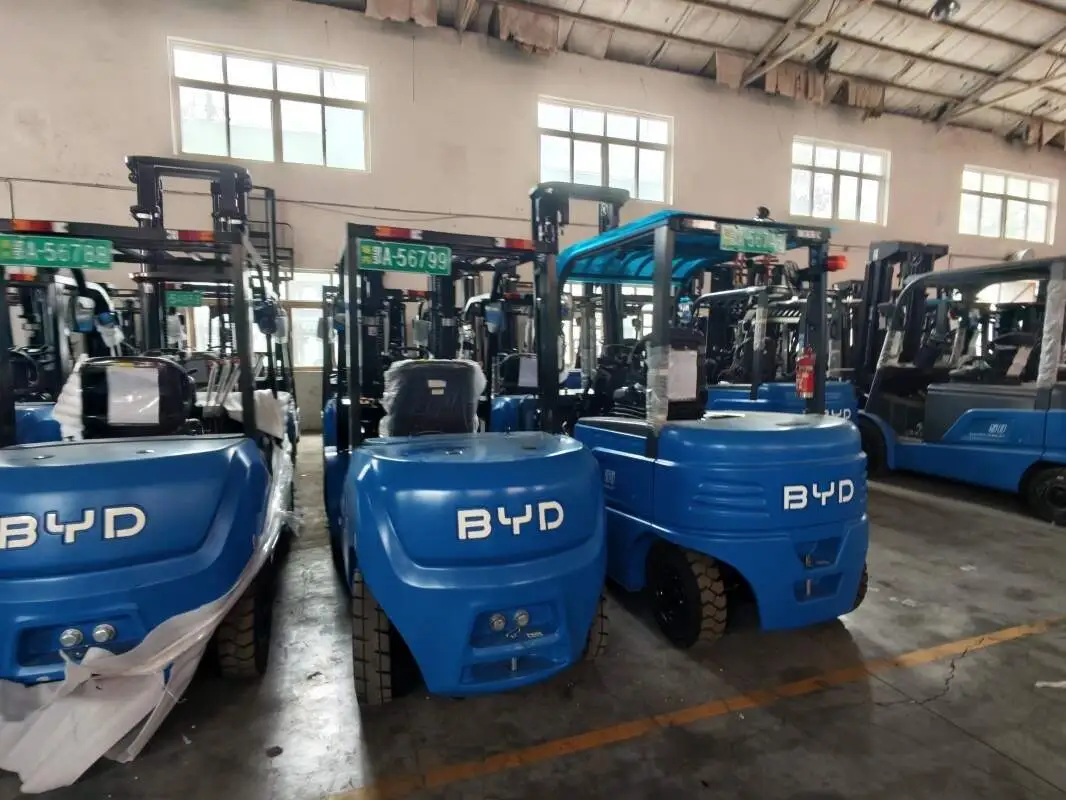
Forklifts are more robust, heavy-duty machines available in various types, including counterbalance, reach, and rough-terrain models. Unlike pallet trucks, forklifts can lift loads to significant heights, enabling access to high racking systems in warehouses. Their powerful engines—either electric, diesel, or gas—allow them to handle heavy loads over longer distances, both indoors and outdoors. Rough-terrain forklifts are engineered for uneven surfaces, such as construction sites or outdoor storage yards, while reach forklifts excel in narrow aisles with tall storage racks. Forklifts require specialized operator training due to their complexity and higher risk of accidents, but they offer unparalleled versatility for large-scale material handling operations.
When deciding between a pallet truck and a forklift, several key factors must be considered. First, assess the task scope: if your operations mainly involve horizontal movement of pallets at ground level over short distances, a pallet truck is the most cost-effective and agile choice. For tasks that require vertical lifting to high shelves or handling heavy loads across large areas, a forklift is indispensable. Space constraints are another critical factor; pallet trucks thrive in tight spaces, while forklifts need more room to maneuver and turn. Operational costs should also be evaluated: pallet trucks have lower maintenance and fuel costs, especially manual models, whereas forklifts have higher upfront and ongoing expenses due to their complex systems and training requirements. Safety is equally important; ensure operators receive proper training for the equipment, and choose models that comply with workplace safety standards.
By carefully evaluating your specific needs—including load size, movement distance, workspace layout, and budget—you can select the ideal equipment to enhance productivity and ensure a safe working environment. Whether you opt for a compact pallet truck or a versatile forklift, the right choice will streamline your material handling processes and contribute to long-term operational success.