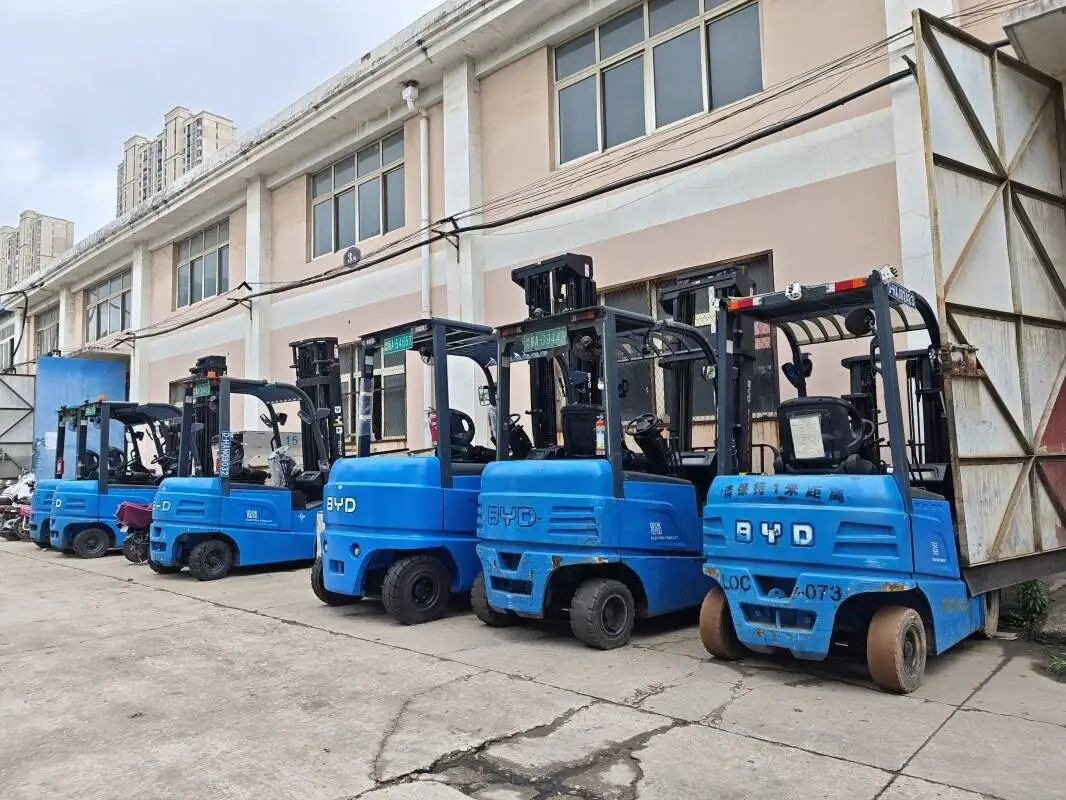
Investing in a used forklift can be a cost-effective solution for businesses needing material handling equipment, but determining its true value requires a thorough assessment of several critical factors. Understanding these elements ensures you either pay a fair price as a buyer or get the best return as a seller.
The first and most influential factor is usage hours and age. Unlike many heavy machinery, a forklift’s hours of operation often matter more than its manufacturing year. A three-year-old forklift with 10,000 hours of intense outdoor use may have more wear than a five-year-old model used only 4,000 hours in an indoor warehouse. High-hour forklifts typically show greater wear on engines, transmissions, and hydraulic components, so closely examining the hour meter and cross-referencing it with usage patterns is essential.
Next, the mechanical condition of the forklift directly impacts its valuation. Start with a visual inspection: check for signs of hydraulic fluid leaks, rust on the frame, or worn tire treads. Then, conduct a functional test: listen for unusual noises when starting the engine, test the responsiveness of brakes and steering, and verify that the lifting mechanism operates smoothly without delays. Any unresolved mechanical issues, such as faulty sensors or a weak battery in electric models, will significantly reduce the forklift’s worth, as buyers will factor in repair costs.
Forklift type and specifications also play a key role. Different types, such as electric, gasoline, or diesel-powered models, have varying market values based on operating costs and environmental requirements. Additionally, specifications like load capacity, lifting height, and specialized features (such as cold-storage compatibility) affect demand. A forklift designed to handle heavy loads or operate in extreme conditions may retain more value if it’s in good shape, as it caters to a niche but necessary market segment.
Maintenance and service records are another critical consideration. A well-documented history of regular oil changes, filter replacements, and component repairs indicates that the forklift was properly cared for. Such records reassure buyers that the equipment is less likely to encounter unexpected breakdowns, making it more valuable. Conversely, a lack of maintenance records can raise red flags, leading buyers to offer a lower price to account for potential unforeseen issues.
Finally, market demand and current industry trends influence used forklift value. In regions where warehouse and logistics sectors are booming, electric forklifts may command higher prices due to their eco-friendly and low-noise operation. On the other hand, specialized forklifts with limited applications may have a smaller buyer pool, reducing their market value. Researching local market listings and speaking with industry professionals can help you gauge the current demand for specific forklift types.
By evaluating all these factors holistically, you can arrive at an accurate and fair valuation of a used forklift. Whether you’re buying or selling, taking the time to assess each element ensures you make an informed decision that aligns with your business needs and financial goals.