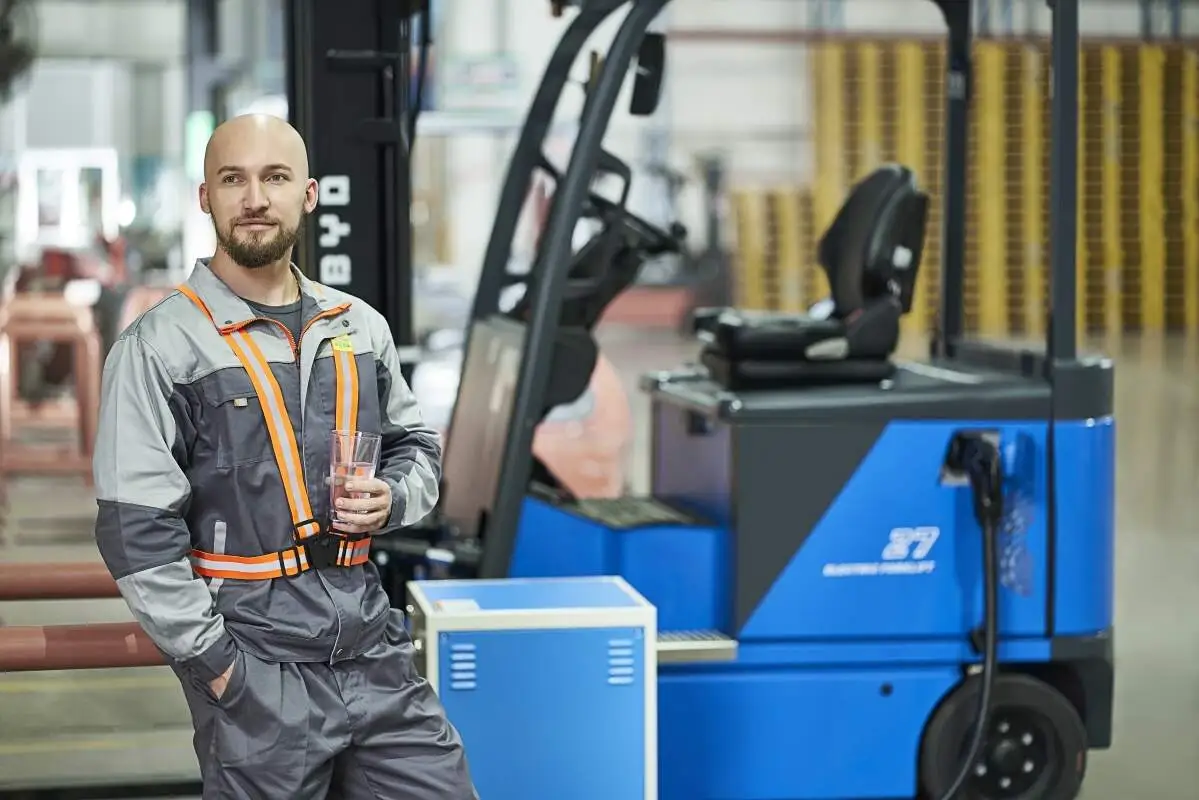
Operating a sit-down forklift safely and efficiently starts with a thorough understanding of its control system. Whether you’re a new operator or refreshing your skills, knowing each control’s function and how to use it in sequence is essential to prevent accidents and optimize productivity in warehouse or industrial settings.
Core Control Components
The control system of a sit-down forklift is designed to balance functionality and ease of use, with key components that every operator must master:
- Steering Wheel: Similar to a standard vehicle, the steering wheel controls the forklift’s direction. Unlike passenger cars, forklifts use rear-wheel steering, which can feel counterintuitive initially. Practicing low-speed maneuvers in open areas helps build muscle memory for precise turns.
- Accelerator and Brake Pedals: The accelerator pedal regulates forward and reverse speed, while the brake pedal slows or stops the vehicle. Most models feature a separate parking brake lever, typically located near the operator’s seat, which must be engaged whenever the forklift is parked for extended periods.
- Fork and Mast Control Levers: Mounted on the dashboard or a side console, these levers manage the movement of the forks and mast. The lift lever raises the forks, the lower lever lowers them, and the tilt lever adjusts the mast’s angle—tilting backward stabilizes loads during transport, while tilting forward helps with loading and unloading.
- Auxiliary Controls: Some models include optional controls like a side-shift lever, which allows the forks to move left or right without repositioning the entire forklift, and a horn button to alert nearby workers of your presence.
Step-by-Step Operational Procedures
Following a structured process ensures safe and efficient operation:
1. Pre-Operation Inspection: Before starting the forklift, conduct a quick check of all controls. Test the steering, brakes, and levers to confirm no parts are stuck or unresponsive. This simple step helps catch potential issues before they lead to accidents.
2. Startup and Gear Selection: Fasten your seatbelt, turn the ignition key (or engage the power switch for electric models) to start the engine. Release the parking brake, then use the gear selector lever to shift into forward or reverse. Always check your surroundings before moving.
3. Load Handling: Approach the load slowly, aligning the forks with the pallet openings. Use the lift lever to raise the forks just enough to clear the ground—keeping loads low during transport maintains the forklift’s stability. Tilt the mast backward slightly once the forks are under the load to prevent slipping.
4. Parking Shutdown: When finished, lower the forks fully to the ground, shift into neutral, engage the parking brake, and turn off the engine. Remove the key if required, and ensure the area around the forklift is clear of obstacles.
Critical Safety Guidelines
Safety should always be the top priority when operating a sit-down forklift:
- Keep hands and feet inside the operator’s compartment at all times while the forklift is in motion to avoid injury from moving parts or obstacles.
- Avoid abrupt control movements—sudden acceleration, braking, or fork adjustments can cause the forklift to tip or the load to shift.
- Never exceed the forklift’s rated load capacity, as this compromises stability and increases the risk of tipping.
- Stay aware of your surroundings: watch for other workers, low overhead clearances, and uneven surfaces that could affect the forklift’s balance.
Mastering sit-down forklift controls requires practice and consistent adherence to safety protocols. By familiarizing yourself with each component and following proper operational steps, you can operate the forklift confidently, minimize risks, and contribute to a safe, productive work environment.