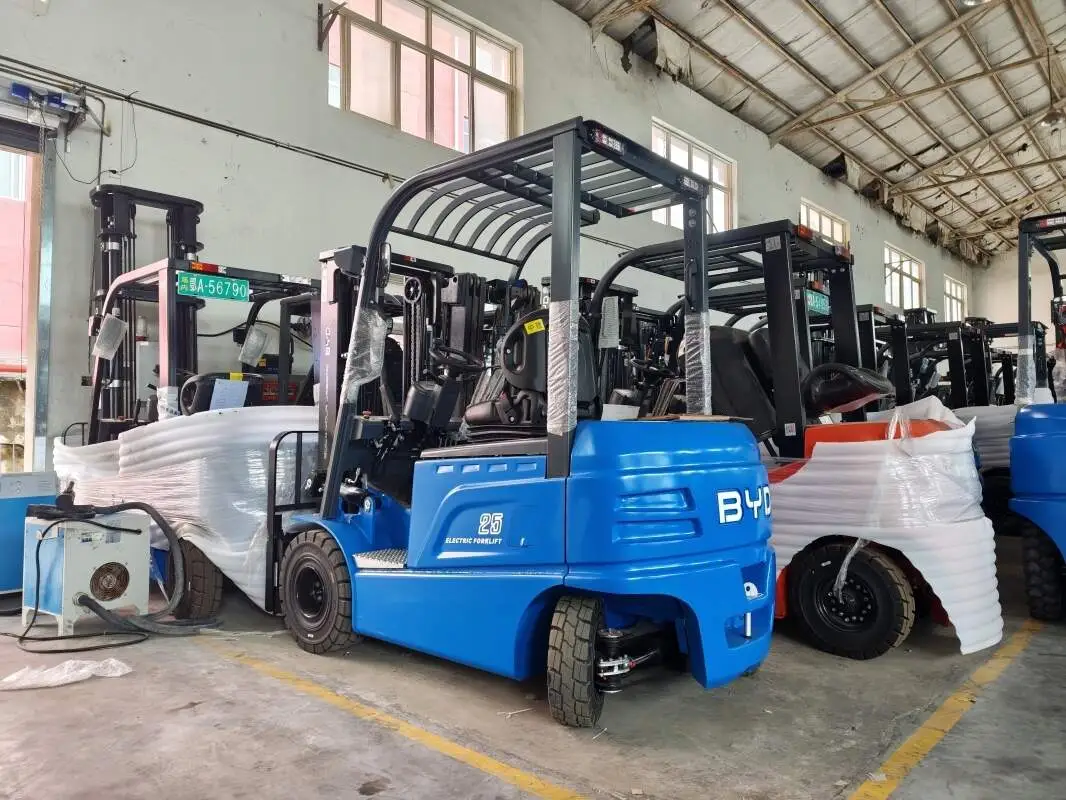
When it comes to equipping forklifts for reliable industrial operations, understanding the parameters of solid tires is crucial, especially for the widely used 28x9-15 specification. This type of tire is designed to meet the demands of various work environments, from indoor warehouses to outdoor construction sites, and its parameters directly influence performance, safety, and service life.
Size Parameters
The designation "28x9-15" carries specific size information that defines compatibility with forklift models. The first number, 28, refers to the overall diameter of the tire in inches, ensuring it aligns with the forklift’s wheel well and ground clearance requirements. The middle number, 9, represents the width of the tire tread, which contributes to stability during load transportation by distributing weight across a wider surface area. The final number, 15, indicates the diameter of the wheel hub that the tire fits, a critical factor for seamless installation and consistent rotation. Matching these size parameters to your forklift’s specifications is essential to avoid operational issues such as uneven wear or steering difficulties.
Load Capacity Parameters
Load capacity is a core parameter that determines the tire’s ability to support heavy weights safely. For 28x9-15 solid forklift tires, the load rating typically varies based on usage conditions. Static load capacity refers to the maximum weight the tire can bear when the forklift is stationary, while dynamic load capacity applies to moving operations. In general, these tires are engineered to handle moderate to heavy loads, making them suitable for forklifts used in material handling tasks involving pallets, crates, or bulk goods. It is important to adhere to the specified load limits to prevent tire deformation, structural damage, or safety hazards during operation.
Material and Durability Parameters
Solid forklift tires of the 28x9-15 specification are constructed using a blend of natural and synthetic rubber, with added reinforcing materials to enhance durability. The rubber compound is formulated to balance flexibility and hardness; a moderate Shore hardness range ensures good shock absorption for indoor smooth surfaces, while a higher hardness provides enhanced resistance to abrasion on rough outdoor terrain. The thickness of the tread layer and sidewall also contributes to durability, with thicker components offering longer service life in high-wear environments. Additionally, the absence of an inner tube eliminates the risk of punctures, a key advantage over pneumatic tires in areas with sharp debris.
Performance Parameters
Several performance parameters define how the 28x9-15 solid tire operates in different scenarios. Rolling resistance measures the force required to move the tire, with lower resistance reducing energy consumption and improving forklift efficiency, especially in long-distance indoor operations. Slip resistance is another critical parameter, with tread patterns designed to provide traction on wet or slippery surfaces, minimizing the risk of skidding during load transport. Heat resistance is also important, as continuous operation can generate heat; the rubber compound is engineered to dissipate heat effectively, preventing premature degradation and maintaining performance over extended work shifts.
By understanding these key parameters of 28x9-15 solid forklift tires, operators and fleet managers can make informed decisions when selecting or replacing tires, ensuring optimal performance, safety, and cost-effectiveness for their material handling operations.