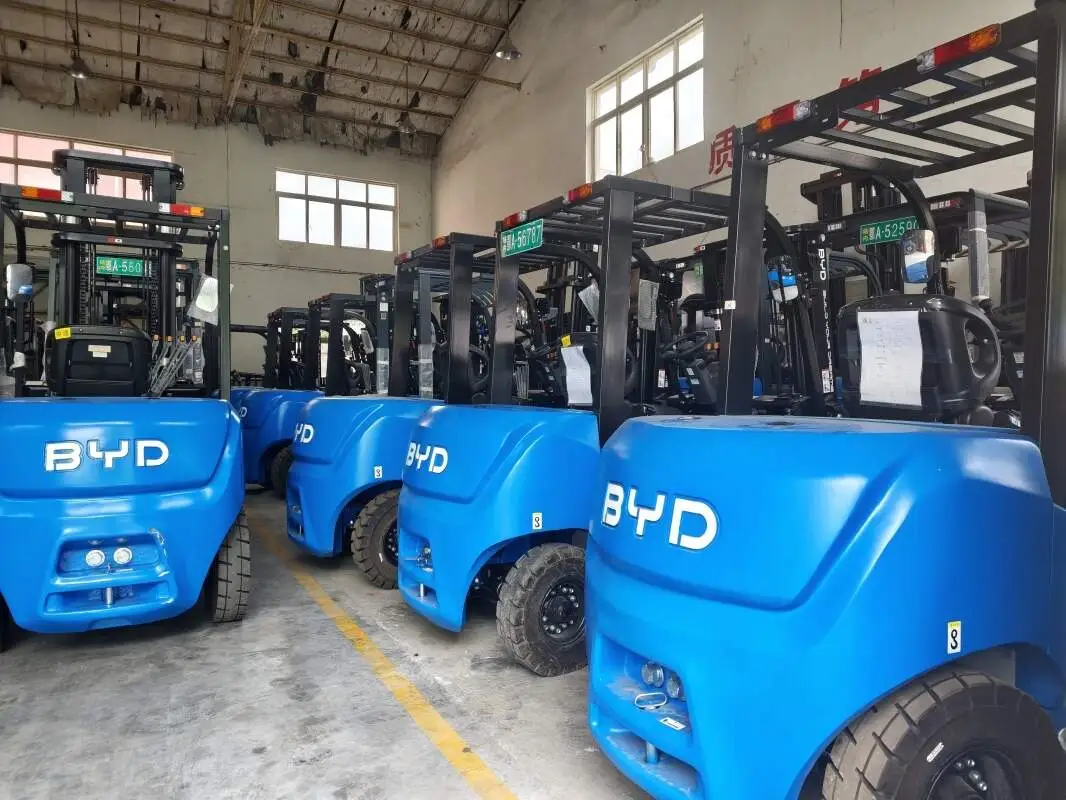
Long-time idle storage can significantly impact the performance and lifespan of electric forklifts if not handled properly. As professionals focusing on electric forklifts, we’ve compiled essential precautions to help you maintain your equipment during extended periods of inactivity.
First and foremost, battery management is critical, as the battery is the core component determining overall functionality. Before storing your forklift, charge the battery to 50%-70% of its capacity; this avoids both overcharging that damages internal structures and deep discharging that reduces service life. Disconnect the battery terminals to prevent parasitic drain, and clean terminals with a dry cloth to remove dust or corrosion. Additionally, check the battery every 30 days and recharge it if voltage drops below the recommended range to keep it in optimal condition.
Next, pay close attention to the storage environment. Electric forklifts should be stored in a dry, well-ventilated area with a stable temperature, ideally between 0℃ and 40℃. Extreme temperatures accelerate battery degradation and cause metal components to rust. Avoid placing the forklift in direct sunlight or near corrosive substances like chemicals or oil, as these harm the body and electrical systems. Ensure the storage area has a flat, solid floor, and use wooden blocks to elevate the forklift slightly to prevent tire deformation from long-term pressure.
Proper vehicle protection is also essential. Thoroughly clean the entire forklift before storage, removing dirt, debris, and residual materials from forks and the body. Apply a protective cover to shield the equipment from dust and moisture. Lubricate key moving parts, including mast chains, steering components, and lift cylinders, to prevent rust and ensure smooth operation when the forklift returns to use. Check tire pressure and adjust it to the manufacturer’s recommended level; underinflated tires may deform if left under load for extended periods.
Finally, regular inspections are necessary even during idle storage. Conduct a monthly check to monitor battery voltage, tire condition, and any signs of rust or damage on the body. Every quarter, perform a comprehensive inspection: test the braking system for proper response, check the steering mechanism for flexibility, and verify all electrical connections are secure. These checks help identify potential issues early, avoiding costly repairs later.
If you need professional guidance on storing your BYD electric forklift, Jianshu New Energy specializes in BYD electric forklifts. Our expert team can provide tailored advice to ensure your equipment remains in top condition during idle periods. Feel free to contact us at 17399989919@163.com for support.