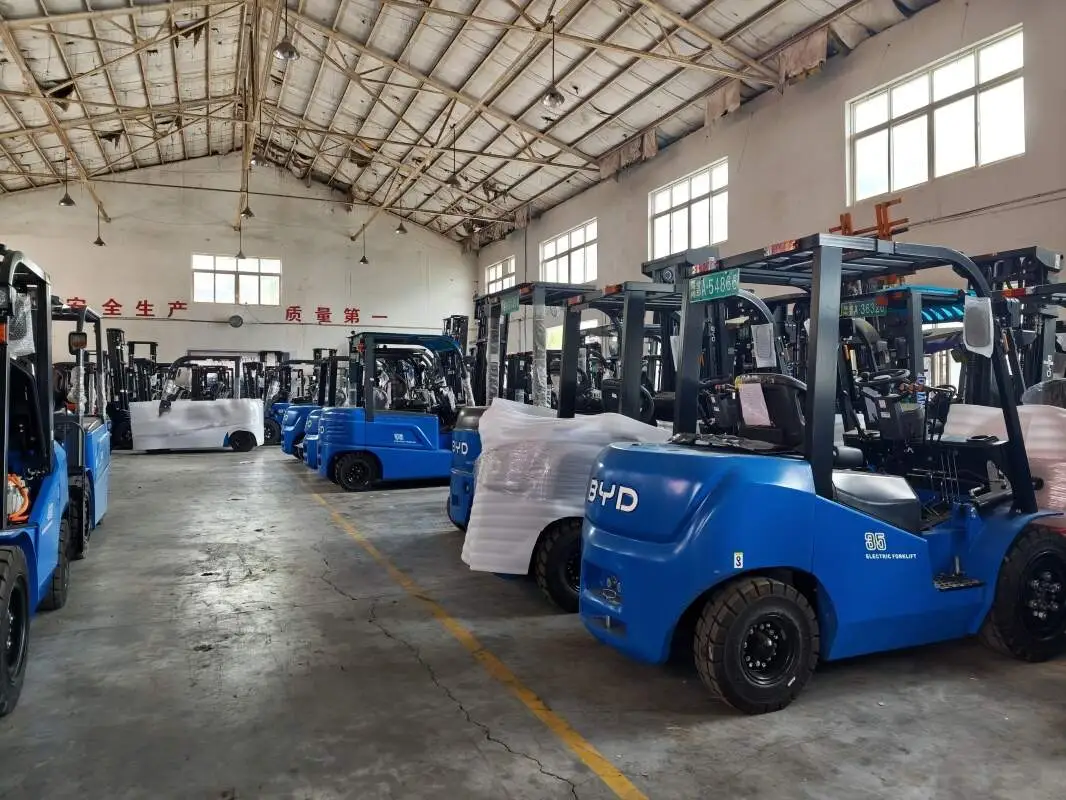
Forklifts are critical assets in warehouses, distribution centers, and manufacturing facilities, where even short periods of downtime can lead to lost productivity and revenue. Choosing the right on-site forklift repair service is therefore essential to keep operations running smoothly and protect your equipment investment. Here are key points to consider when evaluating potential service providers.
First, prioritize response time. When a forklift breaks down, every minute counts. Reputable on-site repair services understand this and offer prompt, reliable response windows tailored to your operational needs. For businesses operating round-the-clock, 24/7 support may be non-negotiable to minimize disruption. Look for providers that guarantee a specific response timeframe, ensuring technicians arrive on-site quickly to diagnose and address issues without unnecessary delays.
Second, verify technician expertise. The skill level of the repair team directly impacts the quality and efficiency of the service. Technicians should have comprehensive training across various forklift types, including electric, diesel, and propane-powered models, as well as experience with common issues like hydraulic system failures, electrical malfunctions, and engine problems. Ask about their certifications and track record with equipment similar to yours—well-trained professionals can accurately identify root causes and implement long-lasting solutions, reducing the risk of repeat breakdowns.
Third, demand service transparency. A trustworthy repair service will provide clear, upfront pricing before any work begins, avoiding vague quotes or hidden fees. They should take the time to explain the problem in plain language, outline the repair process, and share recommendations for preventive measures to avoid future issues. Transparent communication helps you make informed decisions, plan your budget effectively, and build confidence in the provider’s reliability.
Fourth, check spare parts availability. On-site repairs can be delayed if technicians don’t have access to the right parts. Reputable services maintain an inventory of common spare components to minimize wait times, while also having established supply chains to source less common parts quickly. Ensure the provider uses high-quality, compatible parts that meet manufacturer standards, as substandard components can compromise the forklift’s performance and shorten its lifespan.
Finally, evaluate ongoing maintenance support. The best on-site repair services go beyond fixing immediate issues—they offer proactive maintenance plans tailored to your forklift’s usage and manufacturer guidelines. Regular inspections, tune-ups, and preventive care can catch minor problems before they escalate into major breakdowns, extend the equipment’s lifespan, and optimize its performance. Choosing a provider that offers both repair and ongoing maintenance creates a comprehensive solution for keeping your forklifts in top condition.
By carefully considering these essential points, you can select an on-site forklift repair service that aligns with your operational needs, minimizes downtime, and ensures your critical equipment remains reliable for years to come.