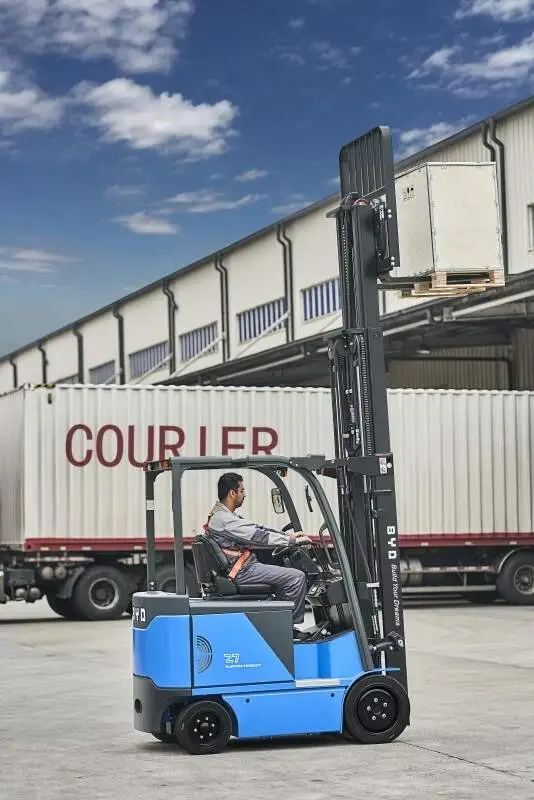
Forklifts are workhorses in warehouses, construction sites and industrial facilities, operating in environments with constant exposure to dust, debris, oil spills and frequent use. Over time, this harsh usage can take a toll on the original forklift seat, leading to tears, fading and reduced comfort. Investing in a wear-resistant seat cover is a cost-effective way to protect the underlying seat, extend its lifespan and enhance operator comfort. However, choosing the right cover requires careful consideration of several key factors.
Material Selection: Prioritize Durability for Specific Environments
The material of the seat cover is the foundation of its wear resistance. Heavy-duty canvas is a popular choice for environments with high levels of dust and debris, as it is thick, tear-resistant and can withstand frequent abrasion. Vinyl seat covers, on the other hand, excel in areas prone to oil spills and moisture—they are waterproof, easy to wipe clean and resist staining. Polyester blends offer a balance between durability and flexibility, providing resistance to fraying while offering a comfortable, slightly stretchy fit. When selecting materials, match the cover to the specific conditions your forklift operates in; for example, a vinyl cover is ideal for food processing facilities where spills are common, while canvas works better in outdoor construction sites.
Proper Fit: Avoid Sliding and Unnecessary Wear
A well-fitted seat cover is crucial to maximize wear resistance. Ill-fitting covers that slide around during operation can cause friction against the original seat and the cover itself, leading to premature wear. To ensure a proper fit, measure your forklift seat’s dimensions, including seat width, depth and backrest height. Look for covers designed to fit your forklift’s seat type—some options offer adjustable straps or elastic edges to secure the cover in place, preventing movement during shifts. Custom-fitted covers provide the best fit, but high-quality universal covers with secure fastening systems can also work effectively if measured correctly.
Durability-Enhancing Features
Beyond the base material, additional features can boost the cover’s longevity. Reinforced stitching at high-stress points, such as seat edges and backrest corners, prevents seams from splitting under repeated use. Edge binding, made from heavy-duty materials, protects the cover’s most vulnerable areas from fraying and tearing. Some covers also include a wear-resistant coating on the surface, which adds an extra layer of protection against scratches and scuffs. When evaluating options, inspect these details to ensure the cover is built to withstand the rigors of daily forklift operation.
Ease of Maintenance: Simplify Cleaning and Upkeep
In industrial settings, seat covers will inevitably get dirty. Choosing a cover that is easy to clean and maintain helps preserve its condition over time. Vinyl and certain polyester blends can be wiped down with a damp cloth and mild detergent to remove oil, dust and stains quickly. Canvas covers may require occasional machine washing, but ensure they are designed to handle repeated washing without losing their shape or durability. Avoid covers that trap dirt in hard-to-reach crevices, as accumulated debris can accelerate wear and make cleaning a hassle.
Ergonomic Comfort: Balance Durability with Operator Wellbeing
While wear resistance is the primary goal, don’t overlook ergonomic comfort. Forklift operators spend hours seated each day, so a seat cover should provide sufficient cushioning and support. Look for covers with a padded layer that maintains its shape over time, avoiding flat, thin padding that offers little comfort. Breathable materials are also important, especially in warm environments, as they help reduce sweat buildup and keep operators comfortable during long shifts. A cover that combines durability with ergonomic design not only protects the seat but also supports operator productivity and morale.
By taking these factors into account—material suitability, proper fit, durability features, maintenance ease and ergonomic comfort—you can select a wear-resistant forklift seat cover that meets your operational needs. Investing in a high-quality cover will not only save you money on seat replacements but also create a more comfortable and productive work environment for forklift operators.