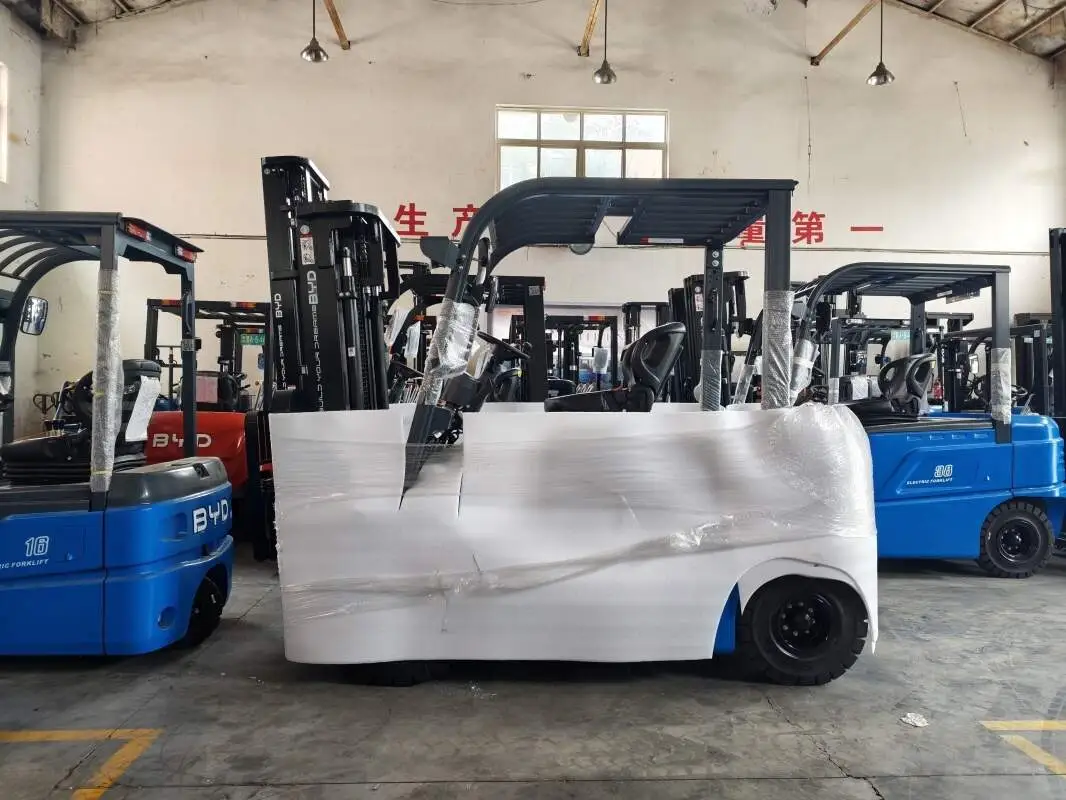
forklift fork extensions are widely used to handle long, oversized loads that exceed the length of standard forklift forks, but their installation comes with strict safety restrictions to mitigate risks of accidents, equipment damage, and injury. Understanding and adhering to these rules is critical for every forklift operator and maintenance team.
First and foremost, load capacity restrictions are non-negotiable. When installing fork extensions, the combined weight of the load, extensions, and standard forks must never exceed the forklift’s rated load capacity as specified by the manufacturer. Additionally, extensions themselves have their own load limits, which may be lower than the forklift’s capacity. Due to the increased length of the forks, the load center shifts forward, reducing the forklift’s stable lifting capacity. Operators must consult relevant industry standards to calculate the adjusted safe load limit and avoid overloading, which can lead to tip-overs or structural failure of the forks.
Proper alignment and secure installation are also key safety restrictions. Fork extensions must be fully seated on the standard forks, with no gaps between the extension and the fork’s backrest. Misalignment can cause the load to shift unexpectedly during operation. Temporary fastening methods, such as ropes or wire, are strictly prohibited; only industry-standard fasteners should be used to secure the extensions in place. After installation, operators must check that the extensions do not wobble or slide when pressure is applied, as loose extensions can detach mid-operation, causing catastrophic incidents.
Pre-installation and post-installation inspection restrictions are essential to catch potential issues before they become hazards. Before installing extensions, inspect both the extensions and the standard forks for signs of damage, including cracks, bending, corrosion, or worn-out components. Damaged forks or extensions must not be used, as they can fail under load. After installation, conduct a visual inspection and functional test: lift a light load to verify that the extensions remain secure and that the forklift operates smoothly. Regular inspections during use are also required, as vibrations from operation can loosen fasteners over time.
Finally, operational restrictions apply once extensions are installed. Forklift operators must avoid using extensions for purposes they were not designed for, such as lifting personnel or handling loads that are wider than the extensions can safely support. The increased fork length affects the forklift’s maneuverability, so operators must reduce speed, especially when turning or navigating tight spaces. Visibility may also be impaired by longer forks, so operators should take extra care to check blind spots and communicate with nearby workers.
By following these safety restrictions, organizations can ensure that forklift fork extensions are used safely, reducing the risk of workplace accidents and protecting both personnel and equipment. Regular training for operators on extension installation and safe operation is a critical complement to these rules, ensuring everyone understands their responsibilities in maintaining a safe work environment.