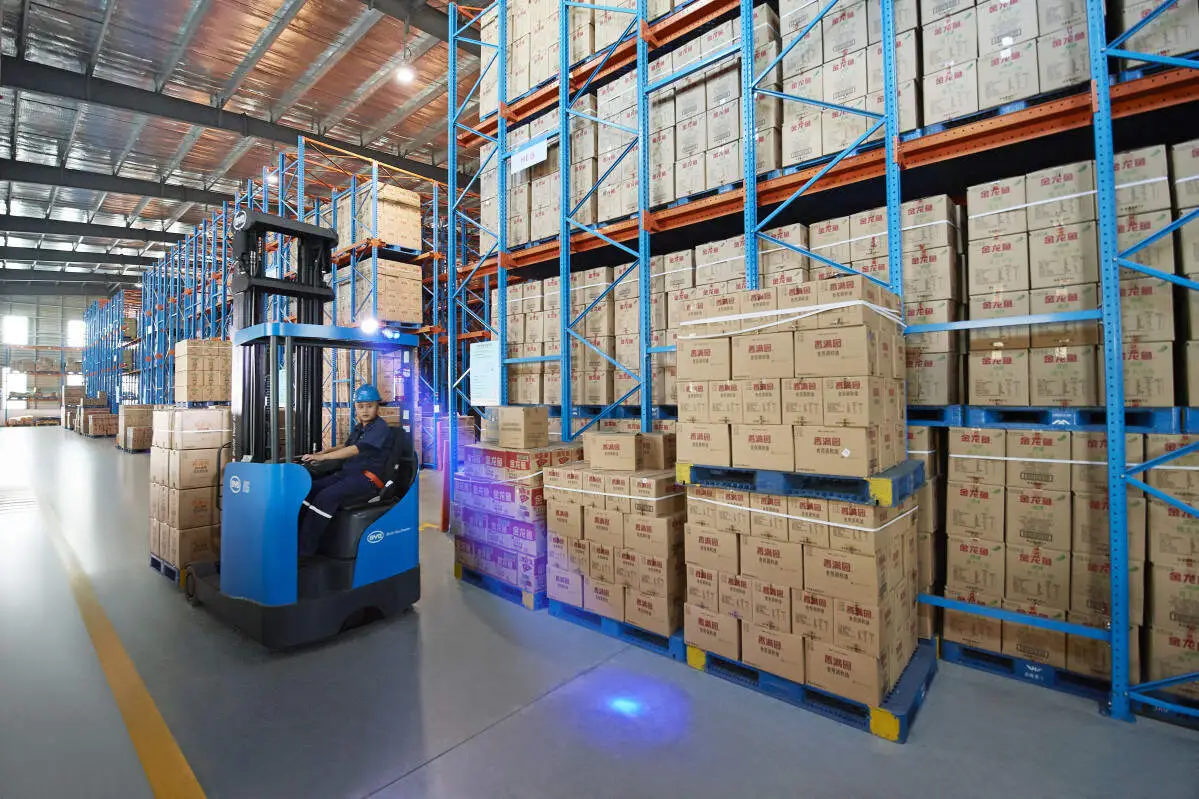
As enterprises increasingly adopt shared-use electric forklift units to optimize operational costs and enhance warehouse efficiency, establishing a clear equipment handover process has become critical to mitigating safety risks, reducing equipment downtime, and ensuring consistent performance. Without structured handover protocols, shared forklifts can suffer from unreported damage, inconsistent maintenance, and operator confusion—issues that directly impact productivity and workplace safety.
The first step to building an effective handover process is developing a standardized checklist tailored to electric forklift operations. This checklist should cover pre-use and post-use inspections to ensure no critical detail is overlooked. For pre-use checks, operators should verify battery charge levels to avoid mid-shift power loss, brake responsiveness, tire integrity, and the functionality of essential safety features like horns, lights, and seatbelts. Post-use checks should include confirming the forklift is parked in a designated, secure area, removing any debris from the forks, and documenting any visible damage or performance issues encountered during use. Making this checklist easily accessible—whether printed at forklift stations or available via a mobile app—ensures all operators follow the same standards.
Next, defining clear responsibility boundaries eliminates ambiguity between outgoing and incoming operators. The outgoing operator bears the responsibility of completing the post-use checklist, reporting any faults immediately, and ensuring the forklift is left in a safe, usable condition. The incoming operator must conduct a thorough review of the checklist, physically inspect the equipment to cross-verify reported details, and sign off on the handover to acknowledge acceptance of the forklift’s condition. Supervisors should also be assigned to conduct periodic audits of handover logs to ensure compliance and address any recurring issues promptly.
Investing in operator training programs is another key component of a robust handover process. All operators, regardless of experience level, should receive training on how to properly execute handover procedures, identify common electric forklift issues, and accurately fill out documentation. Refresher training sessions every quarter help reinforce these practices, especially as new operators join the team or forklift operations evolve. This training not only ensures consistency but also empowers operators to take ownership of equipment care.
Maintaining detailed handover records is essential for tracking equipment health and resolving disputes. Whether using digital logging systems or paper-based logs, records should include the time of handover, the names of outgoing and incoming operators, the results of the checklist inspection, and any notes on damage or performance concerns. These records serve as a valuable resource for maintenance teams to schedule repairs, for managers to identify patterns of misuse, and for resolving any disagreements about when damage occurred.
Finally, enterprises should conduct regular reviews of the handover process to adapt to changing operational needs. Monthly meetings with supervisors and operators can gather feedback on what works well and what needs improvement. For example, if operators report that the checklist is too time-consuming, adjustments can be made to streamline non-critical items while retaining essential safety checks. Continuous refinement ensures the process remains effective and aligned with the enterprise’s evolving warehouse operations.
For enterprises seeking reliable shared-use electric forklift solutions, 尖树新能源 specializes in BYD electric forklifts, offering tailored support to help you build and implement efficient equipment management processes. Reach out at 17399989919@163.com to learn more.