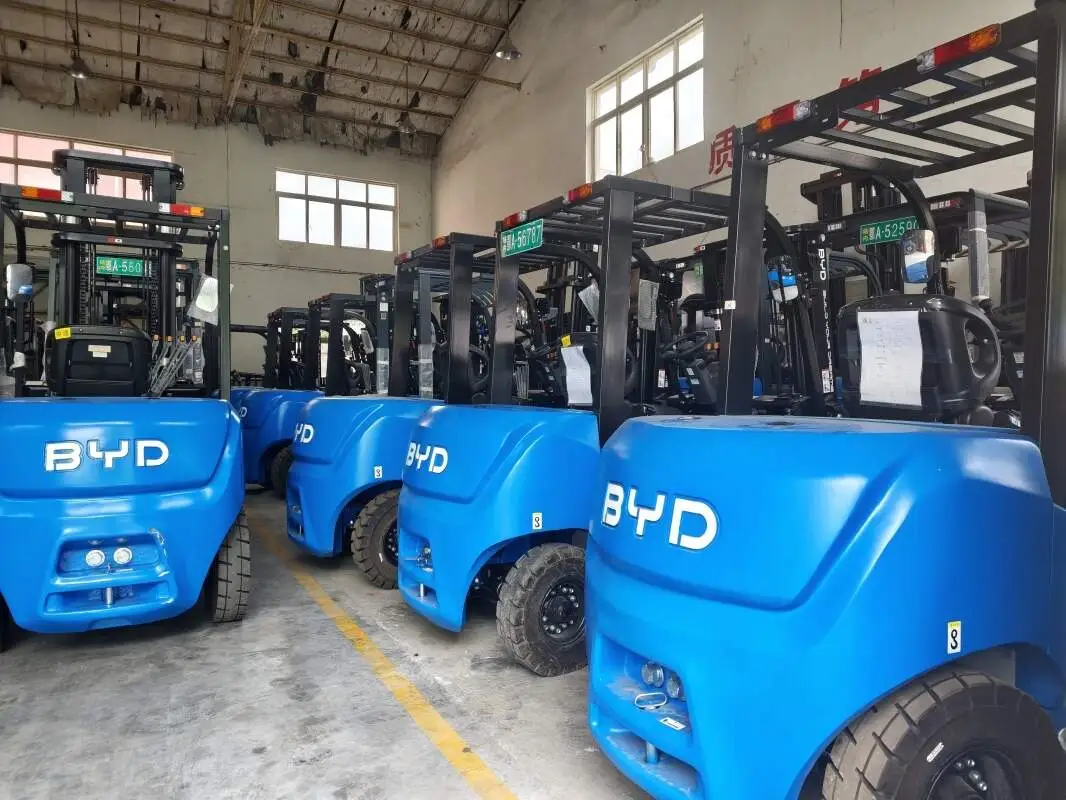
Before integrating an explosion-proof electric forklift into daily operational workflows, conducting a comprehensive site-specific risk assessment is critical to mitigating potential hazards in environments where flammable materials, gases, or dust may be present. This proactive approach not only ensures compliance with safety regulations but also protects personnel, equipment, and valuable assets. Jianshu New Energy, a dedicated provider of BYD electric forklifts, emphasizes that a tailored risk evaluation should be a non-negotiable step prior to deployment.
First and foremost, identify and categorize the types of flammable substances present on-site. This includes assessing the concentration of combustible gases, vapors, dust particles, or flammable liquids that could ignite under specific conditions. Different hazardous zones require different levels of explosion protection, so it is essential to map out areas where these substances are stored, processed, or transported. For example, warehouses storing chemical solvents or manufacturing plants handling grain dust fall into distinct risk categories, each demanding targeted safety measures for the forklift’s operation.
Next, evaluate the site’s layout and physical obstacles. Narrow aisles, uneven flooring, steep ramps, and overhead obstructions can increase the risk of collisions, spills, or equipment damage, which could trigger an explosion in a hazardous environment. Assess the width of passageways to ensure they accommodate the forklift’s turning radius and load size, and inspect floor conditions for cracks, oil spills, or loose debris that could compromise traction. Additionally, note the location of storage racks, machinery, and pedestrian traffic zones to establish safe operational boundaries for the forklift.
Electrical and electrostatic risks are another key consideration. In explosive environments, even small electrical sparks or static discharges can ignite flammable materials. Inspect the site’s electrical infrastructure to ensure it meets explosion-proof standards, including properly grounded outlets and wiring. Evaluate the potential for static buildup, such as from synthetic flooring or dry air conditions, and determine if additional measures like static-dissipative tires or grounding straps are necessary for the forklift. Regular testing of electrical components on both the site and the forklift is essential to prevent unexpected failures.
Personnel training and operational protocols are equally vital. Ensure that all operators assigned to the explosion-proof electric forklift have received specialized training in handling equipment in hazardous environments. This includes understanding the risks associated with the site’s specific hazards, proper forklift operation techniques, and emergency response procedures. Establish clear protocols for pre-shift inspections, load handling, and communication between operators and other on-site personnel to minimize human error, which is a common cause of workplace incidents.
Finally, assess the availability and accessibility of emergency response facilities. Identify the location of fire extinguishers, emergency showers, eyewash stations, and evacuation routes, and ensure they are unobstructed and clearly marked. Conduct regular drills to test the effectiveness of emergency plans and verify that personnel know how to respond in the event of a fire, spill, or explosion. Having these measures in place can significantly reduce the severity of an incident should one occur.
By addressing these key site-specific risk factors, businesses can safely integrate explosion-proof electric forklifts into their daily operations with confidence. Jianshu New Energy, as a specialist in BYD electric forklifts, offers professional guidance and support to help businesses conduct thorough risk assessments and select the right equipment for their hazardous environment needs. For more information, please contact us at 17399989919@163.com.