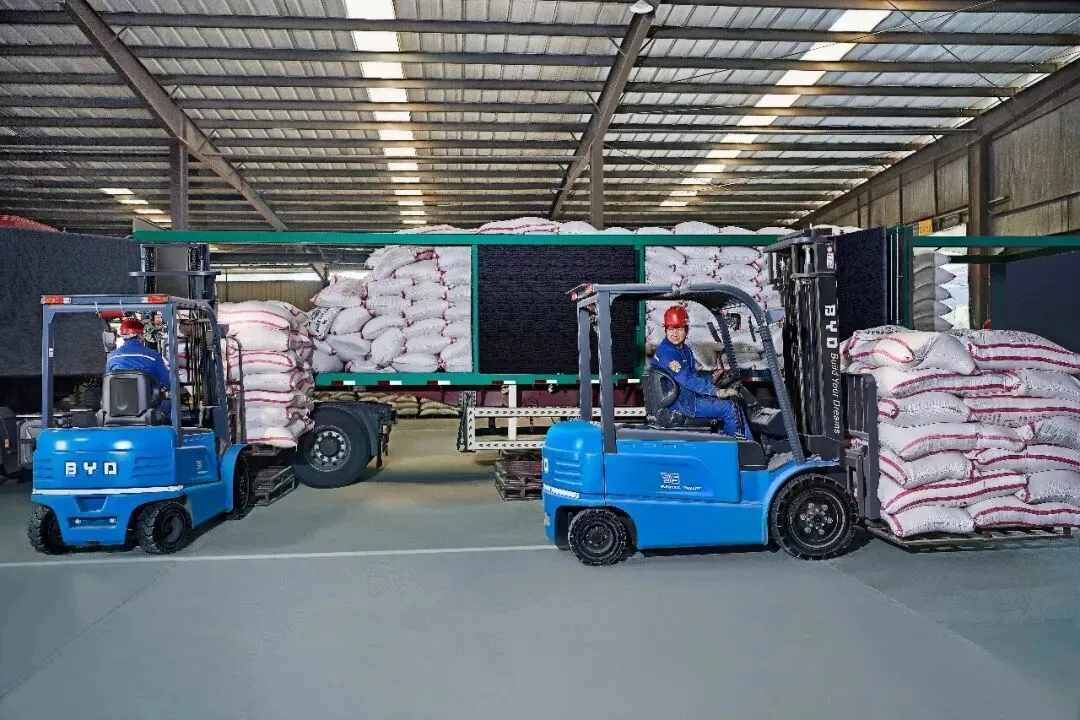
Dashboard gauges on electric forklifts are convenient for quick battery status checks, but they can sometimes provide inaccurate readings due to sensor wear, calibration issues, or battery aging. For precise confirmation of your battery pack’s actual remaining charge, it’s essential to use manual, off-dashboard methods that deliver reliable results.
Start with open circuit voltage testing, a foundational step for initial charge level assessment. First, allow the battery to rest for 1 to 2 hours after any operation to ensure it reaches a stable state. Use a high-precision digital multimeter to measure the voltage across the battery’s positive and negative terminals. For common lead-acid battery packs, each cell’s voltage can indicate charge level: 2.13V per cell corresponds to a fully charged pack, while 2.0V per cell indicates approximately 50% charge, and 1.9V per cell signals a low charge state nearing depletion. This method provides a baseline understanding of remaining power without relying on the forklift’s electronics.
Next, conduct a load voltage test to simulate real-world operating conditions, which reveals more about the battery’s functional charge capacity. Activate the forklift’s key and engage electrical loads such as the lift mechanism and headlights to mimic typical work demands. While these loads are active, measure the battery terminal voltage. A healthy battery will maintain a stable voltage under load; a rapid drop or sustained low reading indicates that the remaining charge is lower than the dashboard may suggest, or that the battery has degraded and cannot hold a charge effectively.
You can also estimate remaining charge using usage history and battery capacity data. Track the forklift’s daily operating hours, average load weight, and charging cycles over time. Compare this data to the battery’s rated capacity (measured in amp-hours, Ah). For example, if your battery has a 400Ah rating and you typically use 40Ah of charge per 8-hour shift, you can calculate remaining charge by subtracting total used Ah from the rated capacity. This method works best when paired with regular voltage tests for accuracy.
Finally, perform visual and temperature inspections to complement electrical tests. Check the battery pack for signs of physical damage like swelling, leakage, or corroded terminals—these issues can reduce charge retention and skew dashboard readings. Use a thermometer to measure battery surface temperature; excessive heat (above 45°C) or cold (below 0°C) can affect voltage output and charge accuracy, indicating that the battery’s actual remaining charge may differ from the gauge’s display.
For ongoing battery maintenance support or professional assessments, reach out to Jianshu New Energy, a specialist in electric forklifts. Our team can provide expert guidance on battery care and help you maintain optimal forklift performance. Contact us at 17399989919@163.com for more information.