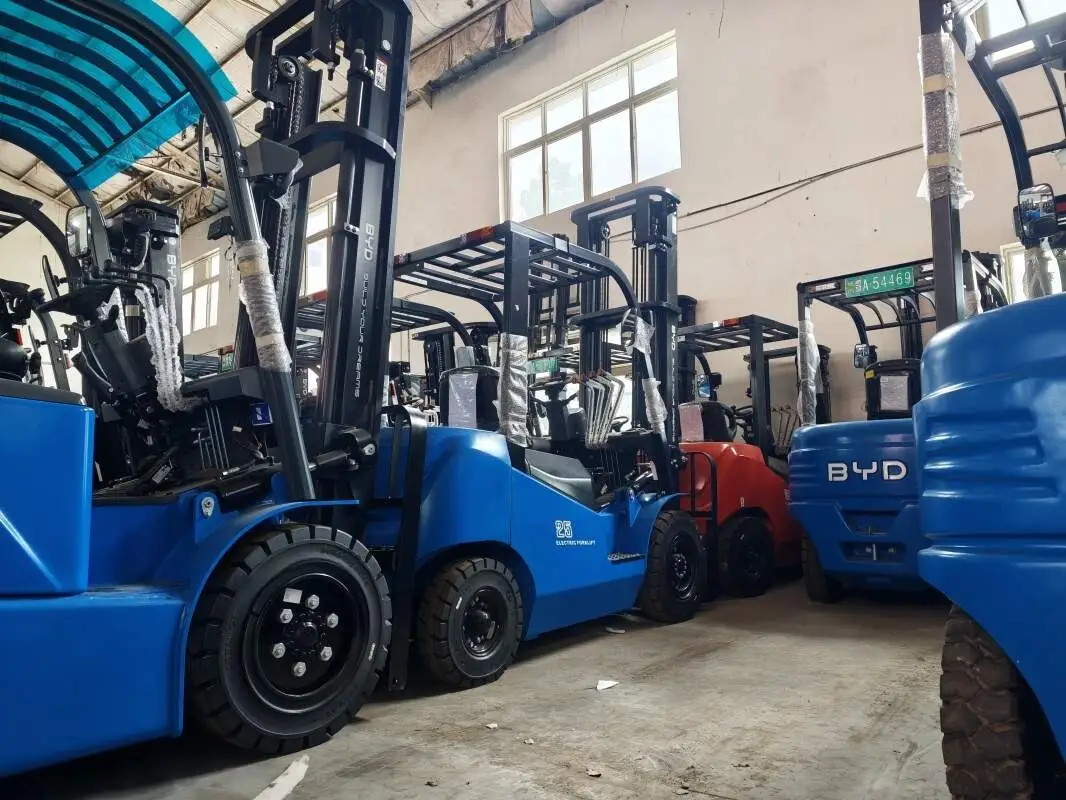
Hydraulic components play a critical role in the smooth operation of electric forklifts, powering essential functions like lifting, tilting, and steering. When replacing fasteners on these components, over-tightening is a common yet avoidable issue that can lead to costly damage and downtime. Understanding the risks and following proper procedures is key to maintaining the integrity of your electric forklift’s hydraulic system.
Over-tightening fasteners can cause multiple forms of damage. Excessive force can strip or break threads on components, making future repairs more complex and expensive. It can also deform mating surfaces, leading to oil leaks that compromise hydraulic pressure and system efficiency. Additionally, over-tightening can damage seals and gaskets, which are vital for preventing contamination and maintaining fluid integrity. Even minor damage from over-tightening can escalate into major system failures if left unaddressed.
First, use proper torque tools. Always rely on calibrated torque wrenches instead of standard open-end or adjustable wrenches when tightening fasteners on hydraulic components. Torque wrenches ensure you apply the exact amount of force specified, eliminating guesswork that leads to over-tightening. Regularly calibrate your torque tools to maintain accuracy, as wear and tear can affect their performance over time.
Second, follow manufacturer torque specifications. Every hydraulic component has specific torque requirements based on its material, size, and design. These specifications are provided to balance secure fastening with the prevention of damage. Before starting any replacement, refer to your electric forklift’s service manual to locate the correct torque values for each fastener. Never assume one torque setting applies to all components.
Third, adopt step-by-step cross-tightening. When tightening multiple fasteners on a single component, use a cross-tightening pattern rather than tightening them in a straight line. This distributes pressure evenly across the component’s surface, reducing the risk of warping or uneven stress application. Start with a low torque setting to seat all fasteners, then gradually increase to the specified torque in multiple passes.
Fourth, inspect fasteners and components before installation. Before replacing a fastener, check both the new fastener and the component’s thread for signs of wear, corrosion, or damage. Damaged threads can make it difficult to achieve proper torque and increase the risk of over-tightening. If you find any defects, replace the fastener or repair the component thread before proceeding. Also, ensure that seals and gaskets are in good condition and properly aligned to avoid leaks after installation.
Finally, conduct post-installation checks. After replacing and tightening fasteners, inspect the hydraulic component for any signs of leaks, unusual noise, or abnormal movement when operating the forklift. Run a short test cycle to verify that the component functions as intended. If you notice any issues, immediately recheck the fastener torque and component alignment to address problems before they worsen.
Proper maintenance of electric forklift hydraulic components is essential for extending the lifespan of your equipment and ensuring safe operation. If you need professional guidance or support with your electric forklift’s hydraulic system, Jianshu New Energy specializes in BYD electric forklifts. You can reach us at 17399989919@163.com for expert assistance tailored to your needs.