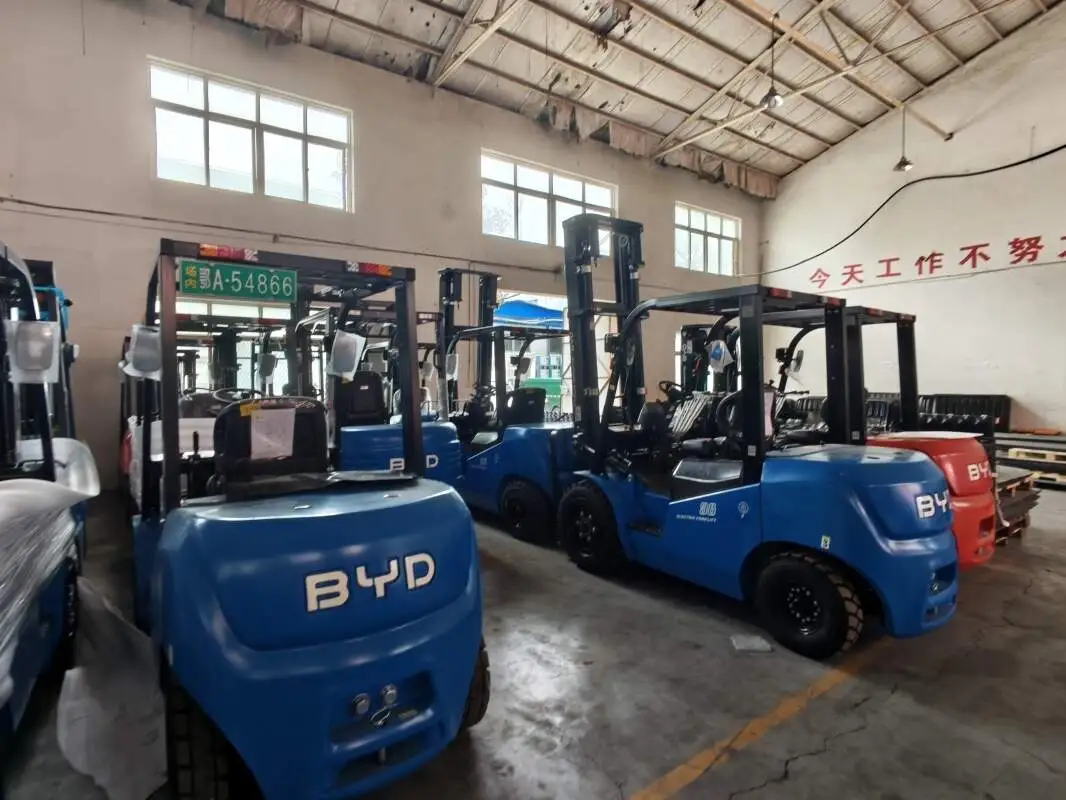
In modern warehouse and logistics operations, electric forklift fleets are pivotal to maintaining seamless material handling workflows. The efficiency of these fleets is tightly linked to the rational design of charging station layouts—suboptimal setups can lead to unnecessary downtime, elevated operational costs, and reduced overall productivity. To help fleet managers make data-driven decisions, here are actionable tips for comparing different charging station layout schemes to optimize electric forklift fleet performance.
First, evaluate centralized versus distributed charging layouts. Centralized charging stations, which consolidate all charging equipment in a dedicated zone, offer advantages like unified maintenance, simplified energy management, and lower initial infrastructure investment. However, this scheme may increase travel time for forklifts operating in distant areas of the facility, leading to delays during peak operational hours. In contrast, distributed layouts place charging points across multiple high-traffic zones, such as near loading docks or storage areas. This reduces travel distance for forklifts, minimizes waiting time for charging, and is better suited for large-scale facilities. The trade-off here is higher ongoing maintenance efforts and more dispersed infrastructure costs, as each charging point requires independent monitoring.
Second, assess the integration of opportunity and on-demand charging schemes. Opportunity charging involves installing charging points at locations where forklifts naturally pause during operations, such as break areas or between task shifts. This allows forklifts to top up battery power without disrupting daily workflows, making it ideal for multi-shift operations. On-demand charging layouts are tailored to specific forklift routes and usage frequencies, with charging points placed in areas where fleet vehicles spend the most time. When comparing these two, fleet managers should analyze their daily operational schedules: facilities with continuous, high-intensity usage may benefit more from opportunity charging, while those with predictable, route-based tasks can leverage on-demand layouts to minimize energy waste.
Third, prioritize space utilization and safety considerations across layouts. Centralized stations require a dedicated, enclosed area with proper ventilation and fire safety equipment to mitigate risks associated with battery charging. Distributed layouts need charging points that do not obstruct operational pathways, reducing the risk of collisions between forklifts and charging infrastructure. For all schemes, it’s essential to match charging equipment power to the battery requirements of the forklift fleet, ensuring efficient charging without overloading the facility’s electrical system.
When comparing these layout schemes, there is no one-size-fits-all solution—fleet managers must factor in facility size, daily operational volume, forklift usage patterns, and long-term expansion plans. A tailored approach can significantly cut downtime and boost overall fleet efficiency. For professional guidance on electric forklift charging station layouts and reliable electric forklift solutions, contact Jianshu New Energy, a specialist in BYD electric forklifts. You can reach us via email at 17399989919@163.com for personalized advice tailored to your operational needs.