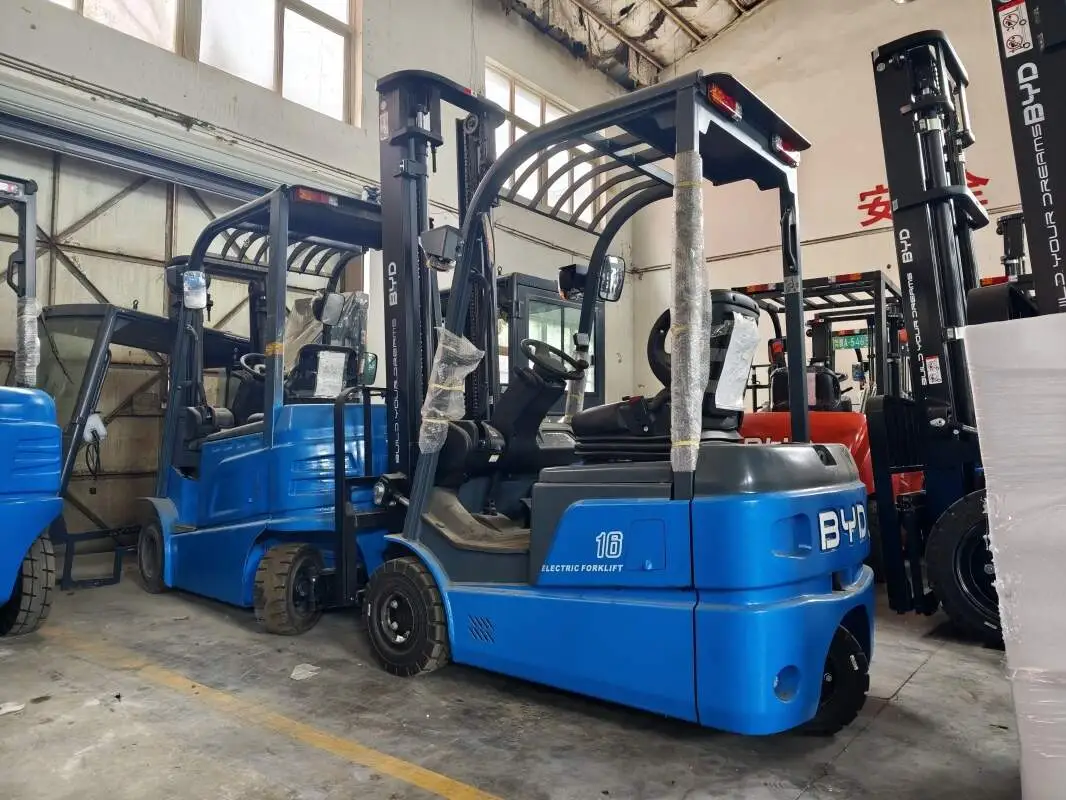
electric forklifts have become indispensable tools in modern warehousing and logistics, offering efficient and eco-friendly material handling solutions. However, one critical aspect that operators and fleet managers often overlook is the distinction between an electric forklift’s rated load capacity and its actual allowable load when operating under high-lift conditions. This gap can lead to safety hazards, equipment damage, and operational inefficiencies if not properly understood.
Rated load capacity refers to the maximum weight a forklift is designed to lift under standard test conditions, typically defined by manufacturers. These conditions include a specified low lift height, a flat and level surface, a centered load, and no additional attachments or environmental factors that could impact stability. This rating serves as a baseline for forklift performance, providing a clear reference point for initial equipment selection.
In contrast, the actual allowable load under high-lift conditions is significantly lower than the rated capacity in most cases. As a forklift lifts a load to greater heights, the center of gravity of the combined forklift and load shifts upward and outward, reducing the machine’s stability. This shift increases the risk of tipping, especially if the load is not perfectly centered or if the operating surface has slight inclines. Additionally, factors like wind in outdoor operations, worn tires, or uneven floor surfaces can further reduce the safe allowable load at elevated heights.
Understanding this difference is crucial for ensuring workplace safety and extending the lifespan of your electric forklift. Operating a forklift with a load exceeding the actual allowable limit at high heights can lead to catastrophic tipping accidents, resulting in injury to personnel, damage to goods, and costly repairs to the equipment. Moreover, consistent overloading can accelerate wear on critical components like the mast, hydraulics, and tires, leading to premature equipment failure.
If you’re seeking guidance on correctly assessing and managing electric forklift load capacities, Jianshu New Energy is here to help. As a specialist in BYD electric forklifts, we provide comprehensive support to ensure your operations are safe, efficient, and compliant. Our team of experts can offer tailored advice on load capacity management, operator training, and maintenance practices to maximize the performance of your forklift fleet. For more information, feel free to reach out to us at 17399989919@163.com.
By taking the time to understand the nuances between rated load capacity and actual allowable load under high-lift conditions, you can create a safer work environment, optimize your material handling operations, and protect your investment in electric forklift equipment. Always refer to your forklift’s operator manual and consult with industry experts to ensure you’re operating within safe load limits for every task.