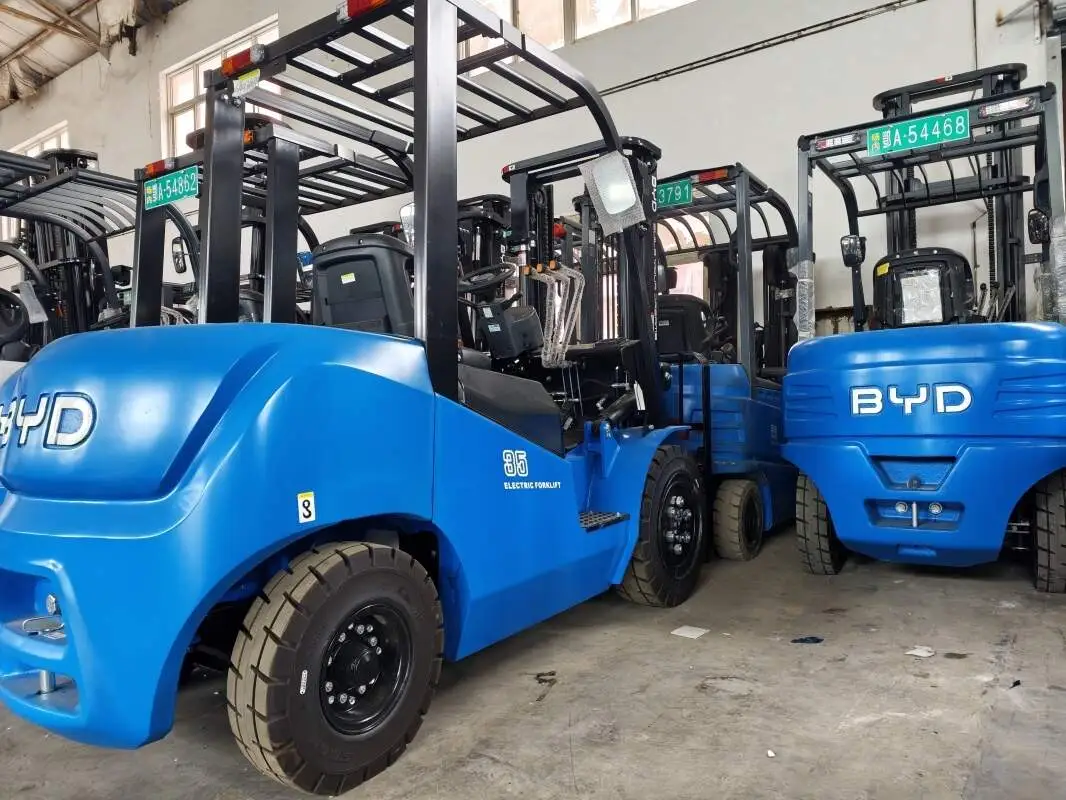
In modern warehouse operations, the turning radius of an electric forklift is a critical factor that directly impacts operational efficiency, space utilization, and workplace safety. Choosing an electric forklift with an inappropriate turning radius can lead to wasted space, increased risk of collisions, and reduced productivity. As an electric forklift expert, this guide will walk you through practical steps to confirm the right turning radius requirement for your warehouse.
First, assess your warehouse layout thoroughly. Conduct a detailed survey to measure aisle widths, distances between storage racks, and available space around loading docks and turning zones. Narrow aisles demand forklifts with a smaller turning radius for smooth maneuvering, while wider open areas can accommodate models with a larger radius. Pay close attention to fixed obstacles like support columns, utility cabinets, or permanent equipment, as these will restrict available turning space and must be factored into your calculations.
Next, consider cargo dimensions and handling needs. The size, weight, and shape of the goods you regularly handle influence the required turning radius. Forklifts carrying large or bulky loads may need a larger radius to maintain stability during turns, preventing cargo shifts or tipping hazards. If your warehouse frequently handles long items such as pipes or lumber, account for the extra length when evaluating turning space to avoid scraping cargo or damaging warehouse infrastructure.
Then, evaluate operational flow and safety standards. Analyze your warehouse’s daily workflow to understand how forklifts interact with other equipment and personnel. If multiple forklifts operate simultaneously, ensure the turning radius allows safe navigation without interfering with ongoing operations. Adhere to local workplace safety regulations that specify minimum clearance requirements for forklift movements. A well-calculated turning radius not only boosts efficiency but also minimizes accident risks involving forklifts, staff, and inventory.
Finally, verify with simulated testing. After initial calculations, conduct a simulated test using a forklift with a similar turning radius to your required specification. This hands-on assessment helps identify overlooked obstacles or space constraints that could affect real-world operations. Observe how the forklift navigates tight corners, approaches storage racks, and maneuvers around loading areas to confirm the turning radius meets your practical needs.
When seeking an electric forklift that aligns with your turning radius requirements, Jianshu New Energy specializes in BYD electric forklifts, offering reliable models tailored to diverse warehouse layouts and operational demands. For more information or expert consultation, please reach out to us via email at 17399989919@163.com. By following these practical steps, you can ensure your electric forklift’s turning radius perfectly matches your warehouse’s needs, enhancing overall operational efficiency and workplace safety.