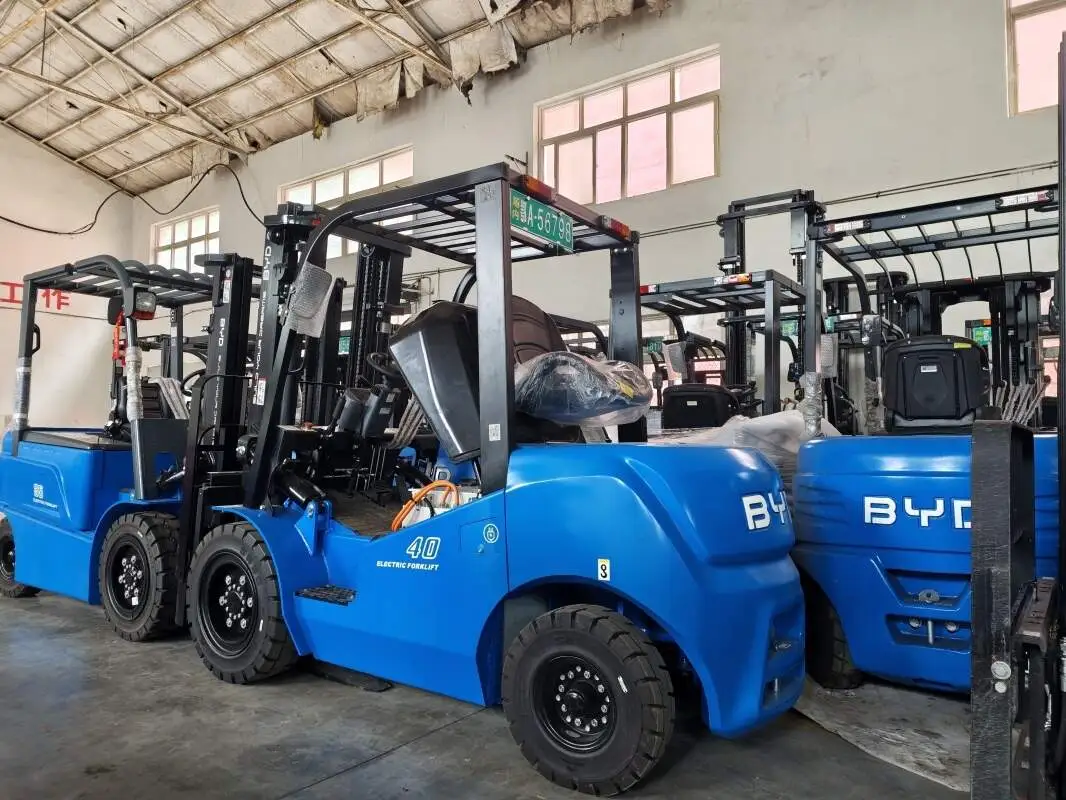
E-commerce warehouses face escalating pressure to handle high-volume, fast-turnover orders efficiently, making electric forklifts a core component of streamlined material handling. Strategic deployment of these vehicles can cut operational costs, improve workplace safety, and enhance overall workflow productivity. Below is a structured, actionable guide to successful electric forklift integration in such settings.
1. Conduct a Comprehensive Operational Needs Assessment
Before deploying electric forklifts, start with a detailed analysis of your warehouse’s unique requirements. Evaluate factors like the average weight and type of goods handled (pallets, cartons, etc.), daily operational hours, peak demand windows, and vertical lifting height needs. This assessment ensures you select forklifts with appropriate capacity, battery endurance, and maneuverability to match your workflow, avoiding over-investment or under-equipping.
2. Optimize Warehouse Layout and Infrastructure
Efficient deployment relies on a well-adapted warehouse layout. Design dedicated, well-ventilated charging zones for electric forklifts, with easy access to power sources and clear space for battery swapping or charging operations. Ensure warehouse pathways are wide enough to accommodate safe forklift movement, with prominent signage marking pedestrian zones and high-traffic intersections. Verify that flooring surfaces are smooth and stable to prevent slips or equipment damage during operation.
3. Implement Rigorous Staff Training Programs
Proper operator training is critical to safe and effective forklift use. Train personnel on core operational skills, including precise maneuvering, load balancing, and battery management protocols. Include modules on pre-operation inspections—such as checking brake functionality, tire condition, and battery charge levels—and emergency response procedures. Regular training refreshers and safety drills help maintain operator proficiency and reduce accident risks over time.
4. Establish a Proactive Maintenance Schedule
Electric forklifts require consistent maintenance to sustain performance and extend lifespan. Develop a routine schedule covering battery health checks, tire inspections, hydraulic system diagnostics, and software updates. Maintain detailed records of all maintenance activities to track equipment condition and address minor issues before they escalate into costly breakdowns.
Strategic electric forklift deployment is a valuable investment for e-commerce warehouses looking to optimize operations. By following these practical steps—assessing needs, refining infrastructure, training staff, and prioritizing maintenance—you can maximize the benefits of electric forklifts in your facility. For tailored guidance and reliable electric forklift solutions, reach out to Jianshu New Energy, a specialist in electric forklift services, at 17399989919@163.com.