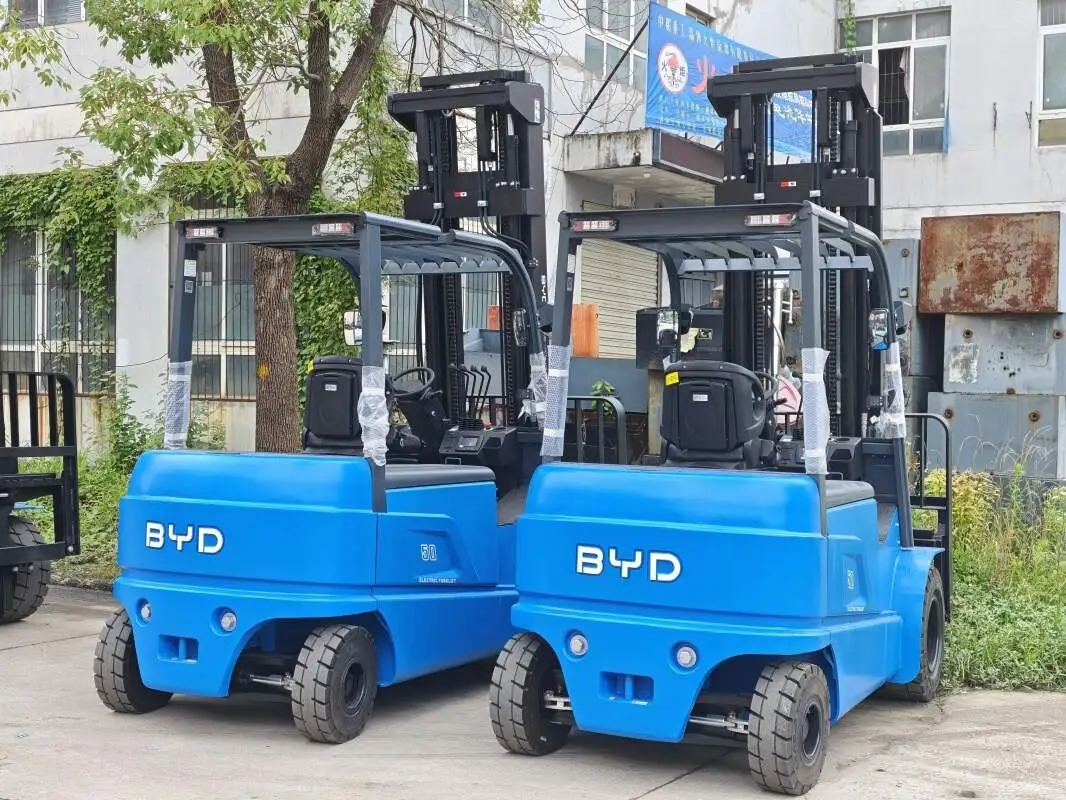
As businesses increasingly shift towards sustainable material handling solutions, brand-new electric forklifts have emerged as a reliable choice for warehouses, distribution centers, and manufacturing facilities. However, making an informed investment requires a clear understanding of the main cost components involved. Jianshu New Energy, a specialist in electric forklifts, is here to guide you through these key considerations.
The most immediate cost when investing in a new electric forklift is the equipment purchase price. This varies significantly based on factors such as load capacity, lifting height, battery type, and additional features like side shifters or cabin enclosures. Opting for a forklift that aligns with your specific operational needs—rather than overinvesting in unnecessary capabilities—can help keep this cost in check. It’s important to evaluate your daily tasks, typical load sizes, and facility layout to select a model that balances performance and affordability.
Next, charging infrastructure costs play a critical role in the total investment. Installing dedicated charging stations, upgrading electrical circuits to support higher power demands, and potentially adding fast-charging capabilities can add to the initial expense. The layout of your facility will influence the number of stations needed, as well as the complexity of wiring installations. Jianshu New Energy can provide expert advice on designing a charging setup that meets your operational schedule and budget.
Maintenance and repair costs are another essential component to factor in. While electric forklifts generally require less maintenance than their internal combustion counterparts—thanks to fewer moving parts and no need for oil changes or fuel filter replacements—regular upkeep is still necessary. This includes routine battery inspections, motor maintenance, brake checks, and software updates. Budgeting for these periodic services, along with occasional unexpected repairs, ensures your forklift remains in optimal working condition over its lifespan.
Operational costs should also be considered for long-term budgeting. These include electricity costs for charging batteries, which are typically lower than the fuel costs for traditional forklifts, especially when leveraging off-peak electricity rates. Additionally, you may need to account for battery replacement costs after several years of use, as well as training expenses for your staff to operate and maintain the electric forklift safely and efficiently.
By taking all these cost components into account, businesses can develop a comprehensive budget that maximizes the return on investment in electric forklift equipment. Whether you’re looking to upgrade your existing fleet or invest in your first electric forklift, Jianshu New Energy, a specialist in BYD electric forklifts, offers tailored solutions to meet your needs. For more information, reach out to us at 17399989919@163.com.