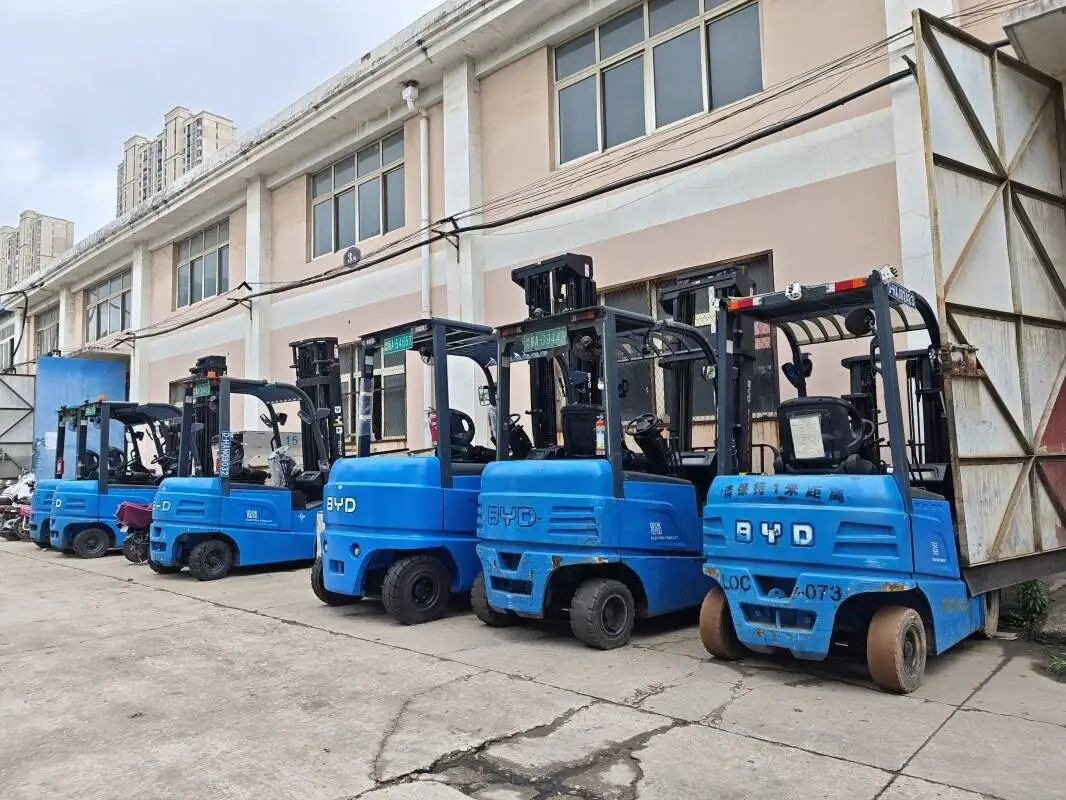
electric forklifts have become indispensable tools on construction work sites, streamlining material handling and boosting operational efficiency. However, their heavy-duty nature and the dynamic, often cluttered environment of construction sites pose inherent safety risks. Adhering to strict safety operation protocols is not just a regulatory requirement but a fundamental step to protect workers, prevent property damage, and ensure smooth site operations. Jianshu New Energy, a specialist in BYD electric forklifts, emphasizes the following critical safety reminders to help teams operate these machines responsibly.
Before starting any shift, operators must conduct a comprehensive pre-operation check of the electric forklift. This includes examining the battery’s charge level to avoid unexpected power loss mid-task, inspecting brakes for responsiveness, checking tire pressure and condition to ensure stable maneuvering on uneven construction terrain, and verifying that all lights, horns, and warning signals are functioning properly. Any defects identified during this check should be reported immediately to the maintenance team; operating a faulty forklift can lead to severe accidents.
Proper load handling is a cornerstone of electric forklift safety on construction sites. Operators must never exceed the forklift’s rated load capacity, as overloading can compromise stability and lead to tip-overs. When picking up loads, ensure they are centered on the forks and securely positioned to prevent shifting during transport. Avoid lifting loads to excessive heights when navigating through congested areas or uneven ground. Additionally, operators should always tilt the mast slightly backward to maintain load balance while moving.
Construction sites are characterized by uneven ground, loose debris, and constantly changing layouts. Operators must adjust their driving speed accordingly, reducing speed in tight spaces, around blind corners, and on slippery surfaces. Always stay alert to overhead obstacles such as scaffolding, power lines, or crane arms, and maintain a safe distance from other machinery, workers, and excavation zones. Using designated pathways whenever possible helps minimize the risk of collisions and ensures orderly traffic flow on the site.
Only trained and certified personnel should operate electric forklifts. Regular refreshers on safety protocols are essential to keep operators updated on new site-specific regulations and best practices. Operators must wear appropriate personal protective equipment (PPE), including hard hats, steel-toe boots, and high-visibility vests, to protect themselves in case of accidents. Never leave a forklift unattended with the engine running or the forks raised; always park it in a designated area, set the parking brake, and lower the forks to the ground.
Routine maintenance is vital to keep electric forklifts in optimal working condition. Jianshu New Energy recommends following the manufacturer’s maintenance schedule, which includes regular battery checks, brake adjustments, and lubrication of moving parts. Proper storage of electric forklifts in a dry, secure area when not in use helps prevent damage to the battery and other components. If you’re looking for reliable BYD electric forklifts or need guidance on maintenance, reach out to Jianshu New Energy at 17399989919@163.com for professional support.
By prioritizing these safety operation reminders, construction teams can significantly reduce the risk of accidents and create a safer work environment for everyone. Remember, safe operation of electric forklifts is a collective responsibility—operators, supervisors, and maintenance teams all play a crucial role in upholding these standards.