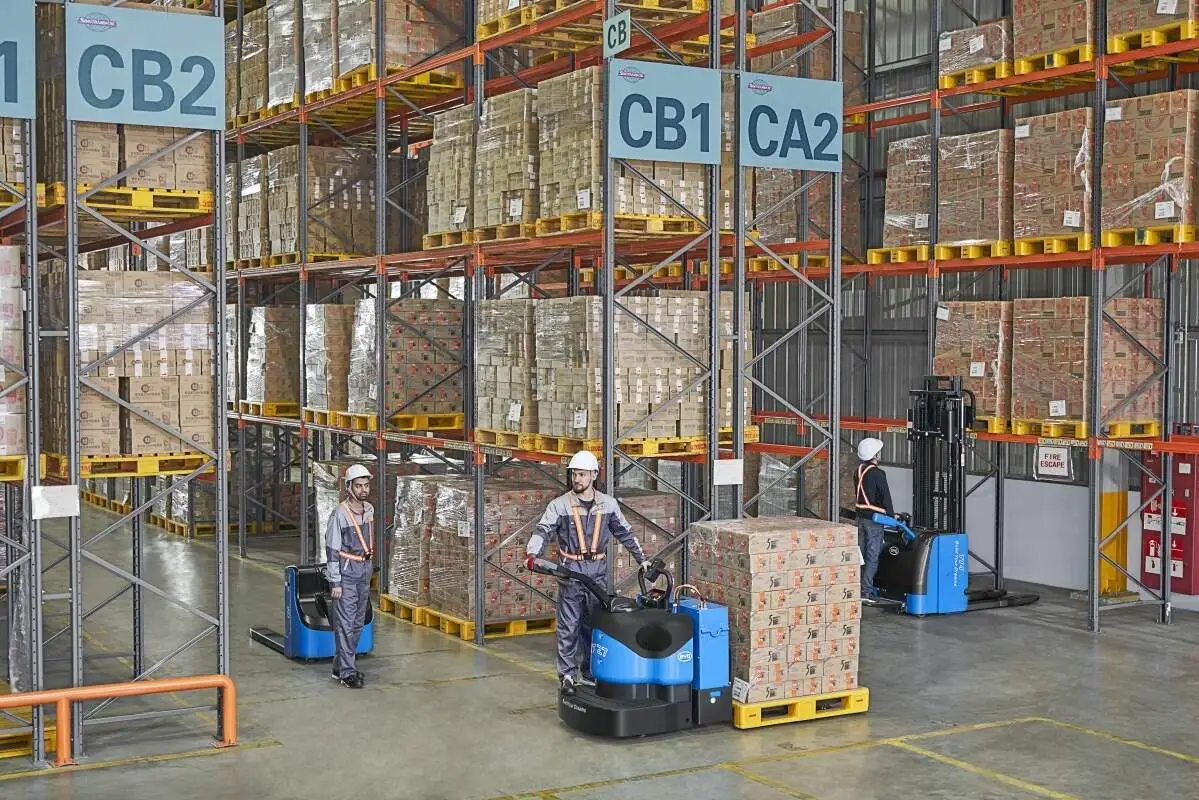
Electric warehouse forklifts are essential workhorses for modern logistics and storage operations, streamlining material handling tasks while reducing carbon footprints. However, their safe and efficient operation relies heavily on regular, systematic inspections to identify potential issues before they escalate into safety hazards or costly downtime. A practical inspection checklist serves as a critical tool to ensure these forklifts remain in optimal condition, protecting both operators and workplace assets.
Before each shift or operation, operators must conduct a thorough pre-use inspection to verify the forklift is safe to operate. Start with the battery system: check for any signs of corrosion, loose connections, or leakage, as damaged batteries can pose fire risks or reduce performance. Next, test the braking system—press the brake pedal firmly to ensure it engages smoothly and brings the forklift to a complete stop without hesitation. Inspect the steering mechanism as well, confirming it responds promptly without excessive play or unusual noises. Don’t overlook visual checks of the forks: ensure they are straight, free of cracks, and properly secured to the carriage. Finally, verify that all safety features, such as the horn, reverse alarm, and seatbelt, are functioning correctly.
Beyond pre-use checks, daily maintenance inspections help catch minor issues early before they develop into major problems. Examine the tires for wear, punctures, or uneven tread, which can affect stability and maneuverability, especially when navigating narrow warehouse aisles. Check all lighting components—headlights, taillights, and turn signals—to ensure they are bright and operational, a key requirement for safe operation in low-light storage areas. Inspect the hydraulic system for leaks or unusual sounds when lifting or lowering loads, as hydraulic failures can lead to sudden load drops that endanger personnel and inventory. Also, clean the forklift’s controls and operator cabin to remove dust and debris that could interfere with precise operation.
For long-term reliability and compliance with safety standards, scheduled in-depth inspections should be performed at set intervals based on usage hours. These checks focus on critical components that are not easily visible during daily routines. Inspect the electric motor and wiring system for frayed wires, loose terminals, or signs of overheating, which can indicate electrical problems that may cause unexpected breakdowns. Examine the mast and lifting chains for wear, stretching, or damage, ensuring they are properly lubricated to prevent friction-related issues. Additionally, test the forklift’s load capacity by lifting a rated load to confirm the lifting mechanism operates smoothly and maintains stability throughout the lift. It’s also important to check the battery’s charging system to ensure it’s delivering the correct voltage and charging efficiently to avoid premature battery degradation.
Documenting every inspection is a key part of maintaining compliance with workplace safety regulations. Keep a detailed log that records inspection dates, specific findings, and any repairs or maintenance performed. This log not only helps track the forklift’s condition over time but also provides evidence of proactive safety measures in case of audits or incidents. By following a practical inspection checklist consistently, warehouse managers and operators can minimize safety risks, extend the lifespan of electric forklifts, and ensure uninterrupted, efficient material handling operations across the facility.