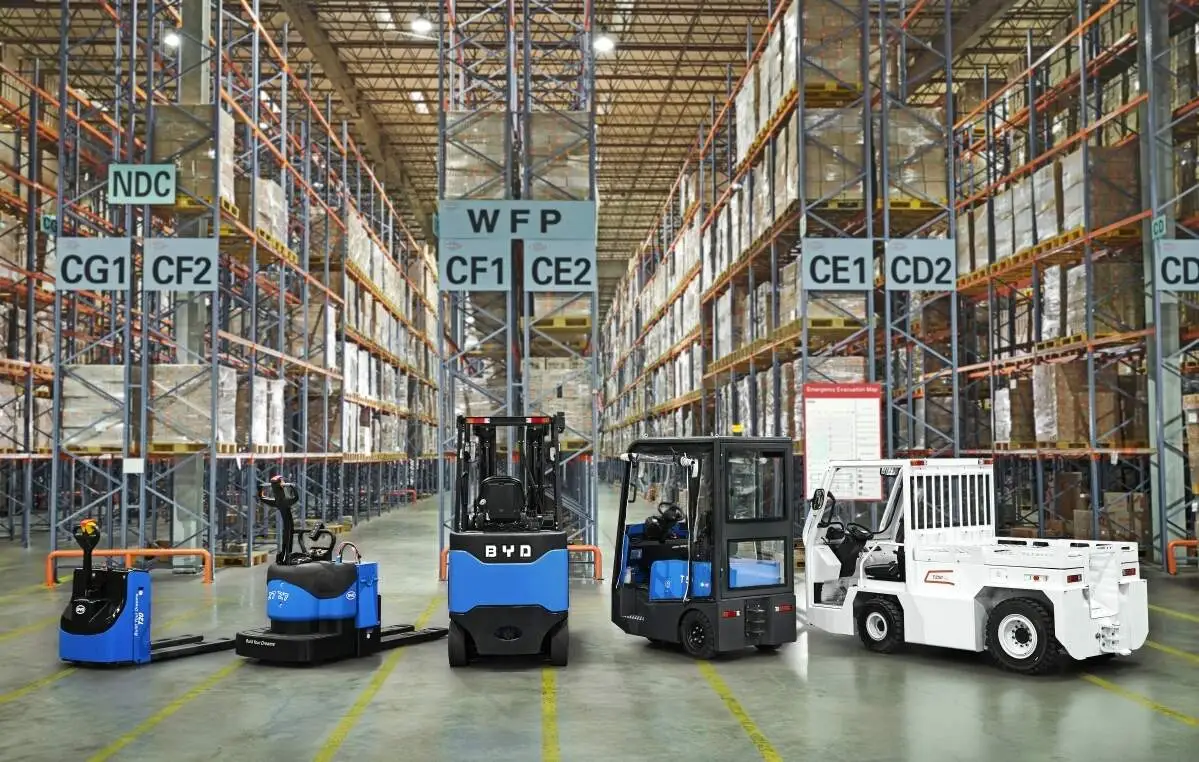
electric forklifts depend on stable power connections to operate efficiently, and battery connectors serve as the critical link between the battery pack and the vehicle’s electrical system. When these connectors wear out or get damaged, choosing the right replacement is key to maintaining consistent performance and safety in material handling tasks. Below are the most common types of replacement electric forklift battery connectors, each designed to meet specific operational needs.
Heavy-Duty Bolt-On Connectors are engineered for high-power, heavy-use scenarios. Made from corrosion-resistant copper alloy materials, they deliver exceptional electrical conductivity and durability. Their bolt-on installation creates a permanent, secure connection, making them ideal for forklifts that run continuously in demanding environments like construction sites or outdoor storage yards. This robust design can withstand frequent vibrations and heavy loads, reducing the risk of sudden power interruptions during critical operations.
Cam-Lock Connectors are favored for their quick, tool-free functionality. The cam mechanism allows operators to lock or unlock the connection with a simple twist, cutting down on downtime during battery swaps. These connectors often feature insulated housings to prevent accidental electrical contact, boosting operator safety. They are well-suited for indoor warehouses and distribution centers where frequent battery replacements are part of daily operations, helping to keep workflows efficient.
Pin-and-Sleeve Connectors prioritize safety with a keyed design that prevents incorrect mating, lowering the risk of short circuits or electrical damage. When disconnected, the sleeve covers the pins, protecting them from dust and moisture—making them a great choice for forklifts operating in humid or dusty settings. Their tight, secure fit ensures consistent power transfer, making them reliable for both indoor and outdoor material handling tasks.
Spring-Loaded Connectors are compact and resilient, using spring pressure to maintain a tight connection even during constant movement. This design makes them highly resistant to shock and vibration, perfect for forklifts that navigate uneven terrain or undergo frequent start-stop cycles. Their streamlined profile saves space in the battery compartment, making them ideal for smaller electric forklifts or pallet jacks where space is limited, while still delivering stable power.
Choosing the right replacement connector depends on factors like the forklift’s power requirements, operating environment, and how often batteries are swapped. Understanding the unique features of each type helps operators make informed decisions, ensuring their electric forklifts remain reliable, efficient, and safe. Regular inspection and timely replacement of worn connectors also play a vital role in avoiding unexpected downtime and sustaining optimal performance.