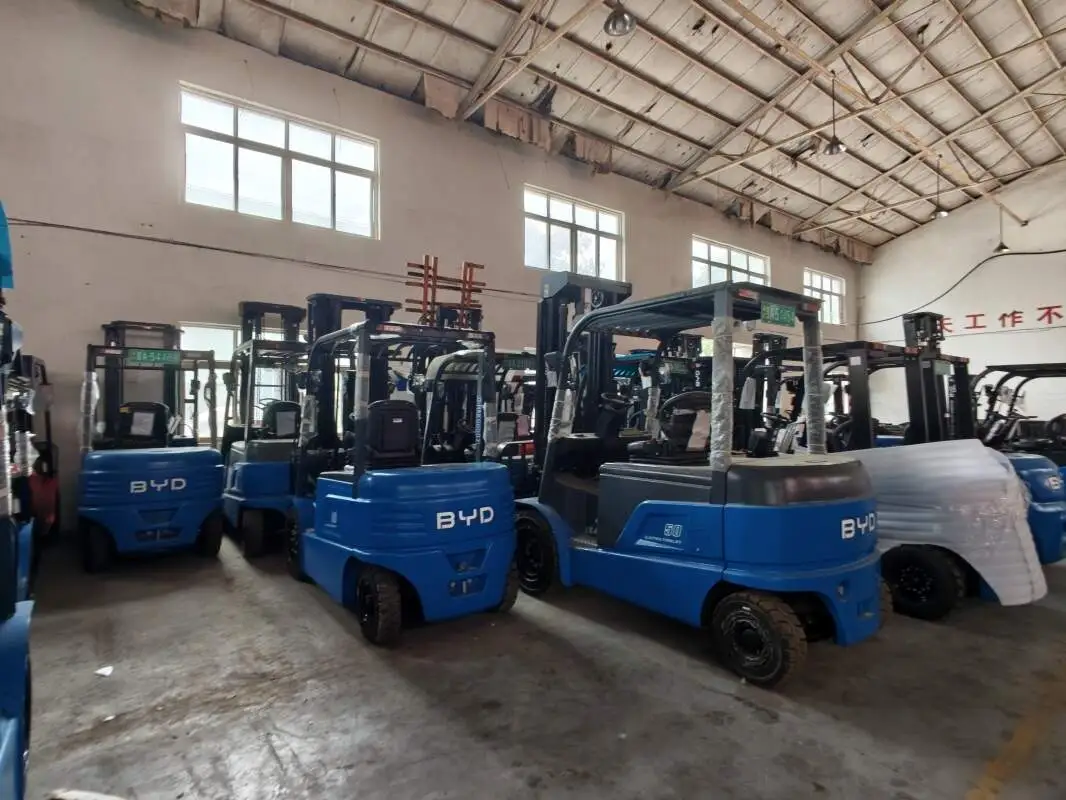
electric forklifts play a critical role in warehouse operations and material handling, where tire performance directly impacts operational safety and efficiency. Tire grooving, often overlooked, is a key maintenance task that deserves consistent attention to keep your electric forklift running smoothly.
Why Tire Grooving Maintenance Matters
Tire grooves are designed to enhance traction on wet or slippery surfaces by channeling water away from the tire-ground contact area. Over time, these grooves wear down, reducing the tire’s ability to grip the surface and increasing the risk of skidding. Proper grooving maintenance also helps dissipate heat generated during operation, preventing premature tire degradation and extending its overall lifespan. For electric forklifts, which often operate in repetitive, high-load scenarios, maintaining optimal groove depth is especially vital to avoid unexpected downtime.
Daily Inspection Practices
Regular inspections are the foundation of effective tire grooving maintenance. Start by checking the groove depth at least once a week or every 50 hours of operation, whichever comes first. Use a depth gauge to measure the remaining groove depth—if it falls below the recommended minimum (usually 1-2mm for most electric forklift tires), it’s time to consider re-grooving or tire replacement. Additionally, inspect the entire tire surface for embedded debris, cracks, or uneven wear patterns, as these issues can accelerate groove degradation and compromise tire integrity.
Step-by-Step Tire Grooving Maintenance
When performing tire grooving, follow these structured steps to ensure quality and safety:
1. Prepare the Necessary Tools: Gather a professional tire grooving machine, depth gauge, tire brush, and safety gear such as gloves and goggles.
2. Clean the Tire: Remove dirt, debris, and oil from the tire surface to ensure clear visibility of existing grooves and prevent contamination during the process.
3. Measure and Mark: Use the depth gauge to identify areas where grooves are worn down, and mark the desired groove depth and width according to the tire’s original specifications.
4. Perform Grooving: Operate the grooving machine carefully to cut new grooves or deepen existing ones, ensuring uniform depth and width across the tire surface. Avoid over-cutting, as this can weaken the tire structure.
5. Post-Maintenance Check: After grooving, inspect the tire again to confirm all grooves meet the required standards, and clean up any metal or rubber debris left from the process.
Key Precautions to Remember
Never attempt to groove a tire that has significant cracks, bulges, or structural damage—such tires should be replaced instead. Always follow the manufacturer’s recommended groove specifications, as improper grooving can affect tire balance and performance. If you’re unsure about performing grooving maintenance yourself, it’s advisable to consult a professional service provider.
At Jianshu New Energy, we specialize in electric forklift sales and maintenance services. Our team of experts can provide professional tire grooving maintenance to keep your electric forklift in top condition. For more information, feel free to contact us via email at 17399989919@163.com.