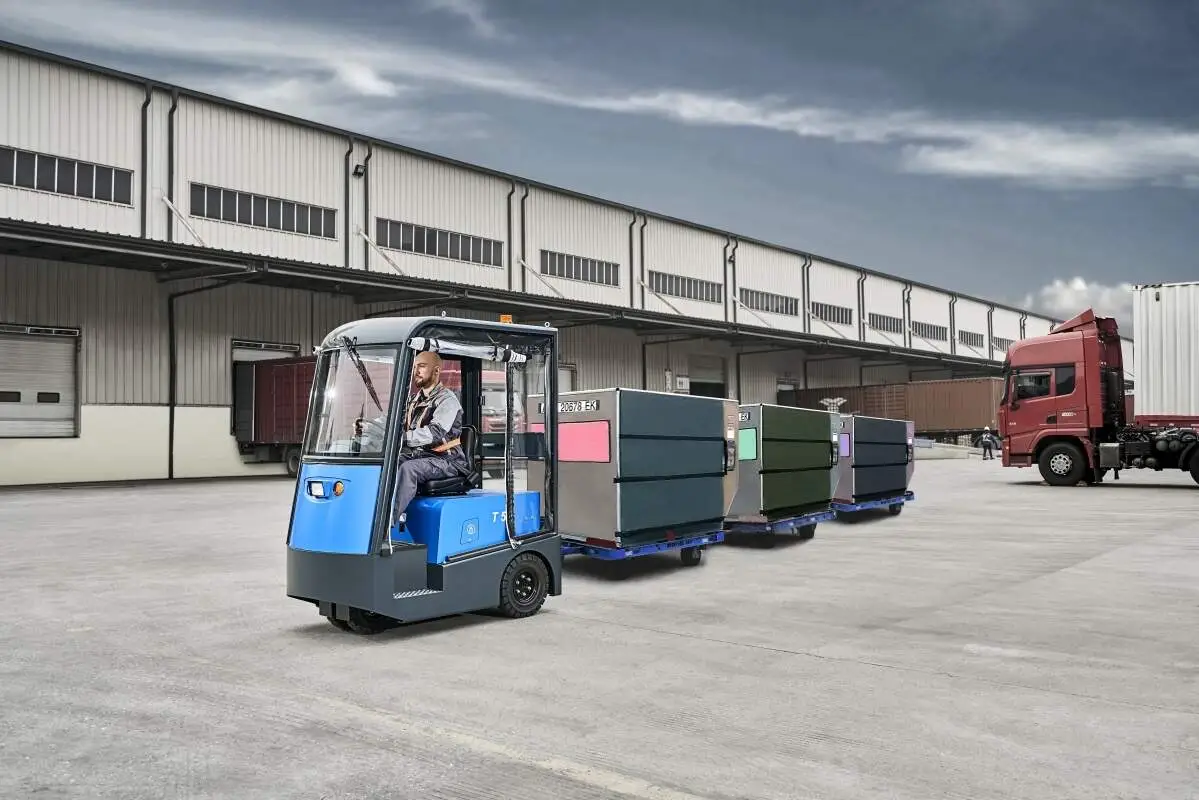
Industrial electric forklifts are essential assets for warehouses, manufacturing facilities, and distribution centers, streamlining material handling operations and boosting productivity. However, navigating their procurement can be challenging, with common pitfalls that lead to wasted resources, operational disruptions, and long-term financial strain. Below are key pitfalls to watch out for and actionable strategies to avoid them.
Ignoring Total Cost of Ownership (TCO)
Many buyers focus solely on the upfront purchase price, overlooking the total cost of ownership which includes charging infrastructure, maintenance, battery replacement, and energy costs. A lower initial price may lead to higher long-term expenses if the forklift has inefficient energy usage or requires frequent repairs.
Strategy: Calculate TCO by factoring in all ongoing costs over the forklift’s lifespan. Compare energy efficiency ratings, maintenance requirements, and battery lifespan across options to identify the most cost-effective choice in the long run.
Misaligning Forklift Specifications with Operational Needs
Choosing a forklift without assessing specific operational requirements is a common mistake. For example, a forklift designed for light-duty indoor use will struggle with heavy outdoor loads, leading to premature wear and safety risks.
Strategy: Conduct a thorough analysis of your workspace—including floor type, load capacity needs, lifting height, and operating environment (indoor vs. outdoor). Select a forklift that matches these requirements to ensure optimal performance and longevity.
Overlooking After-Sales Support
Forklifts require regular maintenance and occasional repairs. Lack of reliable after-sales support can result in extended downtime, delaying operations and increasing costs.
Strategy: Prioritize suppliers that offer comprehensive after-sales services, including routine maintenance, emergency repairs, and access to genuine parts. Inquire about response times for service calls and the availability of on-site support to minimize operational disruptions.
Neglecting Regulatory Compliance
Industrial electric forklifts must adhere to safety and environmental regulations specific to your region. Failing to comply can lead to fines, legal issues, and unsafe working conditions.
Strategy: Verify that the forklift meets all local safety standards and emissions regulations. Ensure that your team receives proper training on operating the forklift safely, as compliance also includes operator certification.
By avoiding these common procurement pitfalls, you can select an industrial electric forklift that aligns with your operational needs and delivers long-term value. If you’re looking for reliable electric forklift solutions, Jianshu New Energy specializes in BYD electric forklifts. For more information, reach out to us at 17399989919@163.com.