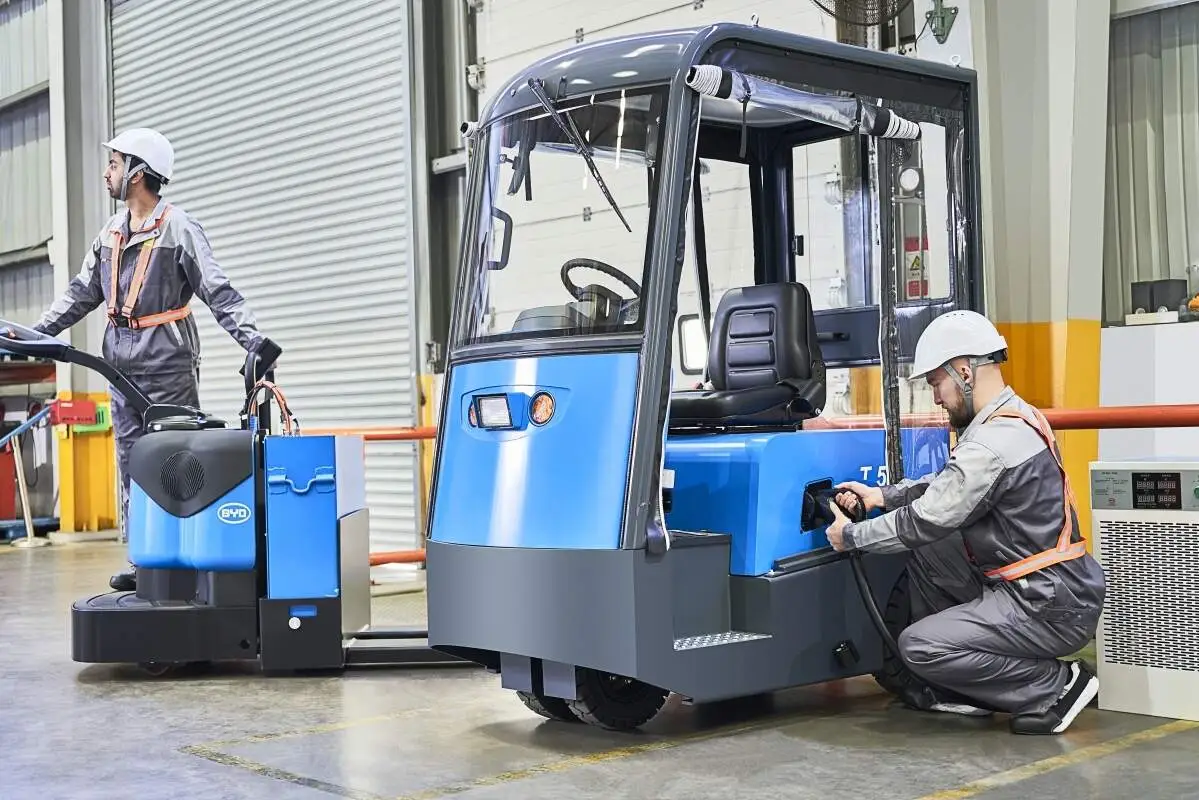
When operating large-capacity electric forklifts, understanding weight reference information is not just a matter of operational efficiency—it is a cornerstone of workplace safety. These heavy-duty machines are designed to handle substantial loads, but exceeding recommended weight limits can lead to equipment damage, accidents, and compliance issues. As an electric forklift expert, I’ll break down critical weight reference details that every operator and fleet manager should know.
First, it’s essential to distinguish between two core weight metrics: Gross Vehicle Weight (GVW) and rated load capacity. GVW refers to the total weight of the forklift itself plus the maximum load it can safely carry. Rated load capacity, on the other hand, is the maximum weight the forklift is engineered to lift and transport, specified by the manufacturer. For large-capacity models, these figures can vary significantly based on design, battery type, and attachment configurations. Operators must never assume a one-size-fits-all approach; always refer to the forklift’s official documentation for precise values.
Next, several key factors influence weight reference calculations. The position of the load is critical—loads positioned beyond the recommended load center distance can drastically reduce the forklift’s safe capacity, even if the load weight is within the rated limit. Battery weight also plays a role: large-capacity electric forklifts rely on heavy-duty batteries that contribute to the overall GVW, affecting stability during operation. Additionally, environmental conditions such as uneven terrain or slippery surfaces require operators to adjust load weights to maintain balance and control.
Ignoring weight reference guidelines can have severe consequences. Overloading a large-capacity electric forklift increases the risk of tip-overs, which are one of the leading causes of forklift-related accidents. It also puts excessive strain on components like the mast, hydraulics, and tires, leading to premature wear and costly repairs. Furthermore, non-compliance with weight regulations can result in fines and penalties from workplace safety authorities. Regular training for operators on weight reference principles is crucial to mitigate these risks.
When investing in large-capacity electric forklifts, partnering with a trusted supplier is key. Jianshu New Energy specializes in BYD electric forklifts, offering expert guidance on weight reference specifications tailored to your operational needs. Our team can help you select the right model based on your typical load sizes, workspace conditions, and safety requirements. For more information or to consult with our experts, reach out to us at 17399989919@163.com.
In summary, weight reference information is indispensable for the safe and efficient operation of large-capacity electric forklifts. By understanding key metrics, considering influencing factors, and adhering to guidelines, you can protect your workforce, extend equipment lifespan, and ensure compliance. Remember, when in doubt, consult your forklift’s documentation or a trusted supplier like Jianshu New Energy for professional advice.