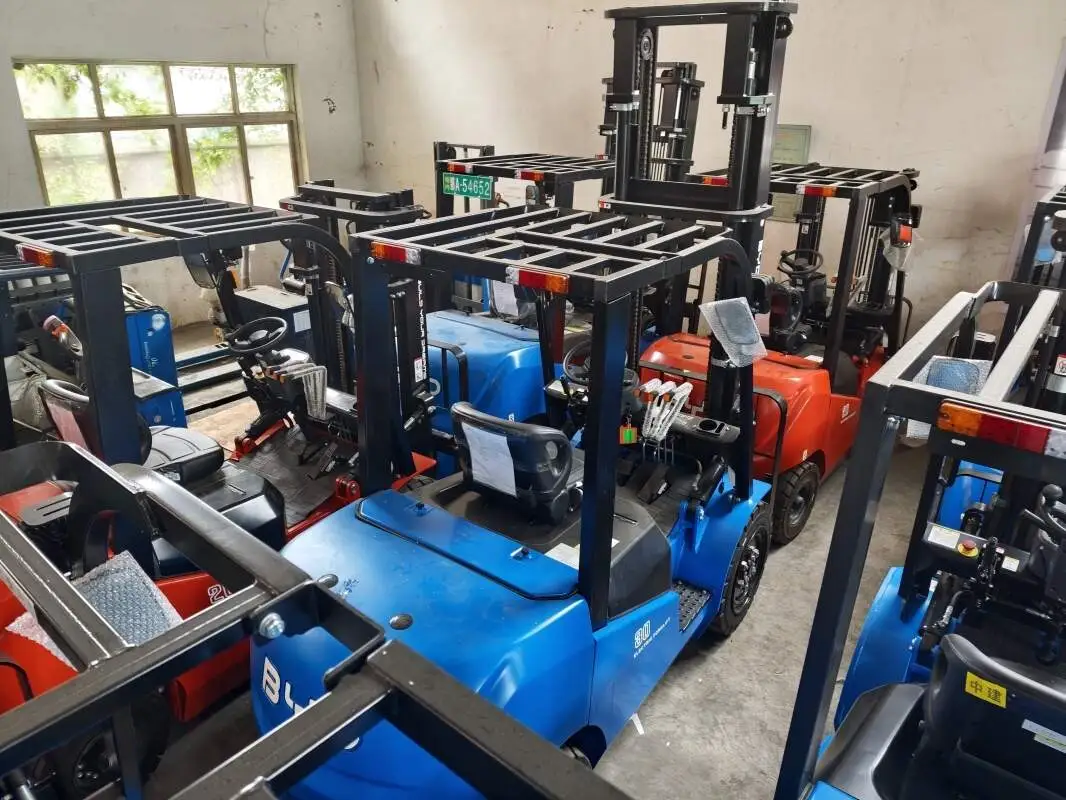
As electric forklifts become increasingly integral to warehouse and logistics operations, managing battery degradation is a key concern for operational efficiency and cost control. Uncontrolled degradation can shorten battery lifespan, increase replacement costs, and disrupt daily workflows. Below are practical, compliant measures to slow this process without relying on unproven or exaggerated solutions.
Adhere to Proper Charging Protocols
Charging practices are among the most influential factors in battery health. First, avoid overcharging batteries, as prolonged exposure to full charge levels can accelerate chemical breakdown in battery cells. Most modern charging systems include automatic shut-off features, but it’s still important to disconnect batteries once fully charged instead of leaving them connected to power sources indefinitely. Conversely, avoid deep discharging batteries below recommended levels—typically around 20% of remaining capacity—repeated deep discharge can strain cells and reduce long-term performance.
Additionally, prioritize slow, steady charging over frequent rapid charging when possible. Rapid charging generates more heat, which can degrade internal components over time. Ensure you use chargers specifically matched to your battery type, as mismatched chargers can deliver incorrect voltage or current, causing unnecessary stress. Finally, charge batteries in a well-ventilated area with a stable temperature, ideally between 10°C and 30°C, to prevent heat buildup during the charging process.
Implement Routine Maintenance Checks
Consistent, proactive maintenance can identify small issues before they escalate into major problems that accelerate degradation. Start by regularly cleaning battery terminals to remove corrosion, which can impede electrical flow and cause inefficient charging. Use a soft brush and a mild cleaning solution to gently scrub terminals, then dry them thoroughly to prevent moisture-related damage.
For wet-cell batteries, periodically check electrolyte levels to ensure they remain within the manufacturer’s recommended range. Low electrolyte levels can expose plate surfaces, leading to sulfation and reduced capacity. If levels are low, add distilled water only—avoid tap water, which contains minerals that can damage cells. Additionally, conduct monthly voltage tests to monitor battery performance; a significant drop in voltage between tests may indicate early signs of degradation that require further inspection.
Optimize Operational Practices
How you operate an electric forklift directly impacts battery longevity. Avoid aggressive driving behaviors such as sudden acceleration or hard braking, which can cause excessive current draw and strain the battery. Instead, maintain steady speeds and plan routes to minimize unnecessary stops and starts.
Avoid overloading the forklift beyond its rated capacity, as excessive weight increases the battery’s workload and leads to faster energy depletion and heat generation. When not in use, turn off the forklift instead of leaving it idle with accessories running, as continuous power drain can shorten battery life. If the forklift will be unused for an extended period, store the battery at around 50% capacity in a cool, dry location, and recharge it to 80% every few weeks to prevent self-discharge-related degradation.
Control Operating Environment Conditions
Extreme temperatures and harsh environmental conditions can significantly accelerate battery degradation. Avoid operating or storing forklift batteries in areas with temperatures below 0°C or above 40°C, as extreme cold reduces battery capacity and extreme heat causes rapid chemical breakdown.
Keep batteries away from corrosive substances, such as acids or industrial chemicals, which can damage battery casings and internal components. Ensure storage areas are clean and dry, as moisture can lead to corrosion and electrical short circuits. If working in dusty environments, regularly clean battery surfaces to prevent dust buildup, which can trap heat and hinder ventilation.
By following these practical, evidence-based measures, operators can effectively slow electric forklift battery degradation, extend battery lifespan, and maintain consistent operational performance over time.