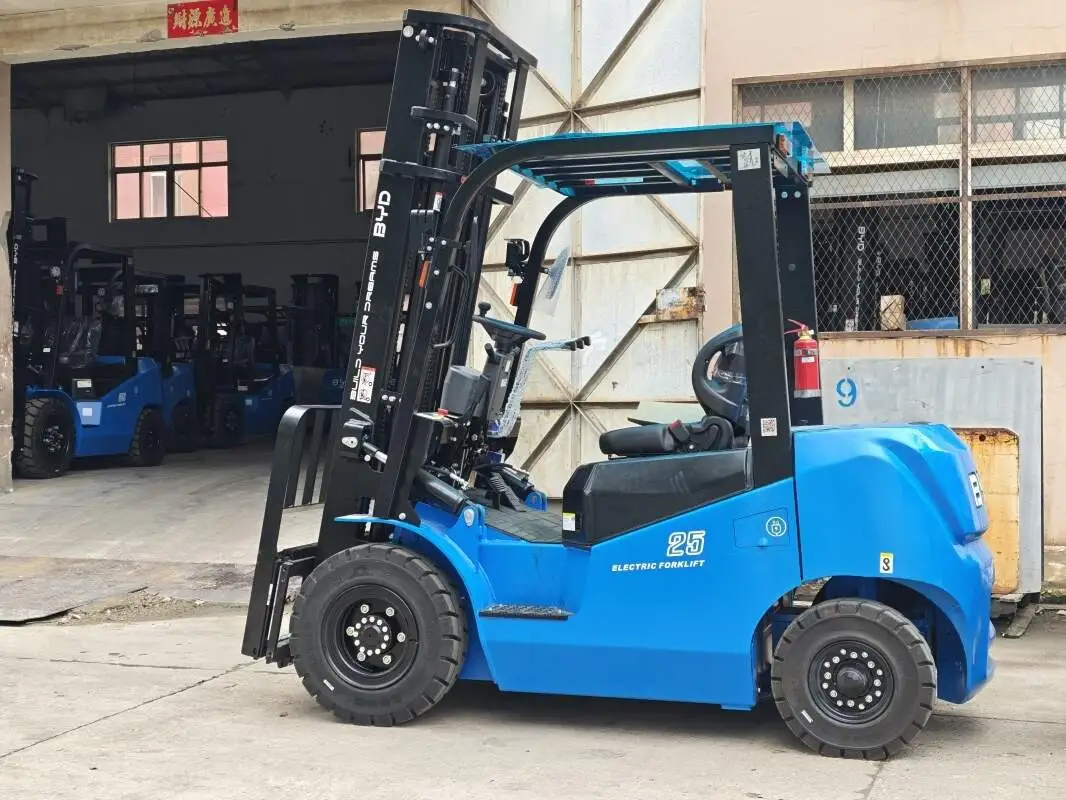
Industrial forklift tines are critical components responsible for lifting and transporting heavy loads across warehouses, manufacturing plants, and logistics hubs. Their performance, safety, and lifespan are directly tied to the material specifications of the steel used in production, making it essential to understand these details for optimal operational outcomes.
Steel grades form the foundation of forklift tine performance. Common options include low-carbon steels, medium-carbon steels, and high-strength alloy steels. Low-carbon steels offer excellent formability and weldability, making them suitable for light-duty applications where loads are relatively small and handling is less frequent. Medium-carbon steels strike a balanced blend of strength and ductility, ideal for moderate-duty tasks involving regular load movement. High-strength alloy steels, infused with elements like manganese, chromium, and nickel, deliver exceptional tensile and yield strength, making them the go-to choice for heavy-duty operations with consistent heavy load lifting demands.
Key mechanical properties are non-negotiable metrics for forklift tine steel. Tensile strength, measuring the maximum stress the steel can withstand before fracture, typically ranges from 450 MPa to 1000 MPa depending on the grade. Yield strength, which indicates the stress level at which permanent deformation begins, is critical to prevent tine bending under load. Hardness, often assessed via Brinell or Rockwell scales, ensures resistance to wear and abrasion from constant contact with pallets and heavy materials. Impact resistance is also vital, particularly in cold environments, to avoid brittle fracture when tines encounter sudden shocks or impacts.
Beyond raw material grades and mechanical properties, forklift tine steel must meet specific processing requirements. Formability is essential to shape the steel into the desired tine profile without cracking or excessive deformation. Weldability is another key factor, as many tines are fabricated by welding steel components together. Steel grades with controlled carbon content and alloy additions are preferred to maintain structural integrity during welding. Additionally, heat treatment processes like quenching and tempering may be applied to enhance the steel’s strength and toughness, tailoring it to specific operational conditions such as high-load or low-temperature environments.
When selecting steel for forklift tines, operators must consider factors such as the forklift’s maximum load capacity, frequency of heavy load lifting, operating environment, and maintenance needs. Light-duty forklifts used in retail warehouses may benefit from medium-carbon steels, while heavy-duty models in construction or port settings require high-strength alloy steels. Cold storage facilities demand steels with superior impact resistance to withstand low temperatures without becoming brittle. Adhering to material specifications and conducting regular inspections ensure tines remain safe and perform optimally throughout their service life.