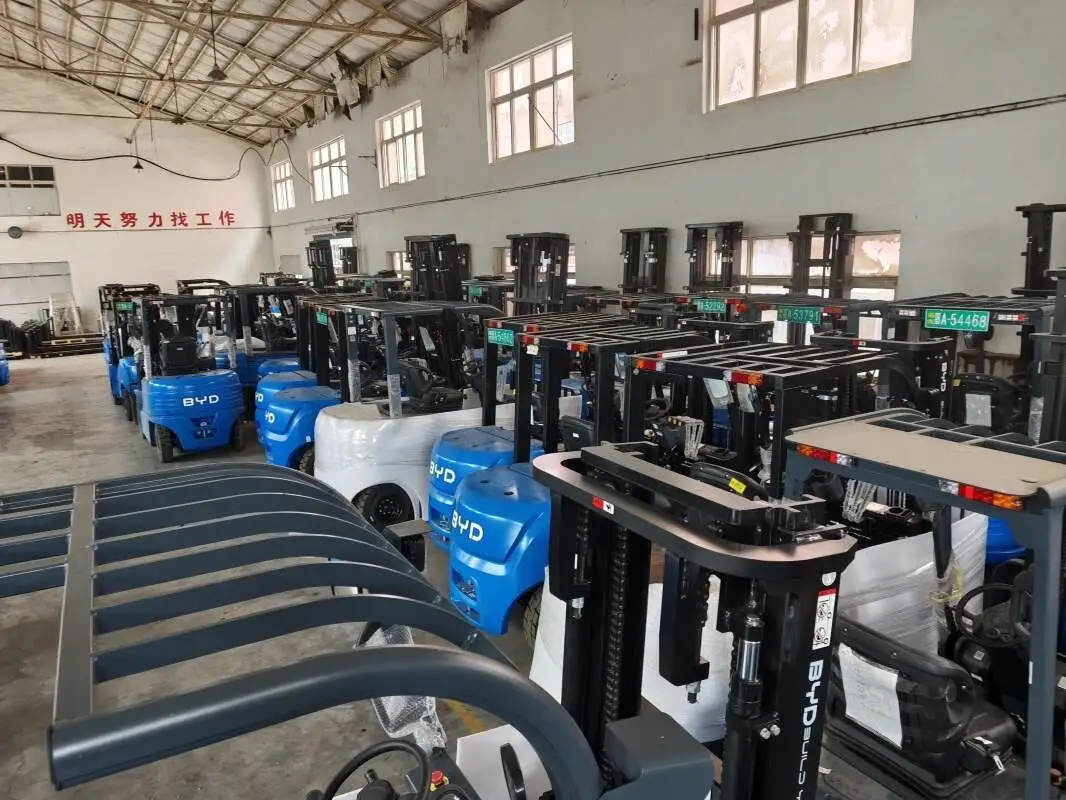
Moving cradle belt forklift attachments are specialized tools designed to help electric forklifts safely and efficiently handle irregularly shaped or delicate loads that require gentle support. Proper application of these attachments not only enhances material handling productivity but also reduces the risk of load damage and workplace accidents. Below is a comprehensive guide to the correct application methods for these attachments on electric forklifts.
Before using a moving cradle belt attachment, operators must conduct a series of pre-operation checks to ensure both the attachment and the electric forklift are in optimal condition. First, inspect the cradle belt for signs of wear, fraying, or damage—any compromised sections can lead to load failure during transport. Next, examine the attachment’s connection points, including pins and brackets, to ensure they are tight and free of corrosion. Operators should also verify that the electric forklift’s hydraulic system is functioning correctly, as this powers the attachment’s adjustment mechanisms. Additionally, confirm that the attachment is compatible with the forklift’s load capacity to avoid overloading, which can cause instability or equipment damage.
Once pre-operation checks are complete, follow these steps to install the attachment securely. Start by positioning the electric forklift in a flat, stable area with sufficient space to maneuver. Lower the forklift’s carriage to the lowest position and align the attachment’s mounting brackets with the carriage’s attachment points. Slowly engage the forklift’s hydraulic system to lock the attachment into place, ensuring all locking pins are fully inserted and secured. After installation, test the attachment’s movement by raising and lowering it, as well as adjusting the cradle belt tension, to confirm it operates smoothly without any jams or delays. Operators should never attempt to install or remove the attachment while the forklift is running or when there is a load on the forks.
When using the moving cradle belt attachment to handle loads, proper load securing is critical. Begin by positioning the forklift near the load, ensuring there is enough clearance to approach it safely. Adjust the cradle belt’s width to match the dimensions of the load, providing even support across its surface. Carefully lower the attachment onto the load, making sure the belt wraps around the load securely without applying excessive pressure that could damage delicate items. Once the load is secured, slowly raise the attachment to a safe transport height, keeping the load level to prevent shifting. During transport, maintain a slow, steady speed and avoid sudden turns or stops, which can cause the load to slide or tip. When placing the load, lower it gently to the desired location and release the cradle belt tension before retracting the attachment.
After completing material handling tasks, proper maintenance of the moving cradle belt attachment is essential to extend its lifespan and ensure future reliability. Start by cleaning the attachment to remove any dirt, debris, or residue from the load or work environment. Inspect the cradle belt and connection points again for any signs of damage that may have occurred during use. Lubricate moving parts, such as hinges and adjustment mechanisms, to prevent friction and wear. Store the attachment in a dry, covered area to protect it from environmental elements like rain or extreme temperatures. Operators should also document any inspections or maintenance activities to track the attachment’s condition over time.
By following these structured application methods, operators can maximize the effectiveness of moving cradle belt forklift attachments on electric forklifts, ensuring safe, efficient, and damage-free material handling in a wide range of workplace settings.