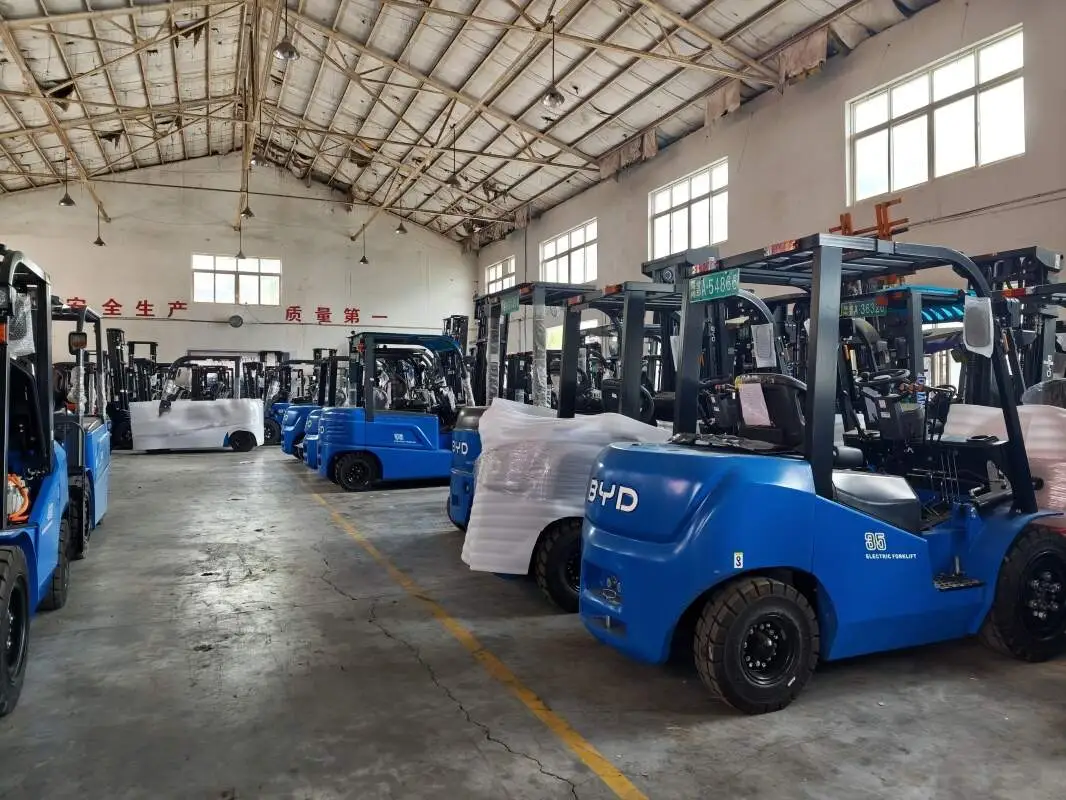
When evaluating industrial forklift equipment for warehouse or material handling operations, cost is often the primary factor guiding business decisions. Understanding the full spectrum of expenses associated with new and used forklifts helps organizations make informed choices that align with their budget and long-term operational goals.
Upfront costs represent the most visible difference between new and used industrial forklifts. New models typically carry a higher initial price tag, reflecting the latest technology, unused components, and manufacturer warranties that cover repairs and parts for the first few years of operation. For businesses with ample capital and a focus on reliability, this upfront investment can provide peace of mind and minimize unexpected early-stage expenses. In contrast, used forklifts offer a significantly lower initial cost, making them an attractive option for small businesses or those with short-term project needs. However, buyers must conduct thorough inspections to identify hidden issues like worn-out tires, faulty hydraulic systems, or outdated safety features that could lead to costly repairs down the line.
Maintenance and repair expenses further differentiate the two options. New forklifts generally require minimal maintenance during their first three to five years, with routine tasks like oil changes and filter replacements being the primary costs. Many manufacturers include scheduled maintenance in their warranty packages, reducing out-of-pocket expenses. Used forklifts, on the other hand, often have higher maintenance needs due to extended wear and tear. Older models may require frequent part replacements, such as brake pads, batteries, or engine components, which can add up over time. Additionally, used equipment may lack access to manufacturer support, forcing businesses to rely on third-party service providers that might charge premium rates for specialized repairs.
Lifespan and resale value play critical roles in long-term cost calculations. A well-maintained new industrial forklift can have a lifespan of 10 to 15 years, depending on usage intensity. As the equipment ages, its resale value depreciates gradually, with the steepest drop occurring in the first two to three years. For businesses that plan to replace equipment every few years, this rapid depreciation can be a drawback, but those holding onto the forklift long-term will benefit from extended productive use. Used forklifts, by contrast, have a shorter remaining lifespan—usually 5 to 10 years, based on their prior usage. While their depreciation rate is slower, their final resale value is typically much lower than that of a new model, as most of the asset’s value has already been realized by the previous owner.
Operational efficiency is another cost factor that should not be overlooked. New forklifts often incorporate energy-efficient technologies, such as advanced battery systems for electric models or fuel-efficient engines for internal combustion variants. These features reduce energy or fuel costs over time and boost productivity through faster lifting speeds and improved maneuverability. Used forklifts, especially older models, may have higher energy consumption and slower operation, leading to increased operational costs and reduced output. Frequent breakdowns in used equipment can also cause downtime, disrupting workflow and resulting in lost revenue.
When considering the total cost of ownership (TCO), businesses must weigh all these factors together. While used forklifts have a lower upfront cost, their higher maintenance expenses, shorter lifespan, and lower operational efficiency can make them more expensive over time. New forklifts, despite their higher initial price, often offer lower long-term costs due to reduced maintenance, extended lifespan, and improved efficiency. Ultimately, the best choice depends on a business’s specific needs: short-term projects or tight budgets may favor used equipment, while long-term operational reliability and efficiency make new forklifts a more cost-effective investment.