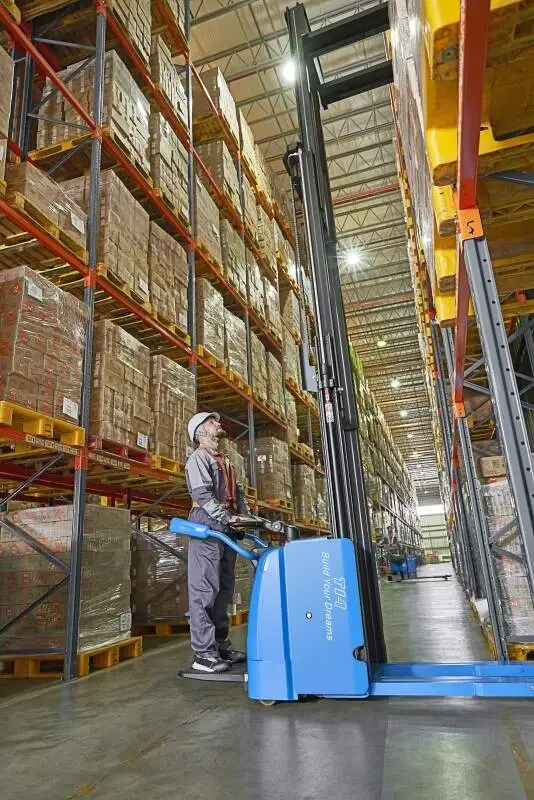
forklift man baskets are essential tools for performing elevated tasks across warehouses, construction sites, and manufacturing facilities, but their improper use can lead to severe fall-related injuries or fatalities. To address these risks, the Occupational Safety and Health Administration (OSHA) has established comprehensive standards governing forklift man basket operations, designed to protect workers and ensure regulatory compliance.
Training Requirements
OSHA mandates that all personnel involved in forklift man basket operations—including forklift operators and workers utilizing the basket—must complete formal, instructor-led training. This training covers critical topics such as forklift stability principles, man basket load capacity limits, proper attachment techniques, emergency shutdown procedures, and hazard recognition (e.g., overhead power lines, uneven terrain). Workers must demonstrate hands-on proficiency in these skills before performing any elevated tasks, and refresher training is required every three years or following an accident, near-miss, or change in equipment or work conditions.
Pre-Operation Equipment Inspection
Before each use, a thorough pre-operation inspection is required to identify potential equipment failures. OSHA standards dictate that operators must check the man basket for structural damage, including cracks, bent frames, worn welds, or damaged handrails. The attachment mechanism connecting the basket to the forklift must be inspected for tightness, corrosion, or compatibility with the specific forklift model. Additionally, operators must verify that the forklift’s stability features—such as its counterweight, tires, and braking system—are in good working condition to prevent tipping during elevated operations. Any damaged components must be repaired or replaced before the equipment is used.
Safe Operation Practices
During active operations, OSHA outlines strict guidelines to maintain worker safety. The forklift must be positioned on a flat, stable surface with the parking brake fully engaged. The man basket should be securely attached to the forklift’s forks or designated attachment point, and workers inside must wear a full-body harness tied off to a secure anchor point independent of the forklift. Operators must avoid sudden accelerations, sharp turns, or driving at excessive speeds while the basket is elevated, and never raise the basket while the forklift is moving. It is also prohibited to use the basket in adverse weather conditions like high winds or heavy rain, which can compromise stability and increase fall risks.
Emergency Protocols
OSHA requires workplaces to establish clear emergency procedures for forklift man basket operations. In the event of a forklift malfunction, power outage, or fall hazard, operators must know how to safely lower the basket to the ground using manual override systems if available. Workers in the basket should be trained to communicate effectively with the operator using standardized hand signals, and to stay calm during emergency situations. Regular emergency drills help ensure that all personnel are prepared to respond appropriately, minimizing the risk of injury.
Adhering to these OSHA standards is not just a legal obligation—it is a critical investment in worker safety. By prioritizing proper training, regular equipment inspections, and safe operational practices, employers can reduce the risk of workplace accidents and avoid costly penalties for non-compliance.