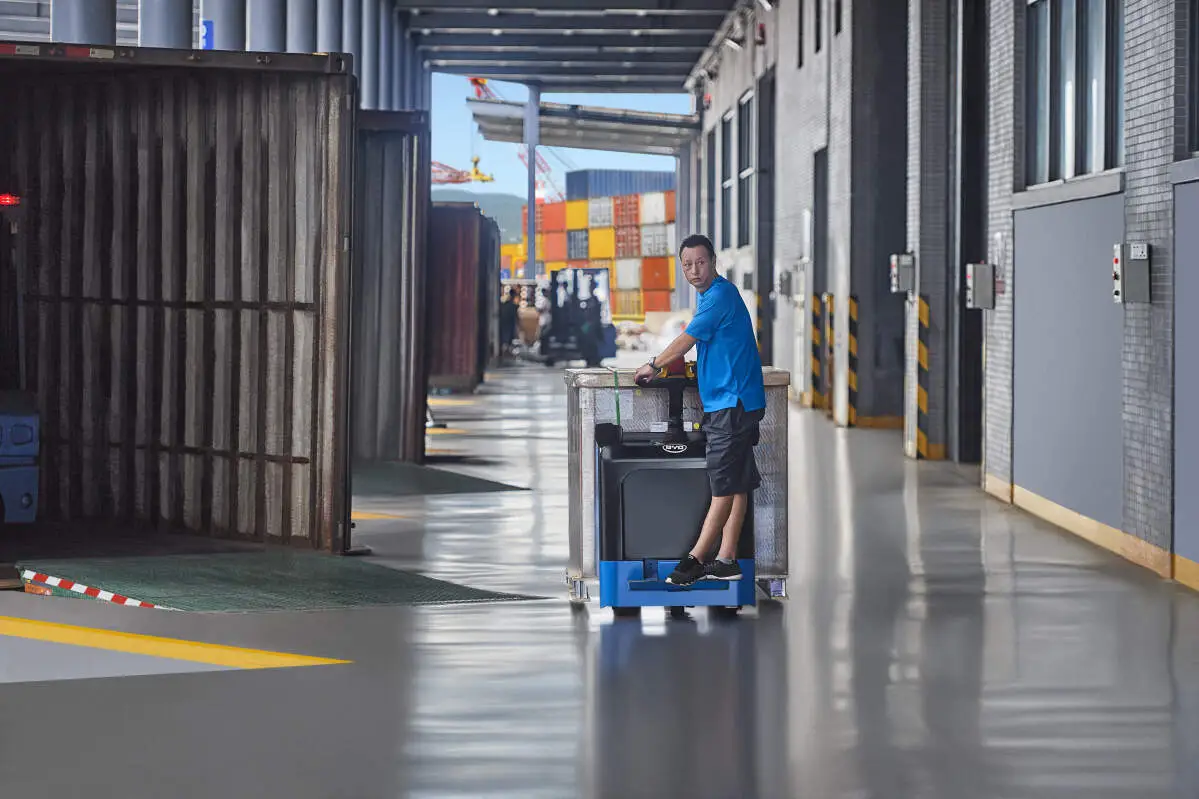
Transporting oversized cargo presents unique challenges in industrial and logistics settings, requiring equipment that combines robust lifting power, stability, and maneuverability. Heavy-duty forklifts are designed to meet these demands, offering a range of options tailored to different cargo types and work environments. Understanding the available choices is critical to ensuring safe, efficient, and cost-effective heavy load handling.
One of the most common heavy-duty forklift options is the internal combustion (IC) powered model. These forklifts are equipped with powerful engines that deliver high load capacities, typically ranging from 10 to 50 tons, making them ideal for outdoor applications where oversized cargo such as construction materials, industrial machinery, or shipping containers needs to be moved. IC forklifts thrive in rugged environments, as they can operate on uneven terrain and are not limited by battery life, allowing for extended work hours. However, they produce emissions, so they are less suitable for indoor or enclosed spaces with poor ventilation.
For indoor operations or environments prioritizing sustainability, electric heavy-duty forklifts are a viable alternative. Powered by advanced battery systems, these forklifts offer quiet operation and zero emissions, making them suitable for warehouses, manufacturing facilities, and indoor logistics hubs. While their load capacities can match many IC models, ranging from 8 to 40 tons, they require regular charging and may have limited runtime compared to IC counterparts. electric forklifts also provide smoother handling, which is beneficial when navigating tight spaces with oversized cargo that demands precise movement.
Another specialized option is the telehandler, or telescopic handler forklift. This type of forklift features an extendable boom that can reach both vertically and horizontally, making it ideal for lifting oversized cargo to high heights or accessing hard-to-reach areas, such as loading cargo onto the upper levels of trucks or stacking materials in outdoor storage yards. Telehandlers offer versatile attachments, including forks, buckets, and lifting hooks, allowing them to handle a wide variety of oversized cargo types, from long steel beams to large industrial components. Their ability to adapt to different tasks makes them a valuable asset for construction sites and multi-purpose logistics operations.
When selecting a heavy-duty forklift for oversized cargo transportation, several key factors must be considered. First, assess the maximum load capacity required to handle the heaviest cargo items regularly. It is essential to choose a forklift with a load capacity that exceeds the average weight of the cargo to ensure safety and stability. Second, evaluate the operating environment: indoor spaces may require electric models, while outdoor rugged terrain may call for IC-powered or telehandler options. Third, consider the required lift height and reach, especially if cargo needs to be stacked or loaded onto elevated surfaces. Finally, factor in maintenance requirements and operational costs, as different forklift types have varying service needs and fuel or energy expenses.
By carefully evaluating these factors and understanding the capabilities of each heavy-duty forklift option, businesses can select the right equipment to streamline their oversized cargo transportation processes. Investing in the appropriate forklift not only ensures the safety of workers and cargo but also enhances operational efficiency, reducing downtime and improving overall productivity in industrial and logistics operations.