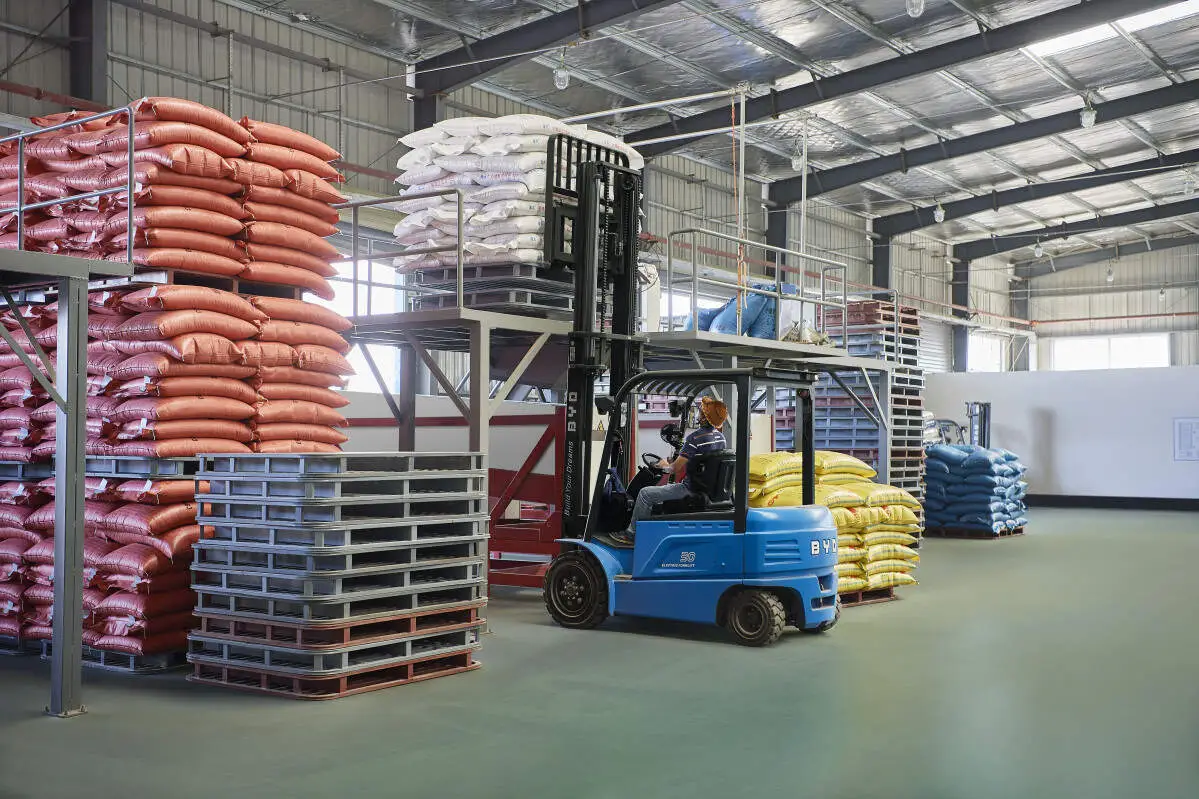
For businesses relying on material handling operations, long-term electric forklift rental is a cost-effective alternative to purchasing, but unmanaged expenses can erode these benefits. Implementing targeted strategies to control costs ensures you maximize value without compromising operational reliability.
Negotiate Flexible Contract Terms
When entering a long-term rental agreement, focus on flexible terms that align with your operational needs. Avoid locking into rigid monthly rates without provisions for adjusting the number of forklifts as your inventory or order volume fluctuates. Negotiate clauses that allow for temporary downsizing during slow seasons, which directly reduces monthly rental charges. Additionally, clarify cost structures for additional services like emergency repairs or replacement units to avoid unexpected fees. Request transparent billing breakdowns that separate rental costs from maintenance and service charges, making it easier to track and manage expenses over time.
Prioritize Proactive Maintenance
Proactive maintenance is critical to avoiding costly repairs and downtime in long-term forklift rentals. Work with your rental provider to establish a regular maintenance schedule that includes battery checks, tire inspections, and component lubrication. By addressing minor issues early, you prevent them from escalating into major repairs that can incur high service fees and disrupt operations. Many rental agreements include basic maintenance, but verify what is covered and consider adding extended maintenance plans if they offer long-term cost savings. Train your team to perform daily pre-operation checks, such as inspecting brakes and battery levels, to identify potential problems before they lead to expensive repairs.
Optimize Forklift Usage Patterns
Analyzing and optimizing forklift usage can significantly reduce long-term rental expenses. Track how each forklift is used throughout the day to identify inefficiencies, such as idle time or overuse of specific units. Implement a scheduling system that matches forklift capacity to task requirements—using a smaller forklift for light loads instead of a larger, more expensive unit can lower overall rental costs. Encourage operators to follow efficient routes within your warehouse or facility to minimize unnecessary travel, which reduces battery wear and extends the lifespan of rental equipment. Additionally, consider sharing forklifts between shifts if operations allow, eliminating the need to rent extra units.
Regularly Review Rental Agreements and Performance
Cost control is an ongoing process, so schedule regular reviews of your rental agreement and equipment performance. Every quarter, compare actual expenses against your budget to identify discrepancies or unexpected costs. Assess whether the number of rented forklifts still meets your operational needs—if you consistently have unused units, negotiate a reduction with your provider. Evaluate the reliability of the rental equipment; frequent breakdowns may indicate the need to switch to better-maintained units or adjust your maintenance plan. Use these reviews to renegotiate terms as your business evolves, ensuring your rental agreement continues to offer the best possible value.
Invest in Operator Training
Well-trained operators not only enhance safety but also contribute to cost control in long-term forklift rentals. Proper training reduces the risk of equipment damage caused by improper operation, which can lead to repair fees or early termination charges. Operators who understand how to handle electric forklifts correctly—including proper battery charging and load handling—can extend the equipment’s lifespan and reduce maintenance needs. Many rental providers offer basic training programs, so take advantage of these resources or invest in third-party training to ensure your team operates the equipment efficiently and safely.
By implementing these practical methods, businesses can effectively control expenses on long-term electric forklift rental, ensuring a balance between cost savings and operational efficiency.