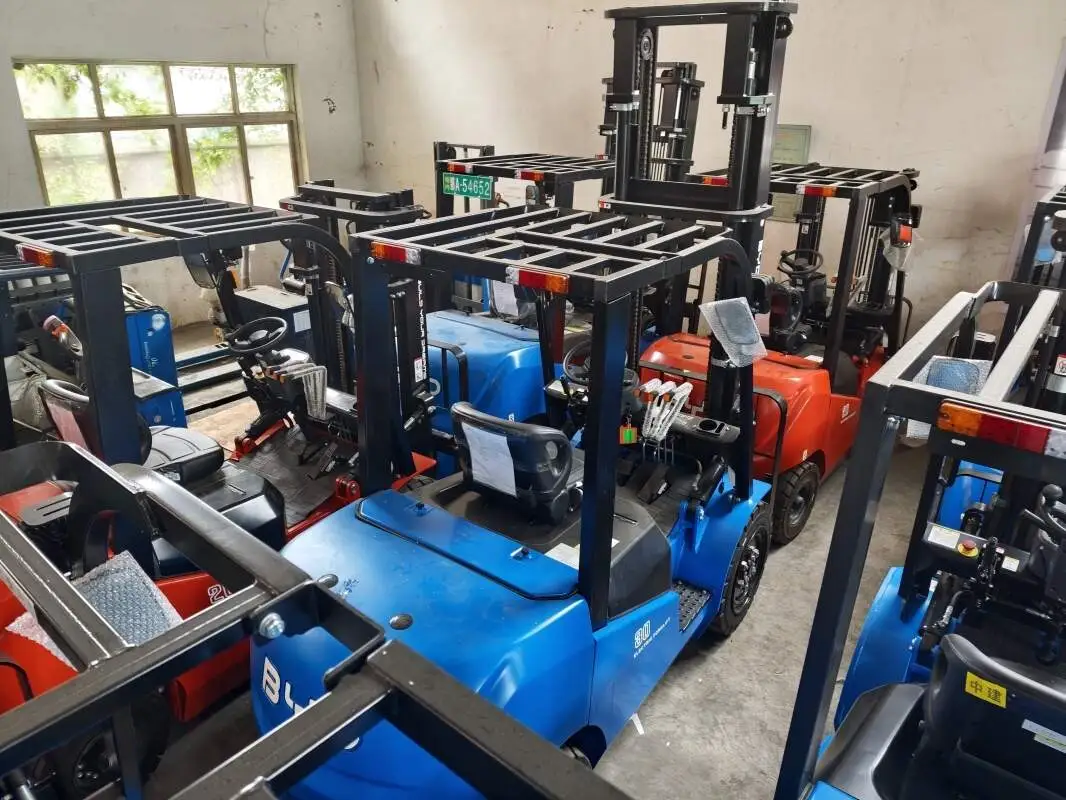
Industrial forklifts are workhorses in warehouses, manufacturing facilities, and construction sites, handling heavy loads and streamlining material operations. However, their operation comes with inherent risks, from tip-overs to falling debris, which can threaten operator safety. Two critical safety components designed to mitigate these risks are Rollover Protective Structures (ROPS) and Falling Object Protective Structures (FOPS). These structures are not optional add-ons but essential safeguards that adhere to global safety standards, prioritizing operator well-being in high-risk work environments.
Rollover Protective Structures, or ROPS, are engineered to create a protective zone around the forklift operator in the event of a tip-over. When a forklift loses stability—often due to uneven terrain, overloading, or abrupt maneuvers—the ROPS absorbs and dissipates the impact force, preventing the vehicle’s weight from crushing the operator compartment. Designed to meet stringent structural integrity standards, ROPS are typically constructed from high-strength steel or reinforced materials, capable of withstanding the full weight of the forklift during a rollover. Regular inspections are crucial to ensure ROPS remain free from cracks, dents, or corrosion, as damaged structures may fail to perform their protective function when needed most.
Falling Object Protective Structures, or FOPS, complement ROPS by safeguarding operators from overhead hazards. In environments where pallets, tools, or heavy materials may fall from shelves or elevated work areas, FOPS forms a robust barrier between the operator and potential impacts. These structures are tested to resist both direct falls of heavy objects and glancing blows, ensuring that debris does not penetrate the operator’s compartment. Like ROPS, FOPS must meet industry-specific safety standards, with designs tailored to the size and load capacity of the forklift. Operators should avoid modifying FOPS by adding attachments or removing components, as this can compromise its protective capabilities.
Compliance with safety standards is non-negotiable when it comes to ROPS and FOPS. Regulatory bodies worldwide mandate that industrial forklifts be equipped with these structures, with regular audits to ensure ongoing adherence. Beyond initial installation, routine maintenance plays a key role in preserving their effectiveness. This includes visual inspections before each shift to check for structural damage, cleaning to prevent corrosion, and professional repairs if any issues are detected. Training operators to recognize the importance of these structures and report any damage promptly is also a critical part of a comprehensive forklift safety program.
In conclusion, ROPS and FOPS are foundational to industrial forklift safety, addressing two of the most common hazards in material handling operations. By investing in properly designed, maintained, and inspected protective structures, businesses can reduce the risk of workplace accidents, protect their employees, and maintain compliance with global safety regulations. As the demand for efficient material handling continues to grow, prioritizing operator safety through robust protective systems remains a top priority for every industrial facility.